
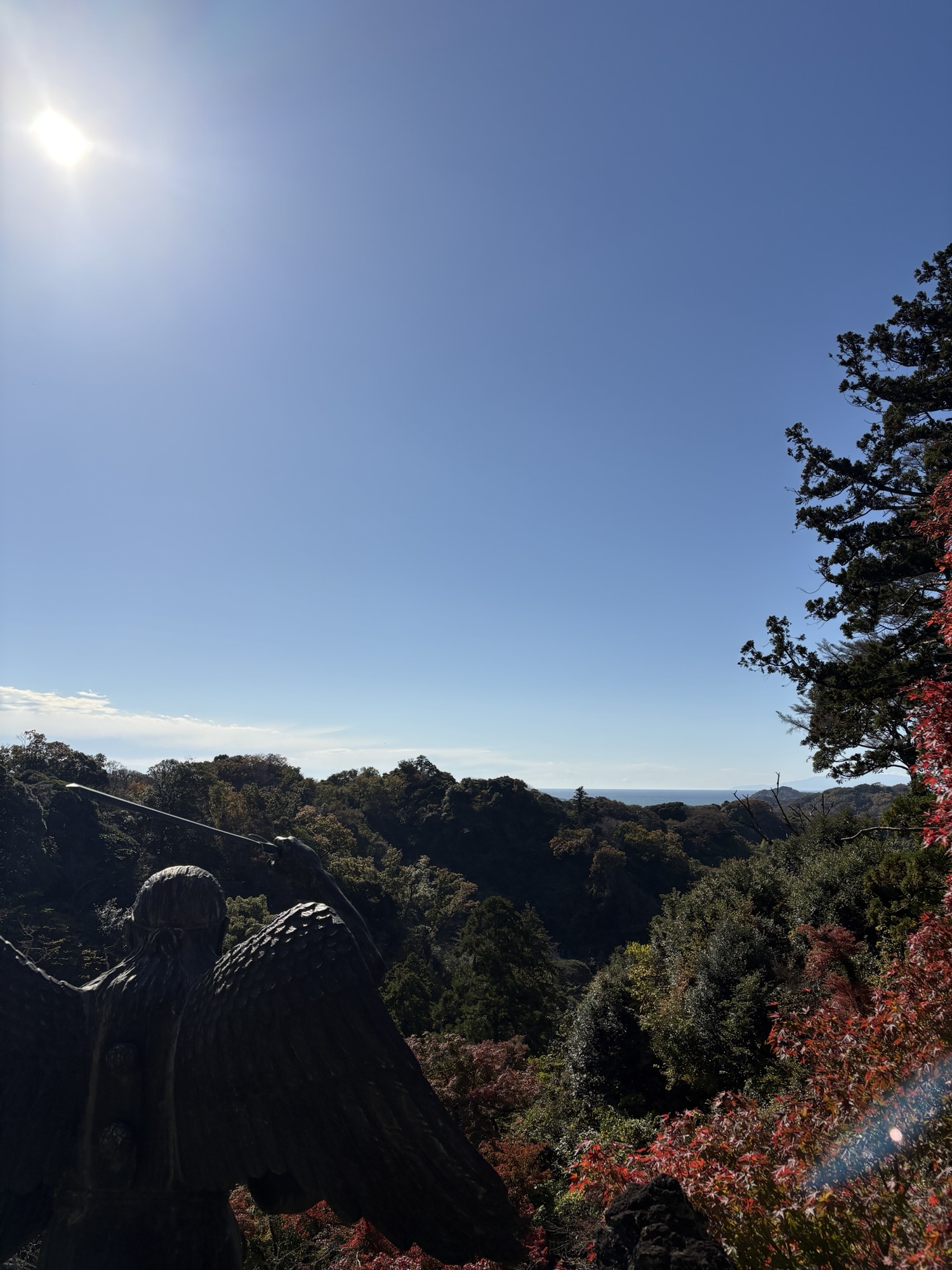

Here is a Kenchoji Temple. Here is, I guess, the biggest and the prestigious temple in Japan. So when you visit here, you will spend about 2 hours to look around. In my case, I didn’t have enough time so I did short cut to look around. But, I took about an hour to see temple, walk to the top and see a beautiful view.
If you read this blog, you’ll understand why Kenchoji is the most characteristic temple in Kamakura.
***Are you looking for hotel in Kamakura? Agoda will help you!***

Contents
1. The History of Kenchoji
Kenchoji, the first-ranked temple of the Kamakura Gozan (Five Great Zen Temples), holds a revered position in Japanese Zen Buddhism. It was established in 1253 during the Kamakura period by Hojo Tokiyori, a powerful regent of the Kamakura shogunate. Tokiyori invited Lanxi Daolong (Japanese: Rankei Doryu), a prominent Chinese Zen master, to oversee the temple’s establishment and teachings. Kenchoji was the first Zen temple built specifically for Zen practice in Japan, marking a turning point in the country’s spiritual landscape.

Designed to reflect the principles of Zen Buddhism, Kenchoji’s layout and architecture drew inspiration from Song dynasty Chinese temples. The temple’s main buildings, including the Sanmon Gate, Butsuden (Buddha Hall), and Hatto (Dharma Hall), showcase the elegant simplicity and functionality characteristic of Zen aesthetics. Over the centuries, Kenchoji has undergone renovations due to natural disasters and political turmoil. However, its spiritual essence has remained intact.

2. The Legacy of Hojo Tokiyori and Rankei Doryu
Hojo Tokiyori and Rankei Doryu’s collaboration significantly impacted Japanese society beyond the realm of religion. Tokiyori’s vision for a harmonious and disciplined society aligned with the teachings of Zen, emphasizing mindfulness, discipline, and simplicity. By bringing Rankei Doryu to Japan, Tokiyori not only introduced authentic Chinese Zen practices but also fostered cultural exchange between the two nations.

Rankei Doryu’s influence extended beyond Kenchoji. He trained generations of monks who went on to spread Zen teachings throughout Japan. It solidifies its role in shaping Japanese culture and philosophy. The Zen principles of mindfulness and detachment also influenced the samurai ethos. It is fostering a sense of mental clarity and focus essential for warriors.

3. Why Kenchoji Became the Top of the Kamakura Gozan

Kenchoji’s status as the top temple of the Kamakura Gozan was no accident. The Kamakura shogunate’s patronage of Zen Buddhism was instrumental in establishing the Gozan system. It is ranked Zen temples based on their contributions to society, education, and culture. As the first Zen temple in Japan, Kenchoji set the standard for excellence in spiritual practice and monastic discipline.
Its strategic location at the foot of Kamakura’s mountains provided an ideal setting for meditation and contemplation, embodying the Zen principle of harmony with nature. Furthermore, Kenchoji’s architectural grandeur and the scholarly achievements of its monks elevated its prestige. The temple’s enduring legacy as a center of Zen practice solidified its position as the foremost temple of the Kamakura Gozan.

4. Exploring the Temple and Beyond

For adventurous visitors, a hike to Hansobo Shrine offers breathtaking views of Kamakura and, on clear days, Mount Fuji. The trail is lined with guardian tengu statues, creating a mystical atmosphere. The ascent is both a physical and spiritual journey. Once you are done, you will be rewarded with a sense of accomplishment and a connection to nature.
5. Conclusion
It is a short walk from Kita-Kamakura Station on the JR Yokosuka Line. It makes it easily accessible from Tokyo and Yokohama. From the station, about 15-20 minutes by walk. Visitors can also enjoy the scenic journey through Kamakura’s quiet streets and lush surroundings to reach the temple.
Totally, here is historically important place in Kamakura, Japan. To explore more Japan, Kenchoji is must-visit place in Kamakura!

Leave a Reply