
Category: Travel
-
How to Survive Extreme Japanese Summer Season as a Traveler
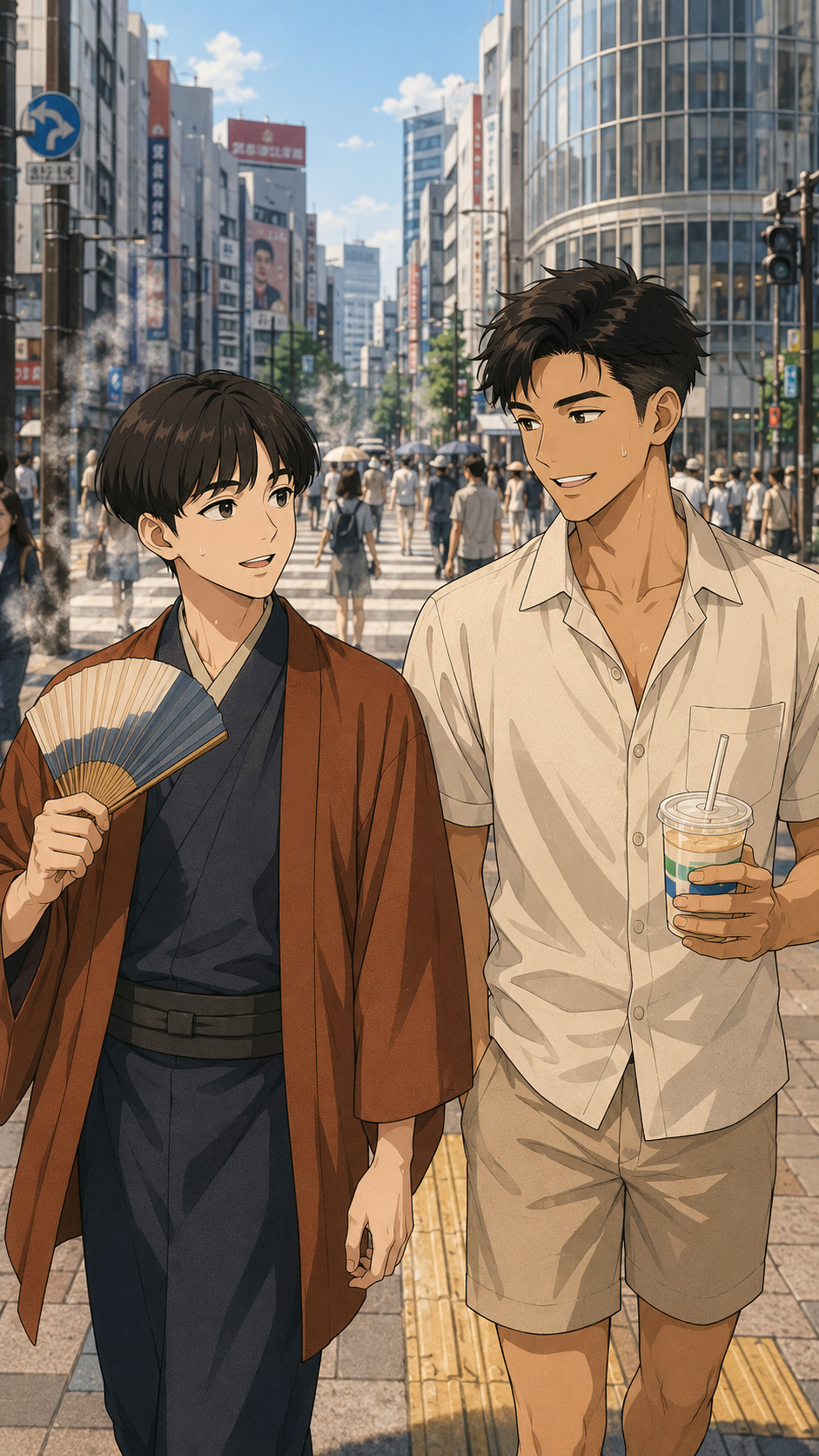
“I thought Japan would be hot. I didn’t know it would feel like this.” That’s the sentence I hear most often from first-time summer visitors — usually somewhere around day two, standing outside a train station, shirt already soaked, wondering why a “normal” 32°C day feels like standing inside a steamed bun. The truth is…
-

Fumizuki: Why July Has a Secret Name in Japan
Did you know July has another name in Japan? Long before the Gregorian calendar arrived, every month in Japan carried a name born from nature itself — the rhythm of rice fields, the turn of the wind, the arrival of rain. July was called Fumizuki (文月), and the story behind that name says something quietly…
-

Tsurugaoka Hachimangu in Sakura Season: Discover Kamakura’s Samurai-Era Heart
Every time I visit Kamakura during spring, I am reminded that some places in Japan are more than just beautiful destinations — they are living pieces of history that continue to shape the spirit of the country even today. During cherry blossom season, Kamakura transforms into a dreamlike town filled with soft pink sakura petals,…
-

Kairakuen in February: The Best Place to See Plum Blossoms in Japan Before Cherry Blossom Season
February may not be the first month that comes to mind when you think of traveling to Japan. Cherry blossoms dominate postcards, guidebooks, and social feeds — but February can feel quiet, even uninviting. I get it: visiting Japan in winter might sound like you’ll see bare trees and chilly streets. However, in Japanese culture,…
-

Why Do Japanese People Eat Mochi at New Year?
The History, Meaning, and Culture Behind Mochi When people see mochi pounding in Japan, it often looks lively, fun, and energetic. Wooden mallets swing down in rhythm, steam rises from freshly pounded rice, and everyone cheers together. But mochi is more than just a chewy rice cake. For Japanese people, especially during the New Year,…
-

Japanese New Year Decorations Explained: A Complete Guide to Kadomatsu, Shimenawa, Kagami Mochi, and More
If you visit Japan during late December or early January, you’ll notice something special the moment you step outside. Entrances of houses, shops, and even offices are decorated with bamboo, pine, straw ropes, and beautifully arranged ornaments. These are Japanese New Year decorations, and they are much more than seasonal decorations. Each item carries a…
-
Hatsumode: How Japanese People Welcome the New Year at Shrines
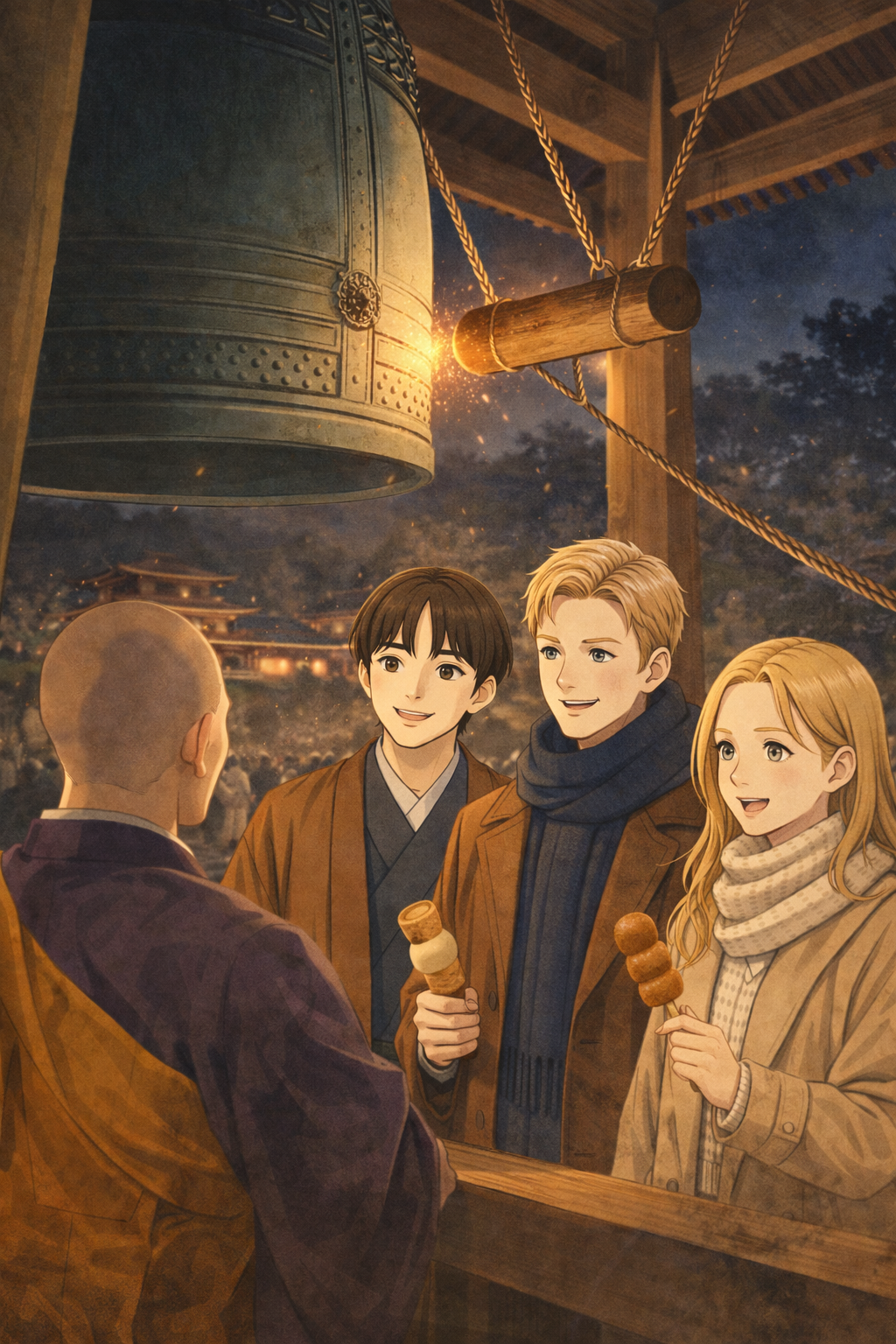
Introduction: A Quiet but Powerful Start to the Year in Japan In Japan, the New Year is not just a countdown or a party. It is a moment to reset, reflect, and quietly prepare for the year ahead. One of the most important traditions during this time is Hatsumode (初詣) — the first shrine or…
-
A Taste of New Year in Japan: Osechi and the Traditions Behind It
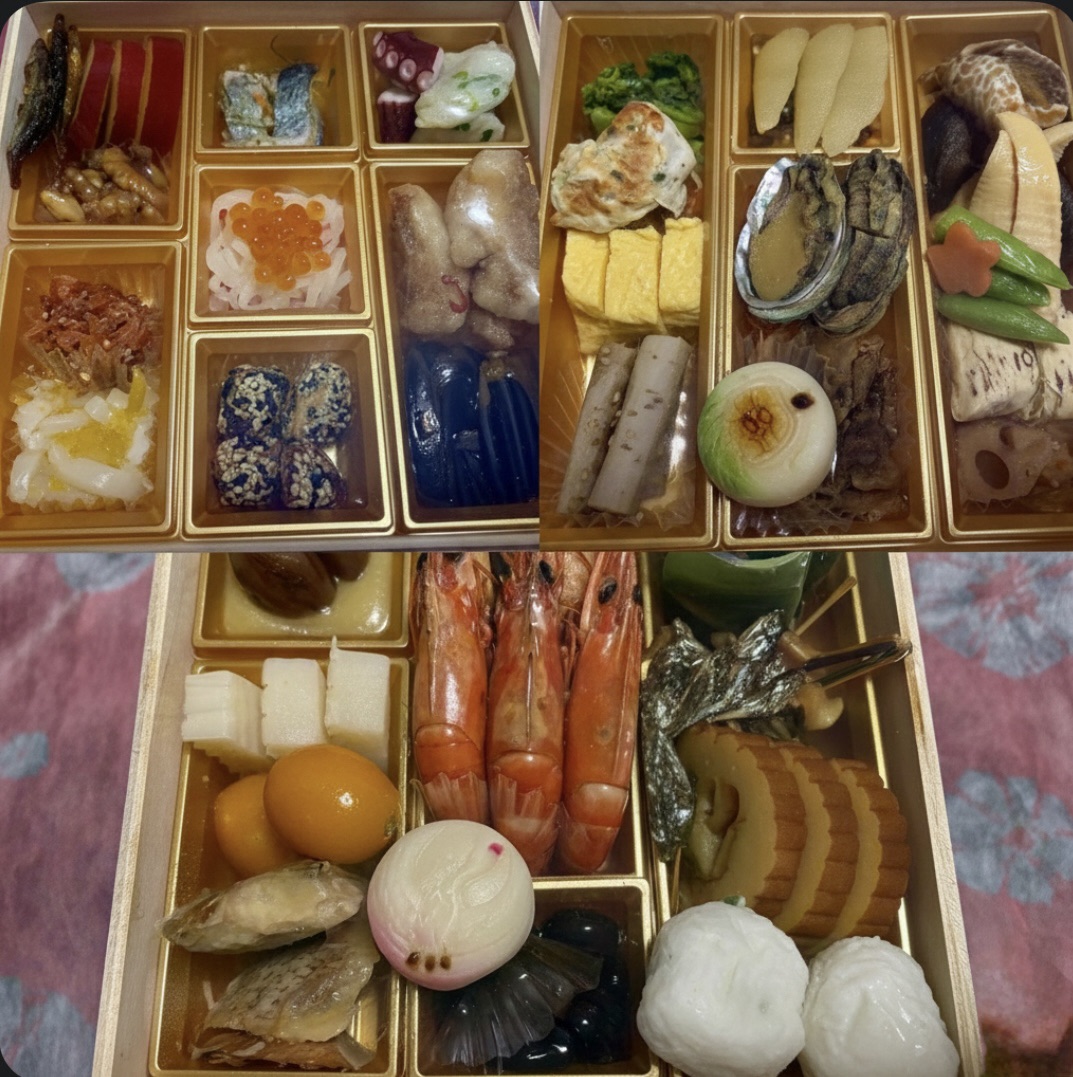
Introduction: A New Year Begins at the Table Happy New Year!!! Guys!!! In Japan, the New Year is not just marked by fireworks or countdowns—it begins quietly, at the family table. As the clock strikes midnight on January 1st, many Japanese families welcome the year with a beautifully arranged box of traditional dishes known as…
-

Why Do Japanese People Eat Soba on New Year’s Eve?
A Deep Dive into the History and Meaning of Toshikoshi Soba For many visitors to Japan, New Year’s Eve is a quiet and mysterious night. Shops close early, cities slow down, and families gather at home instead of celebrating loudly in the streets. And then, almost without exception, one tradition appears on the dinner table: Soba…
-
WHARF at Takanawa Gateway: A Seafood Restaurant with Stunning Views in Tokyo
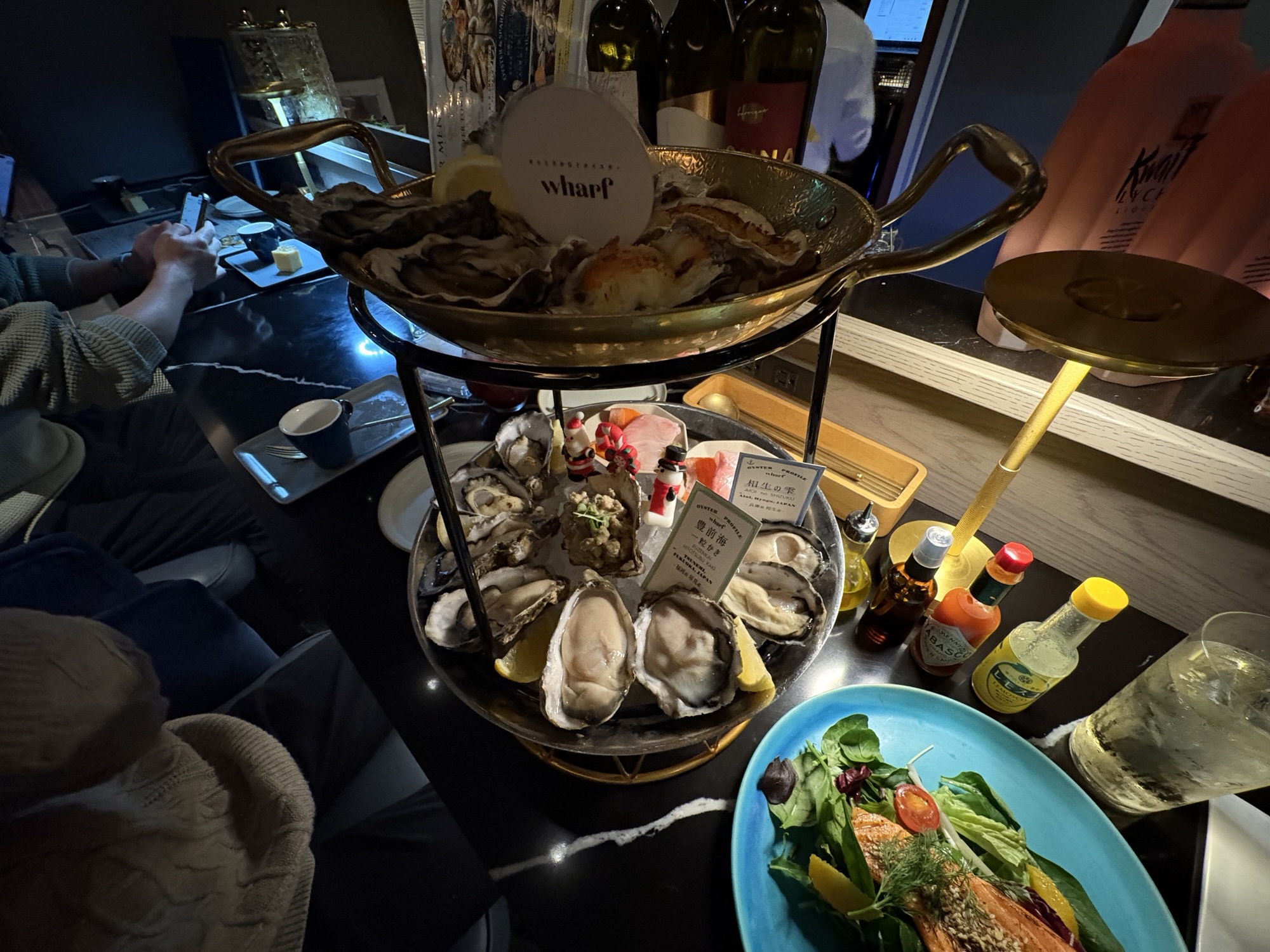
If you’re looking for a memorable dining experience in Tokyo—one that combines fresh seafood, stylish interiors, and breathtaking city views—then WHARF at Takanawa Gateway is a restaurant you shouldn’t miss. Located on the 28th floor of NEWoMan Takanawa Gateway, WHARF offers more than just a meal. It’s a place where great food, atmosphere, and location…