
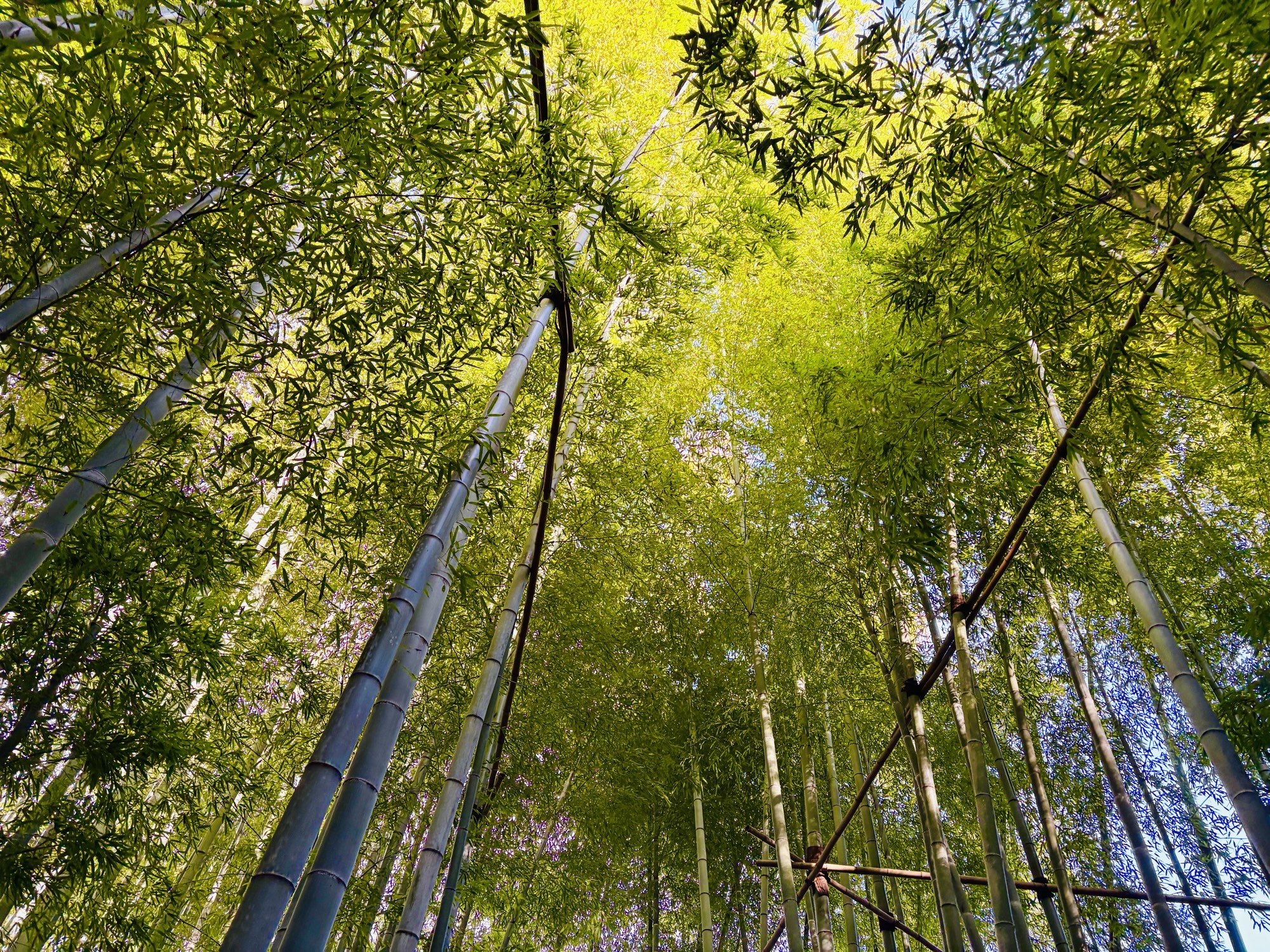

Here is Hokokuji and it’s known as a Bamboo temple in Kamakura.
For me, when I see bamboos, I feel calm down. So I think other visitors also experience same situation like me.
To make a plan to trip in Kamakura, you’ll add there so in this part, I’ll introduce the history and experiences in Hokokuji.
***Are you looking for hotel in Kamakura, Agoda will help you!***

1. The history of Hokokuji

Hokokuji Temple was established in 1334 during the Kamakura period by Tengan Eko, a Rinzai Zen priest. It was built as the family temple for the Ashikaga clan, a prominent samurai family. The temple holds deep connections to Zen Buddhism and the warrior culture of that era.
Over the centuries, Hokokuji became renowned for its peaceful environment and spiritual significance. Despite challenges like fires and wars, it has maintained its serene character. The temple’s focus on Zen practices continues to attract those seeking calm and reflection

2. Special Experience
Here’s landmark is Bamboo tunnel and making macha.
Let’s find out!
1. Bamboo Tunnel

The bamboo grove has over 2,000 tall, green bamboo trees. Walking through feels like entering another world. The sunlight filtering through creates a magical, calming atmosphere perfect for photos.
2. Macha Experience
Enjoy matcha tea in a tea house overlooking the bamboo garden. The tea is rich and relaxing. It’s a peaceful moment to connect with Zen culture while savoring traditional Japanese flavors.

3. Location
Hokokuji is about 10 minutes from Kamakura Station by bus.
Take the Keikyu bus bound for “Jomyoji” and get off at the Jomyoji stop.
4. Conclusion
Hokokuji blends history, nature, and Zen for a unique, peaceful experience.
Visit to enjoy the serenity and beauty of Kamakura’s bamboo sanctuary!


Leave a Reply