
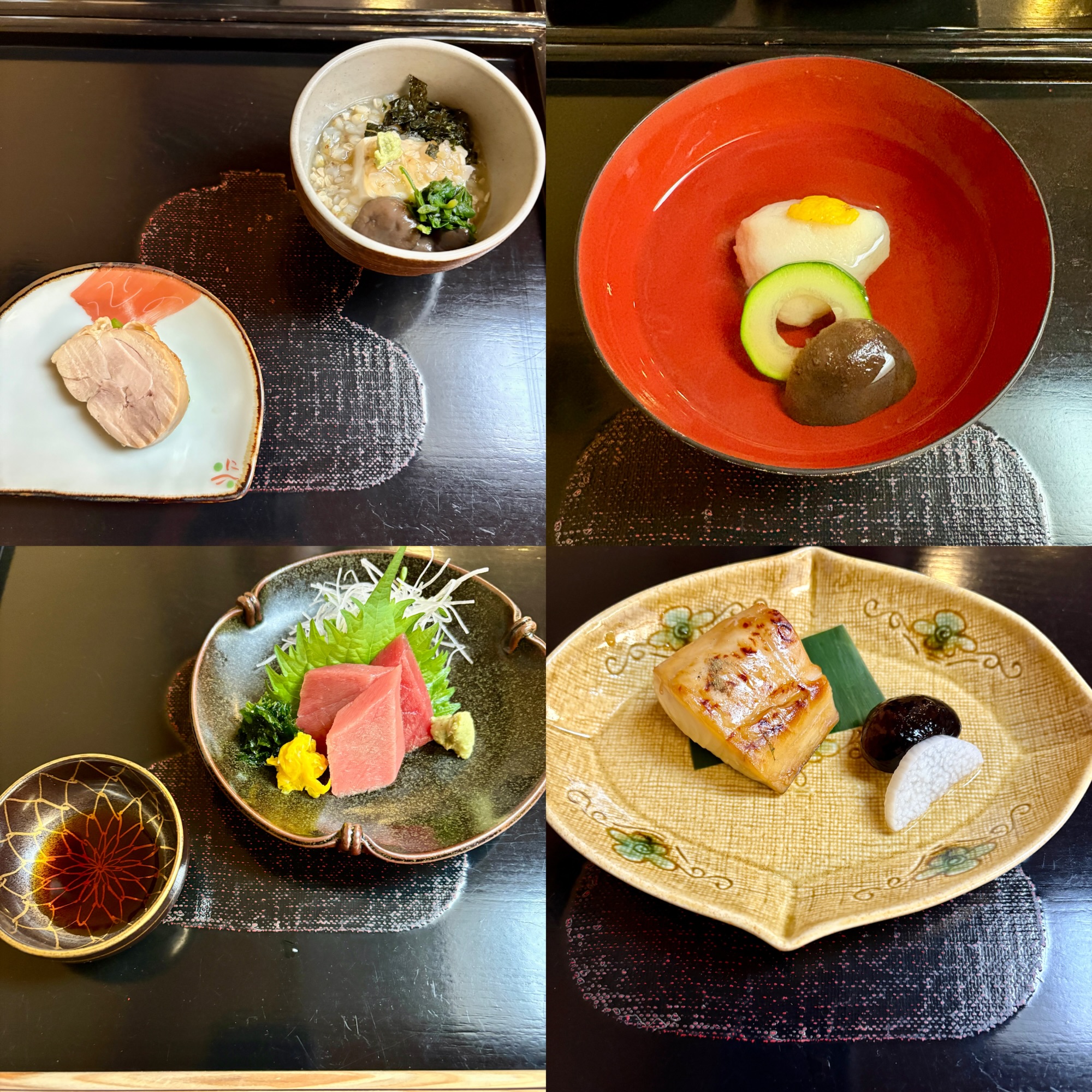

Do you know Kaiseki Cuisine?
Kaiseki cuisine is a traditional Japanese multi-course meal that combines art and flavor. Originally developed for tea ceremonies, it features beautifully arranged small dishes made with seasonal ingredients. Each course is carefully prepared to highlight natural flavors, creating a refined and balanced dining experience. While kaiseki is often served in high-end restaurants, modern versions make it more accessible, allowing everyone to enjoy this elegant part of Japanese food culture.
Last year, I visited Kamakura, where is the most favorite place, and felt like to to have a Kaiseki cuisine. In my past, I loved to have quantities than qualities. But now, I love qualities and love to take time to enjoy taste.
In this part, you’ll understand Japanese traditional foods. If you read my article, you’ll more enjoy to trip experience in Japan!
***Are you looking for hotel in Japan? Agoda will help you!!!***

Contents
1. The History of Kaiseki Cuisine

Kaiseki cuisine has its roots in the traditional Japanese tea ceremony, evolving from the simple meals served to guests. The term “kaiseki” (懐石) is derived from the practice of Zen monks who would place warm stones (温石) in their robes to ward off hunger during meditation. This concept was later adapted into the tea ceremony, where hosts offered modest meals to guests before serving tea, emphasizing simplicity and mindfulness.
Over time, kaiseki transformed into a sophisticated culinary art form, especially during the Edo period (1603–1868). It became a multi-course meal highlighting seasonal ingredients and meticulous presentation. The structure typically includes an appetizer, sashimi, a simmered dish, a grilled dish, and a steamed course, each reflecting the season’s essence. This evolution showcases Japan’s deep appreciation for nature and aesthetics in its culinary traditions.
To sum up, ENJOY TO HAVE TASTE FOR EACH CUISINE.
The chef selects seasonal and the freshest ingredients.
If you want to have authentic Japanese foods, you definitely have Kaiseki cuisine!!!
2. Typical Kaiseki Cuisine Menu
Alright!!!
I’d like to share the typical Kaiseki Menu!
I visited En in Kita-Kamakura. To explain Kaiseki Cuisine, I tried to visit there.

Basically, A Kaiseki Cuisine contains following foods.
- Appetizer: Small dishes (Depending on restaurants what they offer.)
- Japanese Clear Soup
- Sashimi (Raw Fishes)
- Grilled Fishes, or Boiled Fishes

- Japanese Boiled foods
- Tempura: Japanese fried foods
- Rice and Miso soup
- Desert
As you see these pictures, Kaiseki cuisines have 7-10 cuisines. The actual amounts is depending on restaurants so if you can access to HP, you are better to check before going to.
The most typical trait is that all cuisines are small amounts. But instead of enjoy a lot of foods, enjoy one bite and seasonal taste!
3. Where you’ll have Kaiseki Cuisines

Kaiseki cuisine is best enjoyed in historically rich cities like Kyoto and Kamakura, where traditional culture and refined dining come together. Kyoto, the heart of Japanese tea culture, is home to many renowned kaiseki restaurants, often linked to historic tea houses. Kamakura, with its deep Zen traditions, also offers authentic kaiseki experiences. Additionally, many high-end ryokan (traditional inns) across Japan serve exquisite kaiseki meals, allowing guests to savor seasonal flavors while immersing themselves in Japan’s natural beauty and hospitality.
4. Conslusion
Totally, Kaiseki cuisines have attractive Japanese tradition, such as Zen culture, kindly taste, seasonal foods. Some people might think it’s over priced but if you try to have authentic taste, you are better to have this small dishes.


Leave a Reply