
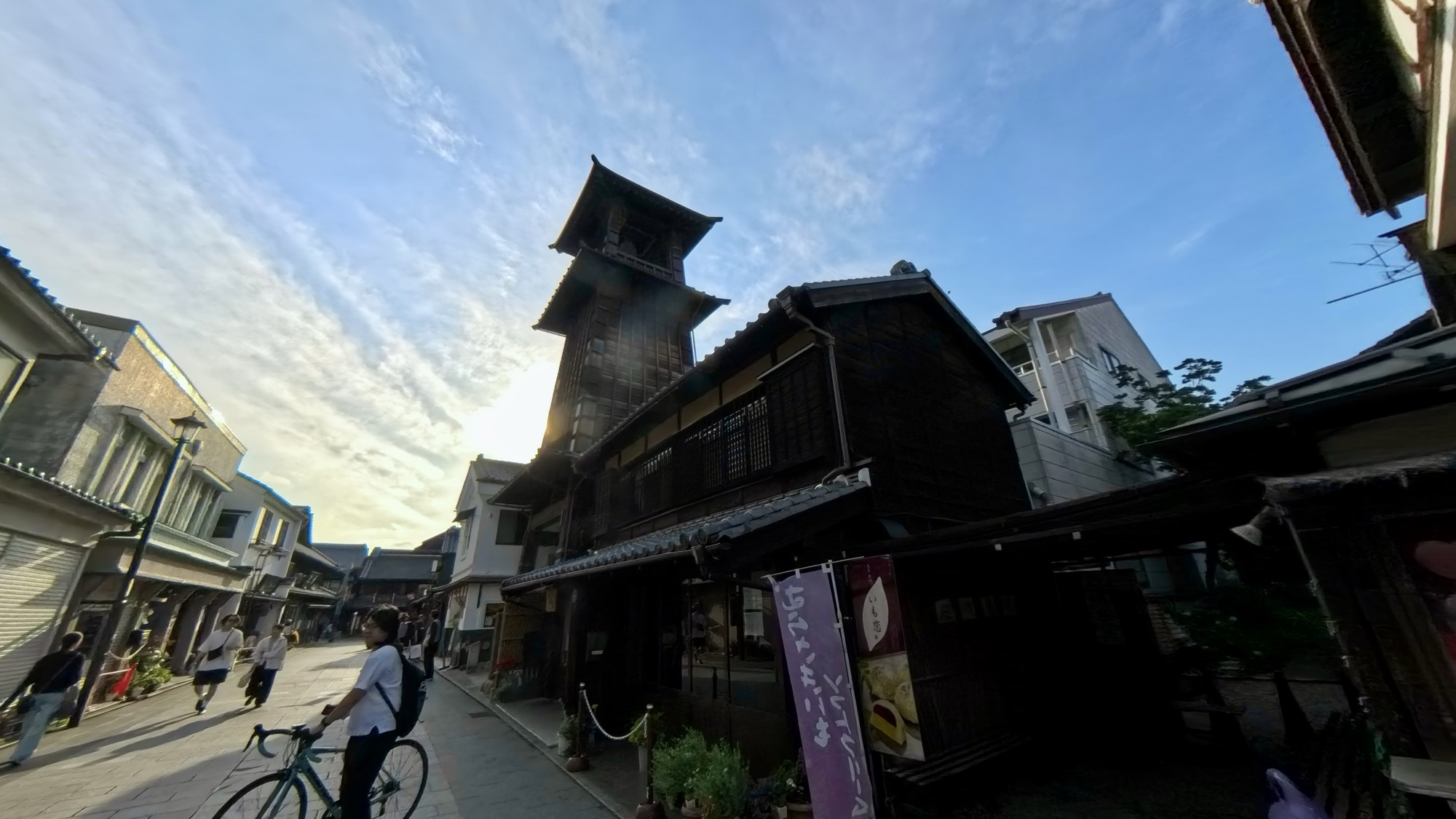

Have you ever been to Koedo, Kawagoe?
Kawagoe is located on Saitama, where is my hometown. And my high school is also located near the area. So I used to visit Kawagoe on holiday and after school.
Recently, I like to take a walk near my area. (It takes like around 30 minutes – 2 hours from my town.) Last time was Kashima Jingu Shrine, Ibaragi prefecture. And this time is Kawagoe!
If you read my article, you’ll add short trip itinerary around Tokyo area.
Anyway, let’s get start it!!!
***Are you looking for hotel in Japan? Agoda and Ikkyu.com will help you!***


Contents
1. Koedo Kawagoe: The “Little Edo” of Saitama

Kawagoe, often called “Koedo” (Little Edo), is a historic city in Saitama Prefecture that feels like stepping into a time machine. The nickname comes from its well-preserved streets and buildings that resemble those from the Edo period (1603–1868), a time when samurai, merchants, and artisans flourished under Tokugawa rule.
So why did Kawagoe become known as “Little Edo”? During the Edo era, Kawagoe served as a strategic castle town supporting the shogunate. It had strong political and economic ties to Edo (modern-day Tokyo), particularly through the Kawagoe Kaidō—an important highway connecting the two cities. Thanks to this route, Kawagoe played a vital role in the trade and cultural exchange between Edo and the surrounding regions.
Even after the Meiji Restoration, Kawagoe managed to preserve much of its traditional architecture, unlike Tokyo which modernized rapidly. Today, visitors can still walk along Kurazukuri streets—lined with sturdy clay-walled merchant buildings designed to resist fire—getting a taste of life in old Japan.
What makes Kawagoe so appealing is that it’s not just a historical site—it’s a living town. Locals still work and run businesses in these traditional buildings. Cafés, craft shops, and sweet stores blend the old with the new, making it perfect for travelers looking to experience Japanese history without leaving the comforts of the modern day.
Whether you’re a history lover, a culture seeker, or simply someone looking for an aesthetic day trip, Koedo Kawagoe is a must-visit. It’s a rare place where history feels alive—and it’s just a short train ride from central Tokyo.
2. Kurazukuri Street: Strolling Through the Past (and Snacking Along the Way!)
One of the highlights of our Kawagoe trip was exploring the Kurazukuri (蔵造り) street—an area lined with traditional merchant warehouses that now house trendy cafés, souvenir shops, and sweet stalls. The buildings have thick, black clay walls and tiled roofs, designed to withstand fire. Walking here truly felt like stepping back in time.
But the best part? The food!

Kurazukuri Street is a dream for anyone who loves snacking while sightseeing. The area is known for its local specialty: sweet potatoes. You’ll see them everywhere—in croquettes, chips, cakes, and even ice cream.
We tried the sweet potato soft serve (スイートポテトソフトクリーム) and it was amazing! Creamy, slightly earthy, and not overly sweet—it was the perfect treat on a sunny day. There are also shops selling sweet potato yokan, purple potato dorayaki, and even sweet potato coffee if you’re feeling adventurous.
Aside from the food, the street itself is super photogenic. The old kura (storehouses) create a nostalgic atmosphere, and shop signs are often written in old-style fonts. You’ll see locals in yukata during summer, and even rickshaws offering guided rides.
If you’re visiting Kawagoe for the first time, Kurazukuri Street is a must. It’s where history, culture, and food come together beautifully. Just don’t come on a full stomach—you’ll want to save room for all the street snacks!
3. Toki no Kane: The Heartbeat of Kawagoe

Standing tall above the rooftops of Kawagoe’s historic district is the Toki no Kane (時の鐘)—the Time Bell Tower. It’s one of the city’s most iconic symbols, and for good reason. Originally built in the early 1600s, this wooden tower has been marking time for the people of Kawagoe for over 400 years.
The current structure was rebuilt in 1894 after a fire, but it retains its traditional design and charm. The bell still chimes four times a day—at 6 AM, noon, 3 PM, and 6 PM—echoing through the streets just as it did centuries ago.
There’s something magical about standing nearby when the bell rings. The deep, resonant sound gives you a feeling of timelessness, as if you’re hearing the heartbeat of the town. Even if you’re just passing by, it’s worth stopping and listening for a moment.
The area around Toki no Kane is also full of charming cafés and shops. You’ll find local artisans selling hand-crafted accessories, vintage souvenirs, and seasonal sweets. It’s a great place to sit down with a cup of matcha and soak in the atmosphere.
At sunset, the tower glows beautifully in the golden light, making it a favorite spot for photos. Whether you’re a history enthusiast or just want to feel the “spirit” of old Japan, Toki no Kane is not to be missed.
4. Kawagoe Hikawa Shrine: A Whimsical Place of Wishes

Among the many shrines in Japan, Kawagoe Hikawa Shrine (川越氷川神社) stands out for its beauty, romantic atmosphere, and unique seasonal displays. Dedicated to deities of love and marriage, this shrine is a popular destination for couples and those hoping to find love.
One of the most eye-catching features is the “Ema Tunnel”—a passageway where thousands of ema (wooden wishing plaques) hang, each inscribed with a heartfelt wish. Walking through the tunnel feels intimate and hopeful, as if you’re surrounded by a chorus of dreams.

During certain times of the year (especially summer), the shrine also features a tunnel of colorful pinwheels (風車のトンネル) that spin gently in the wind. This display has become a favorite on Instagram, and it’s easy to see why—it’s playful, vibrant, and absolutely magical.
Visitors can also draw omikuji (fortune slips)—but with a twist. At Hikawa Shrine, some omikuji are set afloat in water. Watching your fortune gently float is not only calming but also deeply symbolic.
The shrine grounds are peaceful and well-maintained, with stone paths, a small stream, and torii gates adding to the serene atmosphere. It’s the kind of place that invites you to slow down, reflect, and maybe even make a wish of your own.

Whether you’re visiting for spiritual reasons or just curious to see its seasonal charm, Kawagoe Hikawa Shrine is a highlight you won’t want to miss. Bring your camera—and maybe your wish for love, too.
5. Why Kawagoe is the Perfect Day Trip from Tokyo
If you’re staying in Tokyo and looking for an easy, culturally rich escape, Kawagoe is the answer. Located in Saitama Prefecture, it takes just 30 to 60 minutes by train, depending on the line you choose (Tobu Tojo Line, Seibu Shinjuku Line, or JR Kawagoe Line).
What makes Kawagoe special is how walkable and compact it is. You can experience temples, shrines, historic streets, and amazing local food—all within a half-day trip. Unlike some popular tourist destinations that require hours of hiking or travel between attractions, Kawagoe is ideal for a leisurely stroll.
The town blends old and new in a way that feels authentic but not overly touristy. Whether you’re traveling solo, with friends, or even with kids, Kawagoe offers something for everyone—from historical sights to sweet potato ice cream!
Plus, it’s incredibly photogenic. Whether you’re shooting for Instagram, your travel journal, or just making memories, you’ll leave with your camera roll full.
So if you’re planning a visit to Japan and want to explore beyond Tokyo—but without going too far—Kawagoe is the perfect spot. It’s a peaceful escape that shows a different side of Japan: one that’s slower, sweeter, and full of charm.


Leave a Reply