


Contents
Introduction: Food as Japan’s True Treasure
When people ask me “What are your favorite types of food?” my answer is simple: Japanese food. Not only because I was born and raised in Japan, but because I have traveled, eaten, and experienced countless meals around the world, and still, nothing compares to the richness, balance, and pure joy of Japanese cuisine.
As someone who shares the beauty of Japan with more than 100,000 followers across social media, I often highlight temples, shrines, landscapes, and cultural traditions. But if I had to choose one thing that truly defines the Japanese experience, it would be food. Eating in Japan is not just about taste—it’s about connection, memory, and identity.
In this post, I want to share my top three favorite Japanese foods, along with some hidden gems and reflections on why Japanese cuisine should be at the top of your travel list.
My Top 3 Favorite Japanese Foods
🥇 1. Yakitori (Grilled Skewered Chicken)

Yakitori is simple, yet endlessly fascinating. Chicken skewers grilled over charcoal may sound basic, but when you sit down at a tiny izakaya, the aroma of smoke, the sizzling sound, and the pairing with cold beer create magic.
Personally, my favorites are bonjiri (chicken tail) and nankotsu (cartilage). Bonjiri has this juicy, fatty richness that bursts with flavor, while nankotsu offers a crunchy texture that surprises first-time eaters. These cuts are often overlooked, but to me, they showcase the depth of Japanese culinary creativity—finding joy in every part of the animal.
Yakitori also represents community. Whether you’re grabbing a skewer after work with colleagues or sitting shoulder-to-shoulder with strangers at a counter, the atmosphere is always warm. It’s not fine dining, but it’s the kind of food that connects people.
🥈 2. Nabe (Hot Pot)

When winter arrives in Japan, nothing feels more comforting than gathering around a bubbling pot of soup. Nabe is more than just a dish—it’s a ritual of sharing.
A huge pot filled with broth becomes the center of the table. Into it go vegetables, mushrooms, tofu, and slices of meat. Everyone cooks, everyone eats, everyone laughs. That’s why I call nabe “the happiness we share.”
My favorite version is shabu-shabu, where you briefly swish thin slices of meat in boiling broth before dipping them into sesame or ponzu sauce. It’s healthy, hearty, and perfect for long winter nights.
Foreign visitors often ask me what Japanese families eat at home, and while sushi might come to mind, the truth is that many families enjoy hot pot together. If you’re visiting Japan during colder months, I highly recommend joining a local nabe experience—you’ll feel instantly part of the family.
🥉 3. Oden

Oden might not be as internationally famous as sushi, but it is the heart of Japanese winter food culture. Imagine a simmering broth infused with kelp and bonito, slowly cooking ingredients like daikon radish, tofu, boiled eggs, konjac, and fish cakes.
What I love about oden is its simplicity. No heavy sauces, no overpowering spices—just ingredients slowly absorbing the umami of the broth. It teaches us the beauty of Japanese cuisine: highlighting natural flavors rather than hiding them.
Convenience stores even sell oden in winter, so you can grab a hot serving late at night. That accessibility—delicious, healthy, affordable comfort food—makes oden a true symbol of Japanese food culture.
Beyond My Top 3: More Japanese Food You Must Try
Of course, ranking foods is nearly impossible in Japan. There are too many! Let me share a few more that deserve the spotlight.
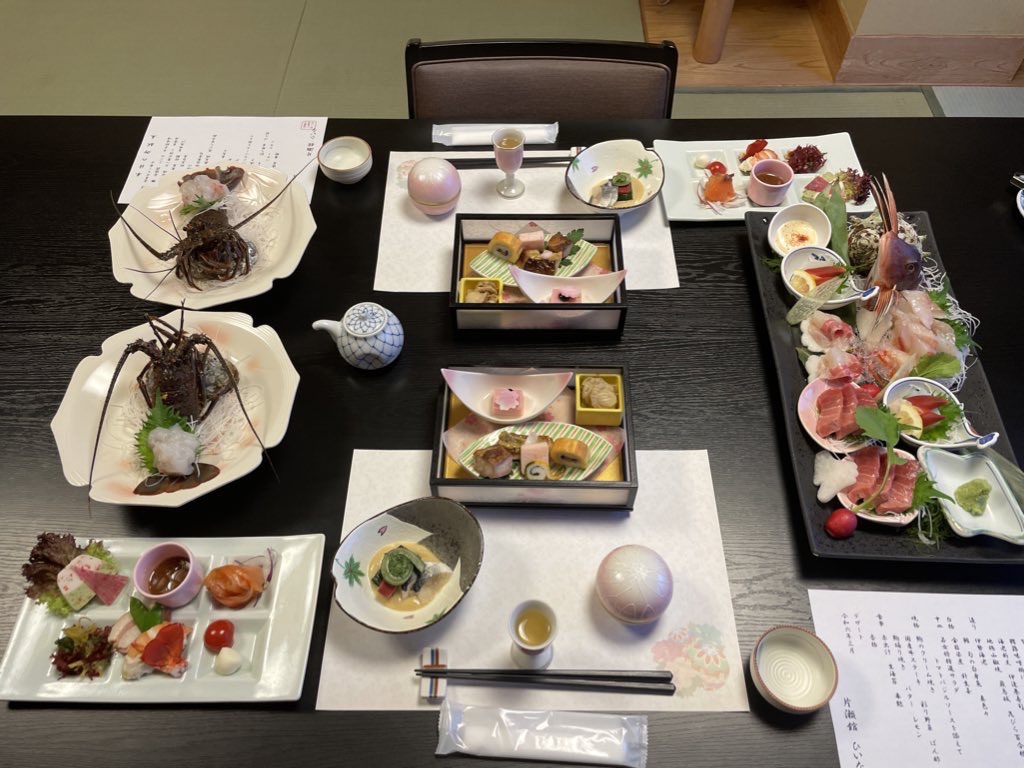
🍣 Sushi and Sashimi

Believe it or not, I only recently started enjoying raw fish. As a child, I avoided it. But as I grew older, I learned to appreciate the incredible freshness and delicate flavors of sushi and sashimi.
The first time I really understood sushi was when I tried maguro (tuna) at a small sushi counter. The clean taste, the perfect rice, the harmony—it felt like an art form. And honestly, Japan is the best place to eat raw fish because of the country’s strict hygiene standards and unparalleled handling techniques.
So if you’re visiting Japan, make sure to try sushi or sashimi. Even if you think you don’t like raw fish, give it another chance here—you might be surprised, just like me.

🥢 Otsumami and Appetizers

One of the underrated joys of Japanese dining is the endless variety of small dishes. At izakaya (Japanese pubs), you’ll always get otoshi—a tiny appetizer served automatically when you order drinks. This might seem simple, but it reflects the chef’s creativity and philosophy.
I love these small plates because they’re versatile: something salty when you crave it, something refreshing when you need balance, something pickled to cut through richness. They’re the perfect companions to drinks, conversations, and late-night laughter.
Exploring Japan means finding your own favorite “small plate.” It’s like a treasure hunt—you never know what unique appetizer you’ll encounter at the next izakaya.
🍽️ Western-Style Dishes in Japan

Here’s a secret many travelers overlook: Japanese Western food is amazing.
Known as “yōshoku,” these dishes are Japanese interpretations of Western classics—hamburg steak, omurice, curry rice, and more. What makes them special is the use of local ingredients. Thanks to Japan’s fertile land, clean waters, and rich seas, the meat, vegetables, and seafood used are of world-class quality.
This is also why Japan ranks second only to France in the number of Michelin-starred restaurants. It’s not just sushi or tempura that wins awards—Japanese chefs reinterpret French, Italian, and Spanish cuisines with incredible skill.
So when you visit Japan, don’t underestimate yōshoku. It’s comfort food with a Japanese twist, and it might surprise you as much as sushi does.
Why Is Japanese Food So Good?
Food in Japan is more than sustenance—it’s a cultural philosophy.
There’s a saying in Japan: “Eating delicious food brings more happiness than romance.” In other words, many Japanese people find joy in food that rivals, or even surpasses, the joy of being with a partner. That might sound funny, but it reveals how central cuisine is to daily life here.
The combination of seasonal ingredients, careful preparation, and deep respect for food creates an experience that feels both humble and luxurious. Japanese cuisine is not about quantity, but about balance—flavor, nutrition, and presentation working together in harmony.
Conclusion: Japan = A Food Lover’s Paradise

If you ask me what my favorite foods are, my answer will always circle back to Japanese cuisine. From smoky yakitori skewers to bubbling nabe pots, from delicate sushi to hearty Western-style dishes, the diversity and quality are unmatched.
Japan is a place where food is not just eaten but celebrated, shared, and remembered. Whether you’re visiting for the first time or the tenth, the dining table will always offer new surprises.
So, if you’re planning a trip to Japan, don’t just visit the famous temples and shrines—let your taste buds guide you too.
And by the way—I’ve just updated the Food section of my blog! You’ll find guides, recommendations, and tips for exploring Japanese cuisine. Make sure to check it out for inspiration on your next trip.
Because at the end of the day, Japan proves one thing over and over again:
Food is happiness.
Leave a Reply