
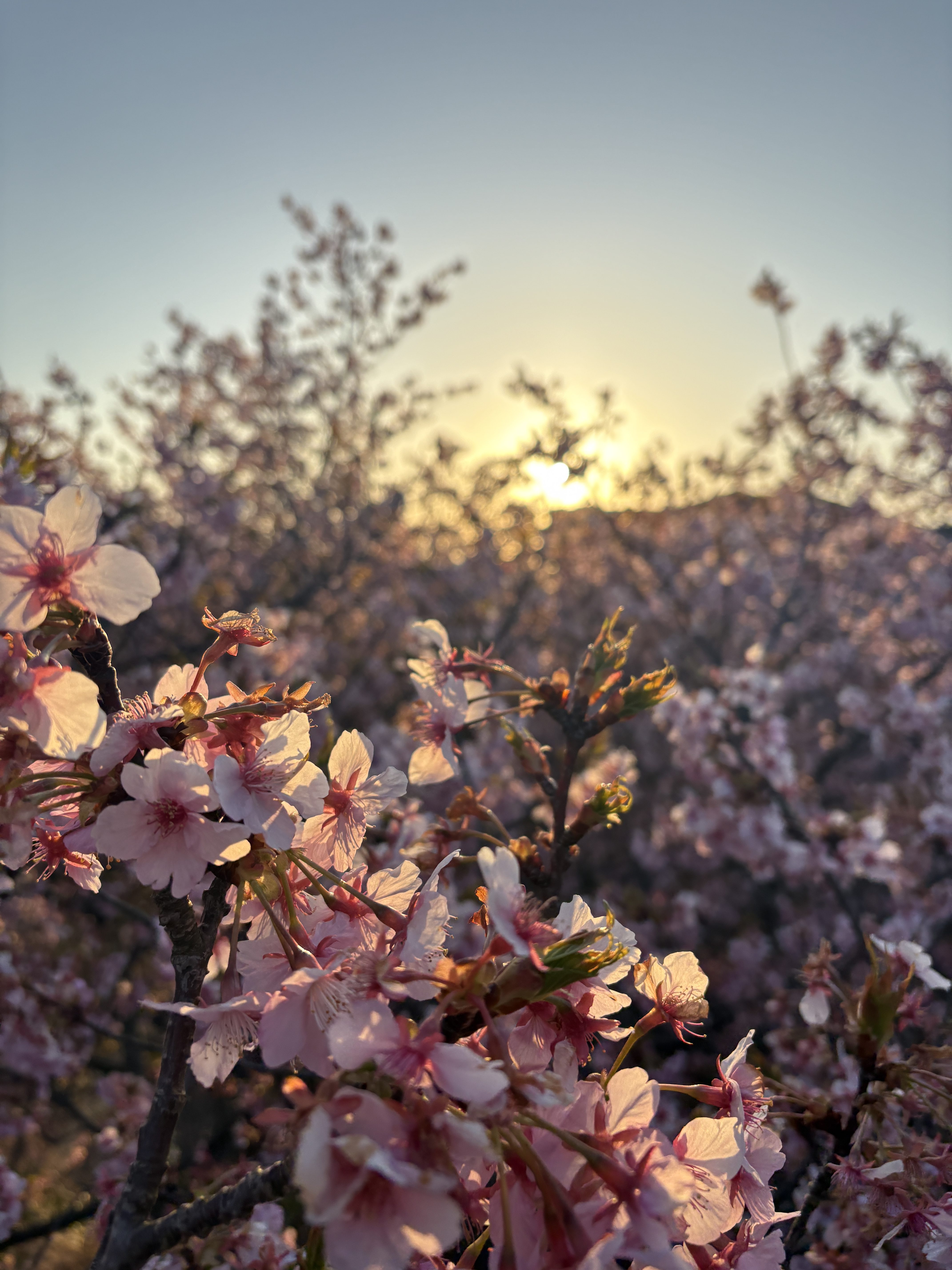
A Perfect February Day Trip from Tokyo – Blossoms, Ocean Views, Local Farms & Fresh Seafood
Contents
- Introduction – When Spring Begins Before Spring
- 1. Arriving at Miura Coast Station – The Kawazu Sakura Festival
- 2. Walking Toward Miura Coast – Cherry Blossoms Meet the Ocean
- 3. Komatsuga ike Pond Park – Kawazu Sakura, Canola Flowers & the Keikyu Line
- Discovering Local Agriculture – Buying Raddish of Miura
- Walking to Misaki-guchi Station – Ending the Day with Seafood
- Why Miura Peninsula Is Perfect for February Travel
- Final Thoughts – The Quiet Beauty of Kisaragi
- Recent Posts
- Kagoshima: Exploring The Serene Onsen Of Kirishima
- What Is Yayoi? The Traditional Japanese Word for March Explained
- Hinamatsuri: Japan’s Beautiful Doll Festival Celebrating Girls and Spring
- Kawazu Sakura in Miura Peninsula: Japan’s Earliest Cherry Blossoms by the Sea
- Kobuntei at Kairakuen: Where Plum Blossoms and Scholarship Bloom Together
- Share this:
- Like this:
Introduction – When Spring Begins Before Spring
February in Japan is called Kisaragi (如月) — a month that still carries the crisp air of winter. Many travelers associate cherry blossoms with late March or early April, especially in Tokyo or Kyoto. However, along the coast of Kanagawa Prefecture, spring begins much earlier.
On the Miura Peninsula, Kawazu Sakura bloom from mid-February, painting the countryside in vivid shades of pink while much of the country is still wrapped in winter coats.
Located only about one hour from central Tokyo by Keikyu Line, Miura offers something special: early cherry blossoms by the sea, peaceful coastal scenery, local agriculture, and some of the freshest seafood in the region. It is the kind of destination that feels authentic, relaxed, and refreshingly local.
This was my February escape — a day that quietly marked the transition from winter to spring.
1. Arriving at Miura Coast Station – The Kawazu Sakura Festival

Every year from mid-February to early March, the area surrounding Miura Kaigan Station becomes the heart of the Miura Kaigan Sakura Festival. As soon as you exit the ticket gates, you are greeted by rows of Kawazu Sakura lining the railway tracks.
Unlike the pale pink Somei Yoshino that bloom later in spring, Kawazu Sakura are a deeper, more vibrant pink. Their blossoms are slightly larger and last longer — sometimes blooming for nearly a month depending on the weather. This extended blooming period makes them ideal for travelers who want flexibility in planning their trip.
Travel Tip:
Take the Keikyu Line from Shinagawa Station. The ride takes about 70 minutes, and no transfer is required. If you sit on the right side of the train when heading toward Miura, you may even catch glimpses of the coastline before arrival.
The festival atmosphere is lively but not overwhelming. Small food stalls sell seasonal snacks, sakura-flavored sweets, grilled seafood, and local vegetables. Compared to peak cherry blossom spots in Tokyo, the crowd here feels calmer and more regional, making it easier to take photos and enjoy the scenery at your own pace.
One of the most iconic photo opportunities is the red Keikyu train passing directly beside the pink blossoms. The contrast between bright red and vivid pink under a blue February sky creates a striking composition that photographers love.
If you want the perfect shot, be patient — trains run frequently, and timing is everything.
2. Walking Toward Miura Coast – Cherry Blossoms Meet the Ocean

From the station, it is about a 10-minute walk to Miura Beach. What makes this location unique among sakura spots in Japan is the proximity to the sea.
Within minutes, the scenery transforms:
Pink cherry blossoms behind you.
Wide sandy beach ahead.
The open Pacific Ocean stretching toward the horizon.
Miura Beach is known for its long shoreline and relatively gentle waves. In summer, it becomes a popular swimming spot, but in February, it feels quiet and contemplative. The winter air is cool, yet the sunlight already hints at spring warmth.
Photography Advice:
Visit around late morning when the sun is higher. The light reflects beautifully off the ocean surface, creating a balanced exposure between sky, sea, and blossoms.
This combination of sakura and ocean is rare in Japan. Most famous cherry blossom locations are riversides, parks, or castle grounds. Here, you experience coastal Japan — open skies, sea breeze, and fishing boats in the distance.
It’s a reminder that Japan’s seasonal beauty is not limited to urban landmarks. Sometimes, it thrives in small seaside towns where nature quietly leads the rhythm of life.
3. Komatsuga ike Pond Park – Kawazu Sakura, Canola Flowers & the Keikyu Line

If Miura Kaigan Station is the festival hub, Komatsugaike Park is the scenic highlight.
Located about 15 minutes on foot from the station, this small park surrounds a peaceful pond and gently sloping walking paths. Here, Kawazu Sakura bloom alongside bright yellow canola flowers (nanohana), creating one of the most colorful early-spring landscapes in the region.
The color palette is unforgettable:
Deep pink cherry blossoms.
Vibrant yellow flowers.
Clear blue sky.
And occasionally, the red Keikyu train passing in the background.
This four-color combination makes Komatsugaike one of the most photogenic sakura locations near Tokyo.

Best Time to Visit:
Morning is ideal for softer light and fewer visitors. Weekdays are significantly less crowded than weekends during peak bloom.
Bring comfortable walking shoes. The park paths are gentle but slightly uneven in some areas. Take your time — this is not a place to rush. Sit by the pond, observe reflections of the blossoms in the water, and enjoy the quiet conversations of local visitors.
The atmosphere here feels intimate and local rather than touristic. Elderly couples stroll slowly. Amateur photographers carefully adjust their tripods. Families picnic under early blossoms.
It feels like a preview of hanami season — before the rest of Japan wakes up to spring.
Discovering Local Agriculture – Buying Raddish of Miura

Miura Peninsula is not only about scenery; it is also one of Kanagawa’s important agricultural areas. The mild coastal climate supports vegetable farming throughout much of the year.
Near the park, I found a small farm stand selling Miura Daikon, a famous local radish variety known for its size and slightly sweet flavor. Unlike typical supermarket daikon, Miura Daikon are thick, heavy, and freshly harvested — sometimes still carrying traces of soil.
Buying local produce while traveling may seem simple, but it deepens your connection to the region. You are not just observing a place; you are participating in its seasonal rhythm.
Miura Daikon is especially popular in simmered dishes such as oden or nimono. When cooked slowly, it absorbs broth beautifully while maintaining a tender yet firm texture.
Travel Tip for International Visitors:
If you cannot carry vegetables home, consider visiting local farm shops simply to observe what is in season. Seasonal produce tells you more about a region than guidebooks often do.
This agricultural aspect adds another layer to the Miura experience — beyond blossoms and beaches.
Walking to Misaki-guchi Station – Ending the Day with Seafood

Instead of returning directly from Miura Kaigan Station, I chose to walk toward Misakiguchi Station, the southern terminal of the Keikyu Line.
The walk takes about 30–40 minutes depending on your pace. Along the way, you pass vegetable fields, quiet residential streets, and open farmland. The sky feels wider here than in Tokyo.
Near Misakiguchi Station, small seafood restaurants serve fresh catches from nearby Misaki Port, which is particularly famous for tuna.
I ordered a kaisendon — a bowl of rice topped with fresh slices of tuna and seasonal fish. The texture was firm yet delicate, and the flavor was clean and naturally sweet.
After walking all day under cherry blossoms and coastal skies, this meal felt like the perfect conclusion.
Why Seafood Here Is Special:
The proximity to fishing ports means shorter transport time, which directly affects freshness. In Japan, freshness is not just about taste — it is about texture and subtle sweetness.
Ending a spring preview trip with local seafood completes the full Miura experience: blossoms, ocean, farmland, and fishing culture — all in one day.
Why Miura Peninsula Is Perfect for February Travel
If you are visiting Japan in February and worry that it may be too early for cherry blossoms, Miura Peninsula offers a beautiful alternative.
You can experience:
- Early blooming Kawazu Sakura
- Fewer crowds compared to peak hanami season
- Coastal landscapes near Tokyo
- Photogenic train-and-flower compositions
- Local agricultural culture
- Fresh seafood from nearby fishing ports
It is accessible, affordable, and manageable as a day trip.
Most importantly, it allows you to witness the very beginning of spring — before it becomes crowded, commercialized, and widely photographed.

Final Thoughts – The Quiet Beauty of Kisaragi
As Kisaragi comes to an end, the Kawazu Sakura in Miura bloom confidently ahead of schedule, almost as if they cannot wait for spring.
They are not the most famous cherry blossoms in Japan.
They are not surrounded by castles or ancient temples.
Instead, they bloom beside train tracks, vegetable fields, and the ocean.
And perhaps that is what makes them unforgettable.
If you want to experience a softer, quieter, and more local side of Japan’s seasonal beauty, Miura Peninsula in February is waiting.
Spring does not arrive all at once.
Sometimes, it begins quietly — by the sea.


Leave a Reply