
Contents
Introduction – The Poetry of Japanese Seasonal Names
When people think about months, they usually think of numbers on a calendar: January, February, March. But in Japan, months have traditionally been expressed in a much more poetic way.
Before the modern calendar system was adopted, Japan used traditional seasonal month names, known as wafū getsumei. Each month had its own name inspired by nature, climate, and the subtle changes of the seasons.
These names were not random. They reflected how closely people observed the natural world.
One of the most beautiful of these names is Yayoi (弥生), the traditional name for March.
Even today, many Japanese people still use these names in literature, seasonal greetings, or cultural discussions. For learners of Japanese culture, understanding these traditional month names offers a deeper glimpse into how Japanese people have historically viewed nature and time.
Yayoi is especially meaningful because it represents the moment when winter begins to fade and the first signs of spring quietly emerge.
It is a word that carries the feeling of life returning to the earth.
What Does “Yayoi” Mean?

The word Yayoi originates from the phrase “kikusayaoi” (木草弥生), which literally means “trees and grass growing more and more.”
The word can be broken down into two important characters:
- 弥 (ya) – meaning increasingly or more and more
- 生 (oi) – meaning to grow or to sprout
Together, Yayoi describes the time of year when plants begin to grow again after the cold winter months.
In other words, Yayoi represents the season when nature awakens.
Even though March in Japan can still feel chilly, small changes begin to appear everywhere. Buds form on branches, fresh green leaves begin to emerge, and flowers slowly start to bloom.
This concept reflects an important aspect of Japanese culture: an appreciation for subtle seasonal changes.
Rather than marking spring by a single dramatic moment, Japanese culture often celebrates the quiet transition from one season to another. Yayoi expresses this delicate shift — the gentle movement from winter to spring.
For people learning about Japanese culture, this word beautifully illustrates how language and nature are closely connected in Japan.
Yayoi in Japanese History – A Word Loved Since the Heian Period

The beauty of the word Yayoi became especially prominent during the Heian period (794–1185), one of the most culturally influential eras in Japanese history.
The Heian period was known for its elegant court culture, where poetry, literature, and seasonal appreciation flourished. Members of the imperial court often expressed their emotions and observations of nature through waka poetry, a classical form of Japanese poetry.
In many of these poems, seasonal words were used to evoke specific images and feelings. Spring, in particular, was a popular theme because it symbolized renewal, hope, and the beauty of nature.
During this time, words like Yayoi helped capture the moment when the landscape began to transform.
Poets described scenes of budding flowers, soft spring breezes, and the gradual return of life to the countryside.
Rather than simply saying “March,” using the word Yayoi conveyed a much richer image — one filled with growth, freshness, and seasonal beauty.
This poetic relationship with nature became deeply rooted in Japanese culture and continues to influence how people think about the seasons today.
Even modern Japanese media, literature, and seasonal greetings sometimes reference these traditional month names, keeping the cultural legacy alive.
Yayoi and the Arrival of Spring in Modern Japan

In modern Japan, March is still strongly associated with new beginnings.
It is the season when winter fades away and people begin preparing for major life transitions.
For students, March marks the end of the academic year and the time for graduation ceremonies. Schools across the country hold emotional graduation events where students say goodbye to friends and teachers before starting the next stage of their lives.
For many adults, March is also a time of change. Companies prepare for the new fiscal year, and people may move to new cities for work or school.
Because of this, the atmosphere of March often carries a mixture of nostalgia, excitement, and anticipation.
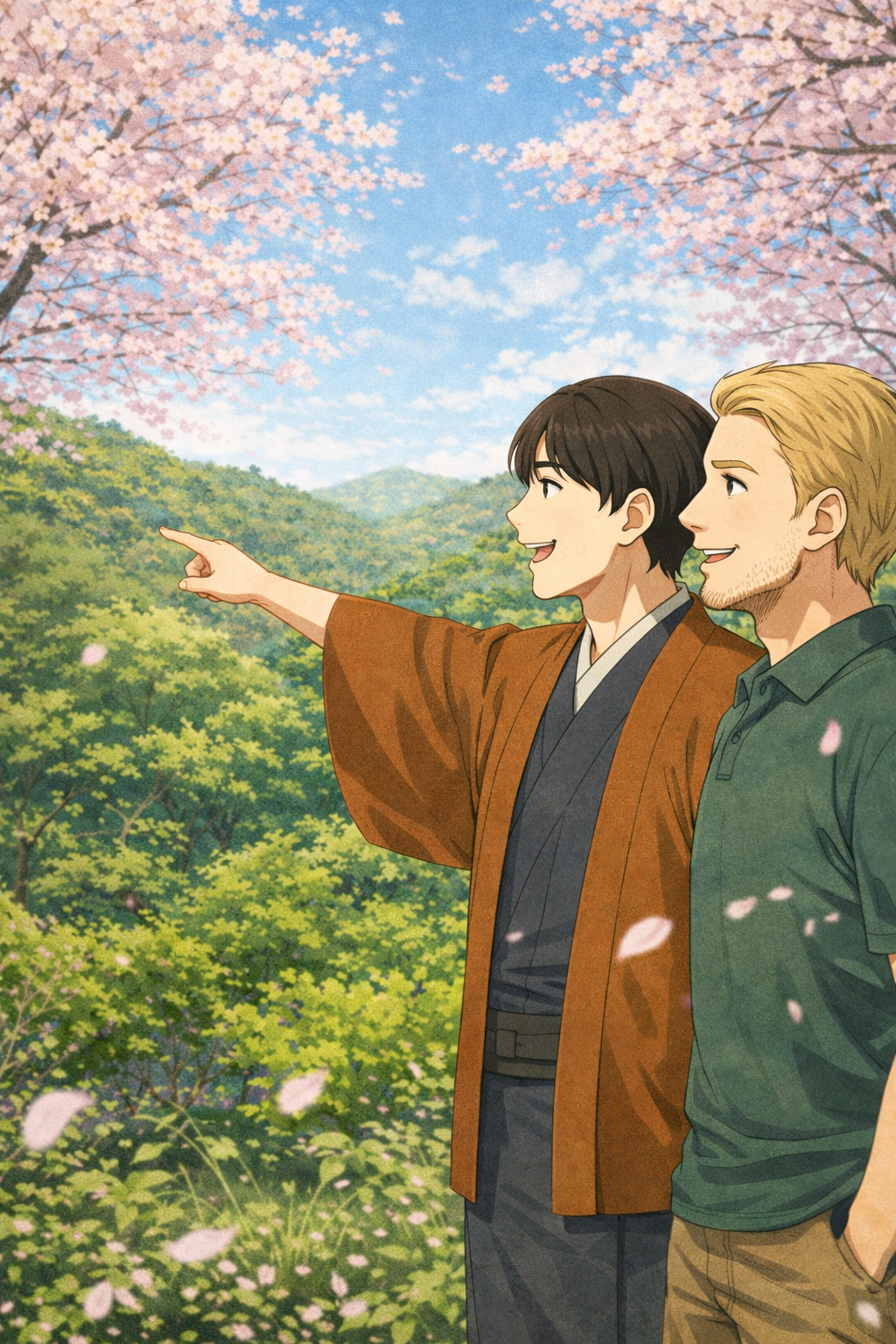
And of course, one of the most famous symbols of this season is sakura — cherry blossoms.
Cherry blossoms usually begin blooming from late March to early April in many parts of Japan. Their delicate pink flowers represent the fleeting beauty of life and have become one of the most iconic symbols of Japanese culture.
In many ways, the spirit of Yayoi perfectly matches the moment just before the cherry blossoms reach full bloom.
It is the quiet awakening before the full arrival of spring.
My Favorite Cherry Blossom Spots in Tokyo
Speaking of spring, one of the best ways to experience the feeling of Yayoi is by visiting places where cherry blossoms bloom across the city.
Tokyo has many famous sakura viewing spots, but a few locations stand out as particularly memorable.
One iconic location is Tokyo Skytree. Seeing cherry blossoms with the modern skyline of Tokyo in the background creates a fascinating contrast between traditional nature and contemporary city life. When the sakura trees bloom around the area, the scenery feels uniquely Tokyo.
Another well-known destination is Ueno Park. This park is one of the most famous cherry blossom spots in Japan and attracts large crowds every spring. During sakura season, the pathways become lined with pink blossoms, and many people gather under the trees to enjoy hanami, the traditional custom of cherry blossom viewing.
However, one of my personal favorites is Asukayama Park in Oji.
This park may not be as internationally famous as Ueno, but it has a long history as a cherry blossom viewing spot. In fact, Asukayama became popular for hanami during the Edo period when the shogun Tokugawa Yoshimune encouraged people to enjoy cherry blossom viewing there.
What makes Asukayama special is its relaxed and local atmosphere. Families, students, and local residents gather under the trees, enjoying food, conversation, and the beauty of the blossoms.
Walking through the park during sakura season truly captures the spirit of Yayoi — the feeling that spring has finally arrived.
Final Thoughts – A Word That Welcomes Spring

At first glance, Yayoi may simply appear to be an old-fashioned name for the month of March.
But when we look deeper, it reveals something much more meaningful.
Yayoi represents the quiet moment when nature begins to awaken, when plants start to grow again, and when the world slowly transitions from winter into spring.
It is a word shaped by centuries of cultural appreciation for nature, poetry, and seasonal beauty.
For people learning about Japanese culture, understanding words like Yayoi offers a window into how language can reflect the natural world.
If you ever visit Japan in March and begin to see flowers blooming or cherry blossom buds forming, remember this word.
Yayoi — a beautiful expression of spring’s gentle arrival.
Leave a Reply