
Contents
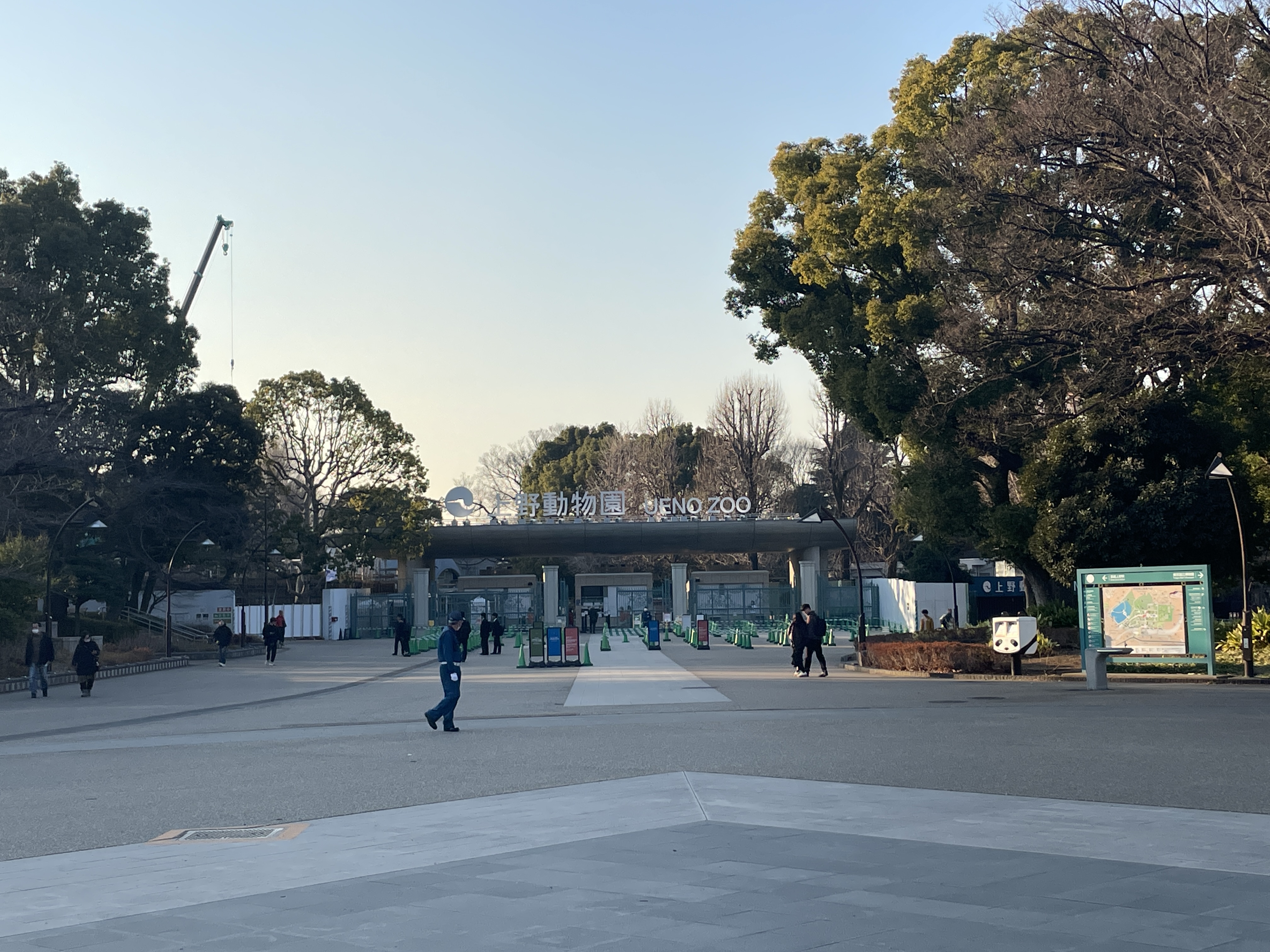
Ueno is one of a cultural city in Tokyo, Japan. Ueno has a lot of amusement spots such as park, street market, zoo, gallery. To take a walk, Ueno is the best!

Ueno is a neighborhood located in the Taito ward of Tokyo, Japan. It is known for its rich cultural heritage, diverse attractions, and bustling atmosphere. Ueno is a cultural hub with numerous museums and galleries. Apart from the Tokyo National Museum, which houses an extensive collection of Japanese art and artifacts, there are other institutions like the National Museum of Western Art, Tokyo Metropolitan Art Museum, and the Shitamachi Museum, which provide insights into various aspects of Japanese culture and history. I don’t feel bored even if I take a walk because there are many kinds of amusement spots.
2 weeks ago, I went to Ueno after my job to take a walk. When I was a junior high school student, I used to go to Ueno every summer vacation. I took Art class and the teacher gave student a homework: Go to art gallery and find your favorite art works. To review this situation, I went to the National Museum of Western Art at first.
1. The National Museum of Western Art

Established in 1959, it is the only national institution in Japan dedicated exclusively to Western art. The museum’s collection features an extensive array of Western artworks spanning from the Renaissance period to the early 20th century.
Designed by the renowned Swiss-French architect Le Corbusier, the museum building itself is considered a masterpiece of modern architecture and is designated as a UNESCO World Heritage Site. Its unique design incorporates elements of Le Corbusier’s architectural philosophy, including the use of geometric shapes, open spaces, and natural light to create a harmonious environment for experiencing art.
The NMWA’s collection includes works by prominent Western artists such as Claude Monet, Auguste Rodin, Vincent van Gogh, Pablo Picasso, and Rembrandt van Rijn, among others. Visitors can explore a diverse range of art forms, including paintings, sculptures, prints, and decorative arts, providing insights into the development and evolution of Western artistic traditions over the centuries.
In addition to its permanent collection, the museum also hosts special exhibitions, educational programs, and cultural events to further enrich visitors’ understanding and appreciation of Western art. With its rich artistic heritage, architectural significance, and commitment to promoting cross-cultural understanding, the National Museum of Western Art stands as a significant cultural landmark in Tokyo and a destination of interest for art enthusiasts from around the world.

Here is a Ticket Counter. Fee is reasonable.
Adult: ¥500,
Children who is under 18 years old and elder people who is over 65 years old: For Free.
Payment methods: Cash, Card, Suica(Transport Card)

I got a ticket so let’s go!


I went to this museum on weekdays. It’s not crowded compared to weekends and holiday season. On weekends, many families visit there because it’s close to Ueno park. During holiday season, many students visit there to complete vacation’s homework like me. When I visited there, there were many visitors from several countries from US,China, Korea, Philippine etc. So international atmosphere and at the same time, most of visitors select the National Museum of Western Art.


I love this calm and quite atmosphere. During my job, I was so busy that I couldn’t calm down. However, once I went to this museum, it was so quiet that I could focused on enjoying to see beautiful pictures and relax.
If you want to get more information, please go to the National Museum of Western Art’s official site.
2. The Tokyo National Museum

The Tokyo National Museum (TNM) is Japan’s oldest and largest museum, located in Ueno Park, Tokyo. Established in 1872, it houses an extensive collection of art and artifacts that showcase the rich cultural heritage of Japan and other Asian countries.
The museum’s vast collection includes a wide range of artifacts, including ancient pottery, ceramics, sculptures, textiles, paintings, calligraphy, armor, and archaeological finds. These items span various historical periods, from prehistoric times to the modern era, providing visitors with a comprehensive overview of Japanese art, history, and culture.
The Tokyo National Museum is organized into several specialized galleries, each focusing on different aspects of Japanese and Asian art. Some of the highlights of the museum’s collection include the following:
- Japanese Gallery: This gallery features a diverse range of Japanese art and artifacts, including samurai swords and armor, tea ceremony utensils, Noh masks, woodblock prints, and lacquerware.
- Asian Gallery: In addition to Japanese art, the museum also houses a significant collection of art and artifacts from other Asian countries, including China, Korea, India, and Southeast Asia. This gallery showcases the cultural exchange and influences between Japan and its neighboring countries throughout history.
- Special Exhibitions: The Tokyo National Museum regularly hosts special exhibitions that highlight specific themes, artists, or historical periods. These exhibitions offer visitors the opportunity to explore unique aspects of Japanese and Asian art that may not be part of the museum’s permanent collection.
- Honkan (Japanese Gallery): This historic building, designed by the renowned architect Jin Watanabe, houses some of the museum’s most prized artifacts, including ancient Buddhist sculptures, ceramics, and paintings.
- Toyokan (Asian Gallery): This gallery specializes in Asian art and artifacts, with a focus on the cultural exchange and interactions between Japan and other Asian countries over the centuries.
Ticket Fee
Adult: ¥1,000
Actually, I visited this museum after 3:30 PM so I didn’t have enough time to go around. I only visited Asian Gallery and Japanese Gallery.


Asian gallery was such a outstanding place. I took world history class during high school student. All exhibits were like works on a textbook. To walk around Asian Gallery, I want to go to China and Cambodia to go to World heritage site.


Here is the Japanese Gallery. To begin with, I went to second floor because the starting spot is actually second floor. This gallery introduce a flow of Japanese history from ancient era to Edo, Meiji period.
It’s unrealistic. I think Japanese historical art is completely different to other countries’ works. It’s,,, how can I say,,, so tranquility, not colorful, it’s monotonous but feel relax. It’s ZEN. Most of visitors especially from other countries were taking photos. I sympathized with them.
Overall, the Tokyo National Museum serves as a vital institution for preserving, researching, and promoting the cultural heritage of Japan and Asia. With its diverse collection and educational programs, it offers visitors a fascinating journey through the art, history, and traditions of the region.
If you want to get more information, please visit The Tokyo National Museum’s website.
3. Ameyoko Street

Actually, I went to Ameyoko last year’s eve so I don’t write more. However, it’s enthusiastic street. There are many fresh seafoods, many Izakaya so, why don’t you visit this street!
4. Ueno Park

Finally, I reunited friends of mine! I met them during undergraduate. We didn’t meet each other because our job is different and lifestyle is also different. Fortunately, our schedule was beneficial. We went to a bar and after that, we took a walk around Ueno Park. The park is so huge that we took about 2 hours to walk around and chat.
That’s the end of the introduction of Ueno. As you can see, it takes a lot of time to go around famous spots. I recommend you to spend all one day. Ueno also has cafe so go to a museum, have a lunch, go to a museum, go to a street market in the afternoon, go to Izakaya, and take a walk at night. What’s a nice tour course isn’t it?
If you’re interested in and you’ve already been to Ueno, please leave your comment!

Leave a Reply