
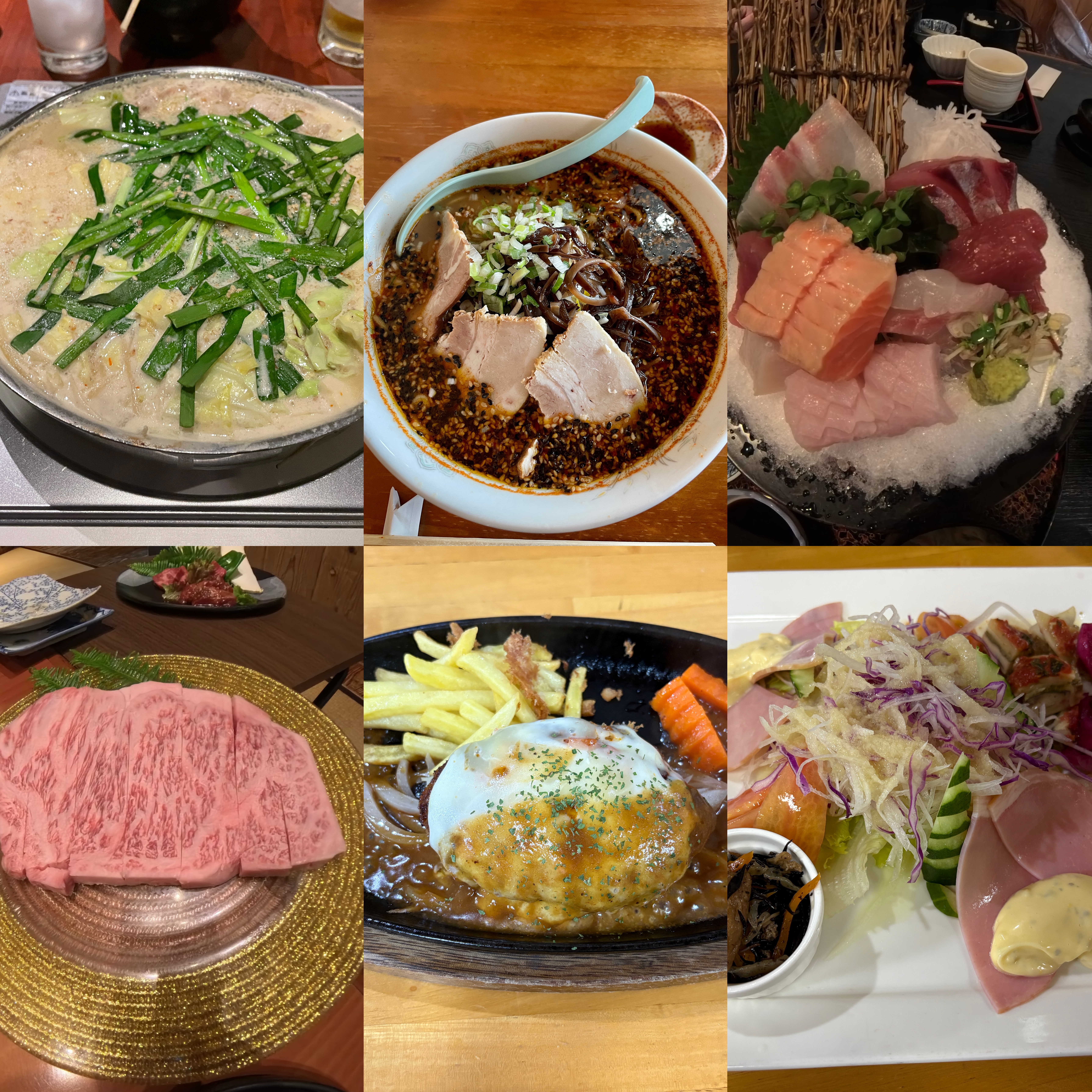
Discover where locals dine: from melt-in-your-mouth yakiniku to ocean-fresh teishoku. An elegant, magazine-style guide for the curious traveler.
Contents
- Introduction — Why Kagoshima Belongs on Every Food Lover’s Map
- 1. Motsunabe Tatsu — A Hakata Classic Reborn in Kagoshima
- 2. Kagoshima Ramen — A Local Take on Tonkotsu (with an important note)
- 3. Yama no Fumoto Restaurant (Mountain-Foot Restaurant) — Country Comfort with Culinary Pride
- 4. Haniwa Teishoku — A Celebrity-Loved Seafood Teishoku in Yusui Town
- 5. Eirakuso Yakiniku — The Mountain Hideaway Where Meat Melts on Your Tongue
- Practical Travel Tips for Food Lovers
- Closing — Rediscover Japan Through Kagoshima’s Table
Introduction — Why Kagoshima Belongs on Every Food Lover’s Map
When travelers plan a culinary trip to Japan, Tokyo, Osaka and Kyoto often top the lists. But for those searching for an authentic, less-crowded food experience, Kagoshima offers something rare: a concentrated regional identity expressed through meat, seafood, and humble local kitchens that take pride in provenance and technique. Nestled at the southern tip of Kyushu, Kagoshima’s varied landscape — a dramatic coastline, volcanic soils and verdant foothills — produces ingredients that define its cuisine. The result is a gastronomic palette that tastes of place: succulent Kuroge beef from nearby farms; richly flavored Kurobuta (black pork); the freshest coastal seafood; and regional takes on classic dishes such as tonkotsu ramen and hot pot. For travelers who want to escape tourist circuits and eat like locals, Kagoshima rewards curiosity with memorable — and often surprisingly affordable — meals.
In this feature I share five restaurants I personally recommend across Kagoshima prefecture — handpicked places that illustrate the region’s diversity: a Hakata-style motsunabe that landed in Kagoshima, a tribute to the local ramen culture (noting a recent closure but pointing to the thriving scene), a countryside “home” restaurant where comfort food shines, a celebrated coastal teishoku beloved by visiting celebrities, and a mountain-side yakiniku that serves top-grade local meat at astonishing value. Each entry blends atmosphere, signature dishes, practical travel notes and why it matters for international visitors. Save this guide, add them to your itinerary, and plan for reservations where noted — regional favorites can fill fast, especially on weekends and holidays.
***Are you looking for restaurants in Kagoshima area? Ikkyu will help you!***

1. Motsunabe Tatsu — A Hakata Classic Reborn in Kagoshima

If you think of motsunabe (beef/pork small-intestine hot pot) as a Fukuoka specialty, think again: the rich, warming hot pot has fans across Kyushu, and Motsunabe Tatsu (often written もつ鍋 たつ) has made a name for itself in Kagoshima City. Located within easy reach of city center tram stops, the restaurant channels the hearty, communal spirit of Hakata motsunabe while adapting flavors for the Kagoshima palate. The menu centers on a robust miso-based broth — perfect for colder months — layered with garlic, chili, generous scallions and glistening, tender offal that’s been cleaned and prepared to a delicate texture.
What makes this spot stand out for foreign visitors is threefold. First, the broth balance is approachable: while deeply flavored, the miso base is not overwhelmingly heavy, so it pairs well with rice and beer. Second, the seating and vibe are intimate and lively — ideal for groups and solo travelers who want a sociable meal. Third, the staff are used to serving visitors and can guide you through ordering: choose a medium or large pot based on party size, and don’t skip the post-pot ramen or udon — noodles that soak up the broth at the end are a ritualistic finale. Practical tips: come early on weekend evenings or reserve in advance, especially in winter when motsunabe is most popular.

(Cite: local listing / Tabelog entry.)
What to order: Miso motsunabe for sharing; add shirataki and cabbage; finish with champon or udon noodles.
Atmosphere: Warm, bustling; izakaya-style service; comfortable for groups.
Why it matters: Motsunabe is a Kyushu ritual; this Kagoshima branch offers a gateway into regional hot-pot culture without leaving the city.
2. Kagoshima Ramen — A Local Take on Tonkotsu (with an important note)

Ramen is Japan’s universal comfort food, but every region interprets it slightly differently. In Kagoshima the tonkotsu influence is clear — bone broth made with pork yields depth — but the mouthfeel often trends a touch lighter than the dense Hakata style, creating a broth that’s rich but easier for repeated slurps. Another local hallmark is the use of black-pork chashu: Kurobuta yields a sweet, tender slice that elevates each bowl.
A practical note for readers: one of the small, much-loved local ramen shops I visited earlier this year has since closed permanently — a reminder that regional restaurant scenes evolve quickly. Still, Kagoshima’s ramen culture remains vibrant, with many welcoming shops across the city and prefecture that preserve the approachable tonkotsu style. When hunting for the best local bowl, look for simple signs: a clear, balanced pork broth, firm thin noodles, and a house chashu that showcases local pork. Locals often favor shops that serve strikingly fresh broth poured daily.

(For general background on Kagoshima ramen and regional taste profiles see local food guides.)
What to order: Tonkotsu ramen with Kurobuta chashu; try any specialty ramen that features local pork or seafood stock variations.
Atmosphere: From tiny counters to casual family restaurants — ramen in Kagoshima is democratic and comforting.
Why it matters: Ramen demonstrates how regional ingredients (like Kurobuta) change a national dish into a local signature.
(Travel note: because small restaurants open and close, confirm current opening hours online or by phone before visiting.)
3. Yama no Fumoto Restaurant (Mountain-Foot Restaurant) — Country Comfort with Culinary Pride

Tucked into the foothills of the Kirishima mountain range, Yama no Fumoto (the mountain-foot restaurant) is the archetype of countryside dining: warm, inviting and rooted in local produce. It reads like a chef’s love letter to home cooking — a place where the flavors are as much about the people and landscape as the recipes. The menu leans toward Western-style comfort fare: thick, juicy hamburg steaks that emphasize meat quality, a house curry with layered spice and umami, and seasonal sides showcasing regional vegetables and pickles.

What sets this restaurant apart is its dual role as both comforting “home” and culinary stage. The owners source ingredients from neighboring farms and highlight Kagoshima beef and pork when possible. The result is food that’s genuinely rustic but executed with care — think an elevated home-style hamburger where the meat is hand-formed, perfectly seared, and paired with a light demi-glace reduction; or a curry that sings of slow-simmered stock and local sweetness. For international travelers, there’s an instant sense of calm: bright wooden interiors, a modest counter, and few tourist crowds. Staff are typically friendly and patient; English may be limited, but the warm hospitality bridges any language gap.

Practical tips: this is the kind of place best visited mid-day — lunch sets are excellent value — and it’s perfect as a detour if you’re exploring Kirishima’s natural sights. (Cite: local Tabelog / regional listing.)
What to order: Thick hamburg steak (meat-forward), house curry, seasonal vegetable plates.
Atmosphere: Homely and restorative; perfect for slow, lingering lunches.
Why it matters: It encapsulates the “eat local” ethos — place, provenance, and slow hospitality.

4. Haniwa Teishoku — A Celebrity-Loved Seafood Teishoku in Yusui Town

For travelers who want a definitive introduction to Kagoshima’s coastal bounty without the fuss of a high-end sushi bar, Haniwa Teishoku (お食事処 はにわ) in Yusui Town is a revelation. Purportedly favored by visiting celebrities and known for hosting dignitaries, Haniwa is a working town teishoku (set-meal) restaurant elevated by the owner’s passionate commitment to fisheries education and sourcing. The owner reportedly teaches about local fisheries in schools — a fact that underscores how food culture in Kagoshima is inseparable from community and stewardship.

At Haniwa the menu centers on seafood: generous kaisendon (seafood bowls), nigiri, and seasonal sashimi plates built from fresh landings. The kitchen shows real respect for texture and balance — fish is served with judicious seasoning and temperature control that preserves natural sweetness. In addition to seafood, Haniwa features local pork preparations (including dishes using the well-regarded Sakura-shima pork) and classic teishoku accompaniments: miso soup, pickles and rice that composes the plate into a satisfying whole.

What to expect: a bustling lunchtime crowd (arrive early on weekends), a friendly but efficient service, and simple, characterful interiors that let the food shine. There’s something quietly upscale about a place that can feed a busy crowd while being meticulous about fish quality; it’s the hallmark of long-term local pride. For visitors, Haniwa is a chance to taste Kagoshima’s ocean identity in a neighborhood setting rather than a tourist zone — and to sit where locals eat when they want the best daily catch.
(Cite: Haniwa official site and listings.)
What to order: Kaisendon (assorted seafood bowl), seasonal sashimi set, or the chef’s recommended teishoku.
Atmosphere: Local, bustling, proudly regional — you’ll find long-time customers and repeat visitors.
Why it matters: Haniwa expresses coastal Kagoshima: freshness, community ties and a focus on fish-ery sustainability.
5. Eirakuso Yakiniku — The Mountain Hideaway Where Meat Melts on Your Tongue

If there’s a single meal in Kagoshima that exemplifies the prefecture’s reputation for extraordinary meat, it’s a yakiniku dinner at Eirakuso (地鶏の里 永楽荘). Tucked into the foothills of Kirishima with a setting that feels private and green, this restaurant curates a parade of Kagoshima’s best proteins: Kuroge wagyu (black cattle), Kurobuta pork, and Satsuma jidori chicken. The tone is unpretentious yet exacting — cuts are selected, thinly sliced or prepared at the ideal thickness, and served with guidance on how to grill and when to remove from the heat. The payoff is immediate: melts-in-the-mouth textures and the genuine sensation of farm-to-grill quality.

Eirakuso’s approach is particularly compelling for international guests because the experience answers two questions: where can I taste Kagoshima beef at its best, and where can I do it without a luxury price tag? Portions and set menus are designed for sharing, and the value comparison is striking: dishes that would command premium prices in Tokyo are often available at more accessible costs here. Still, reservations are essential — this is a favorite for locals and domestic food-travelers alike. The property’s rural charm (private rooms, wooden interiors, verdant views) makes the dinner feel like a special occasion even if the menu is straightforward.

Dining tips: ask for recommended doneness for each cut; start with lighter cuts and progress to richer marbled pieces; use minimal condiments to savor the natural fat-flavor of Kuroge beef. If you can, pair with a local shochu or a crisp Japanese lager. (Cite: Eirakuso official site and listings.)
What to order: Omakase yakiniku set featuring Kuroge beef and Kurobuta; Satsuma jidori skewers or grilled pieces.
Atmosphere: Hidden, wood-framed, intimate — perfect for groups and celebrations.
Why it matters: A quintessential meat experience showcasing why Kagoshima is a destination for carnivores.
Practical Travel Tips for Food Lovers
Reservations & timing: Several Kagoshima gems — particularly those with local celebrity followings or rural single-venue operations — require reservations, especially on weekends and during holiday periods. For yakiniku and motsunabe in winter, book ahead.
(Cite: restaurant pages recommending reservations.)
Getting around: Kagoshima city has a compact center accessible by tram and bus, but several outstanding restaurants are best reached by car (or by local trains/buses plus a short taxi ride). If you plan day trips to Kirishima or Yusui, consider renting a car for flexibility.
Language: English signage is limited outside major tourist sites; a friendly phrase or a downloaded translation app goes a long way. Pointing at menu photos, ordering set meals, or asking staff for “recommendation” (osusume) usually works well.
What to bring home: Kagoshima produces excellent shochu, Kurobuta-based snacks, and packaged seafood — all great souvenirs that reflect the region’s flavors. (Cite: Kagoshima tourism page.)
Closing — Rediscover Japan Through Kagoshima’s Table
Kagoshima invites travelers to slow down, taste deeply and appreciate how geography shapes flavor. From the communal warmth of motsunabe to the sea-fresh precision of Haniwa’s teishoku, the region rewards explorers who seek authenticity over trendiness. These five restaurants are entry points — each reveals a facet of Kagoshima’s culinary identity and, together, tell a story of land, sea and craft. Book ahead, bring an appetite for both bold and subtle flavors, and let Kagoshima surprise you: it’s not merely an add-on; it’s a destination in its own right. Save this guide, use the keywords below for planning, and start mapping your food journey.

Leave a Reply