
Tag: japaneseculture
-
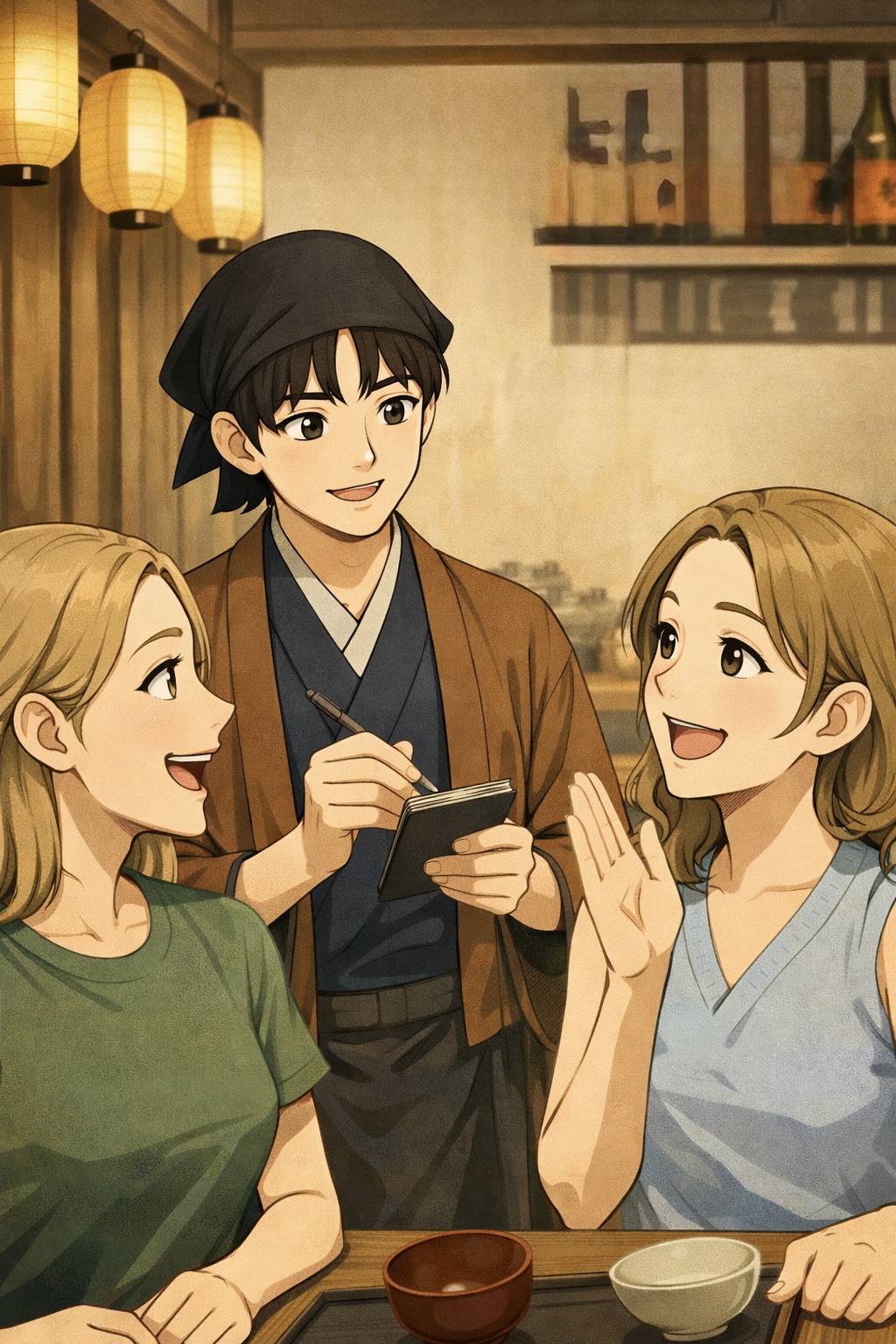
Essential Japanese Phrases for Izakaya: Speak Like a Local in Japan
If you’re planning to visit Japan, experiencing an izakaya is a must.An izakaya is a casual Japanese-style pub where people gather to enjoy drinks, small dishes, and good conversation. But here’s the thing—many menus are in Japanese, and not all staff speak fluent English. Don’t worry. With just a few simple Japanese phrases, you can…
-

A Vegan-Friendly Ramen Experience at Tokyo Ramen Street: Soranoiro
Tokyo is often considered one of the best cities in the world for ramen. From rich tonkotsu broths to delicate shio soups, the variety of ramen styles across the city is incredible. For travelers visiting Japan, trying ramen is almost a mandatory food experience. However, ramen also has a reputation for being difficult to enjoy…
-
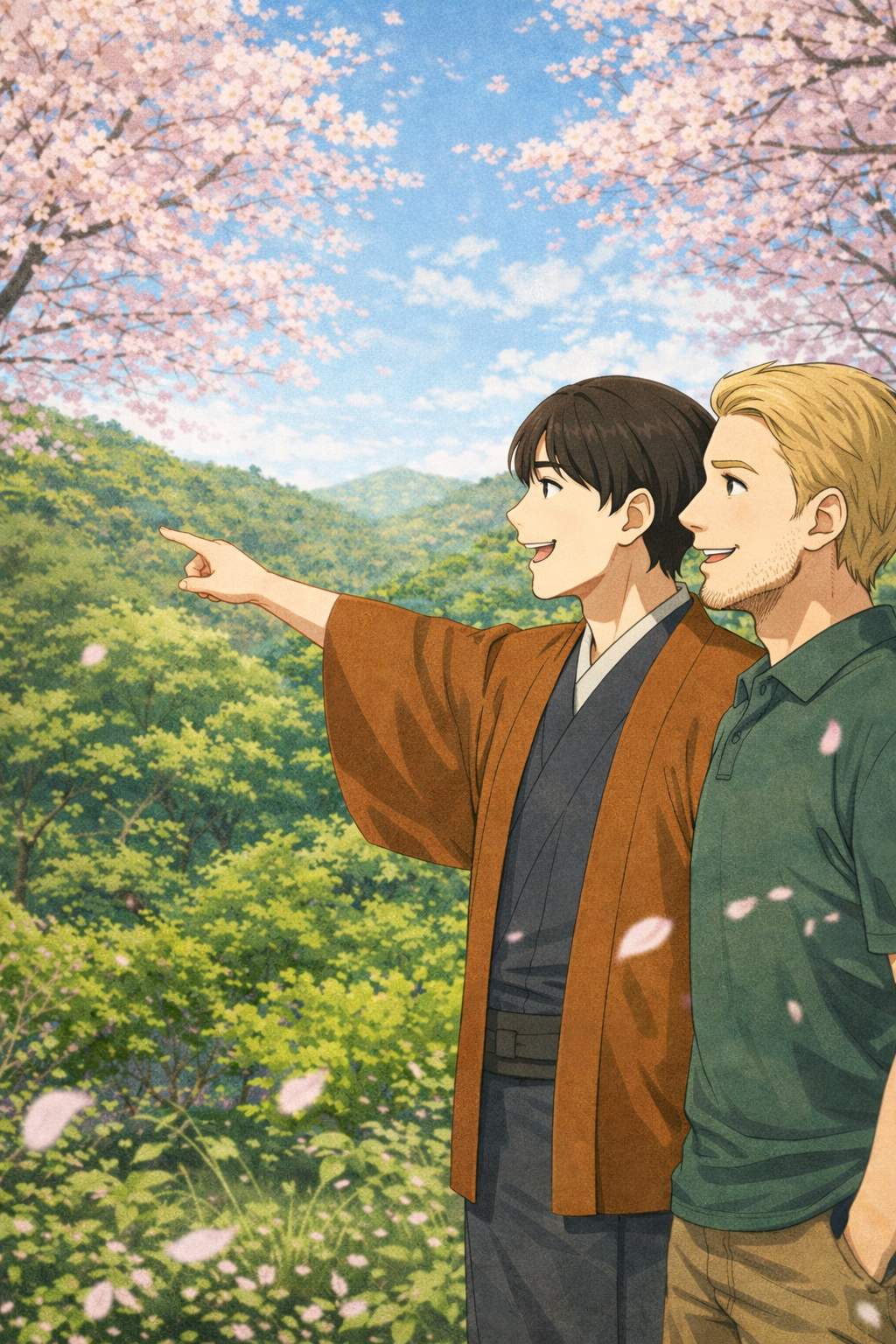
What Is Yayoi? The Traditional Japanese Word for March Explained
Introduction – The Poetry of Japanese Seasonal Names When people think about months, they usually think of numbers on a calendar: January, February, March. But in Japan, months have traditionally been expressed in a much more poetic way. Before the modern calendar system was adopted, Japan used traditional seasonal month names, known as wafū getsumei.…
-
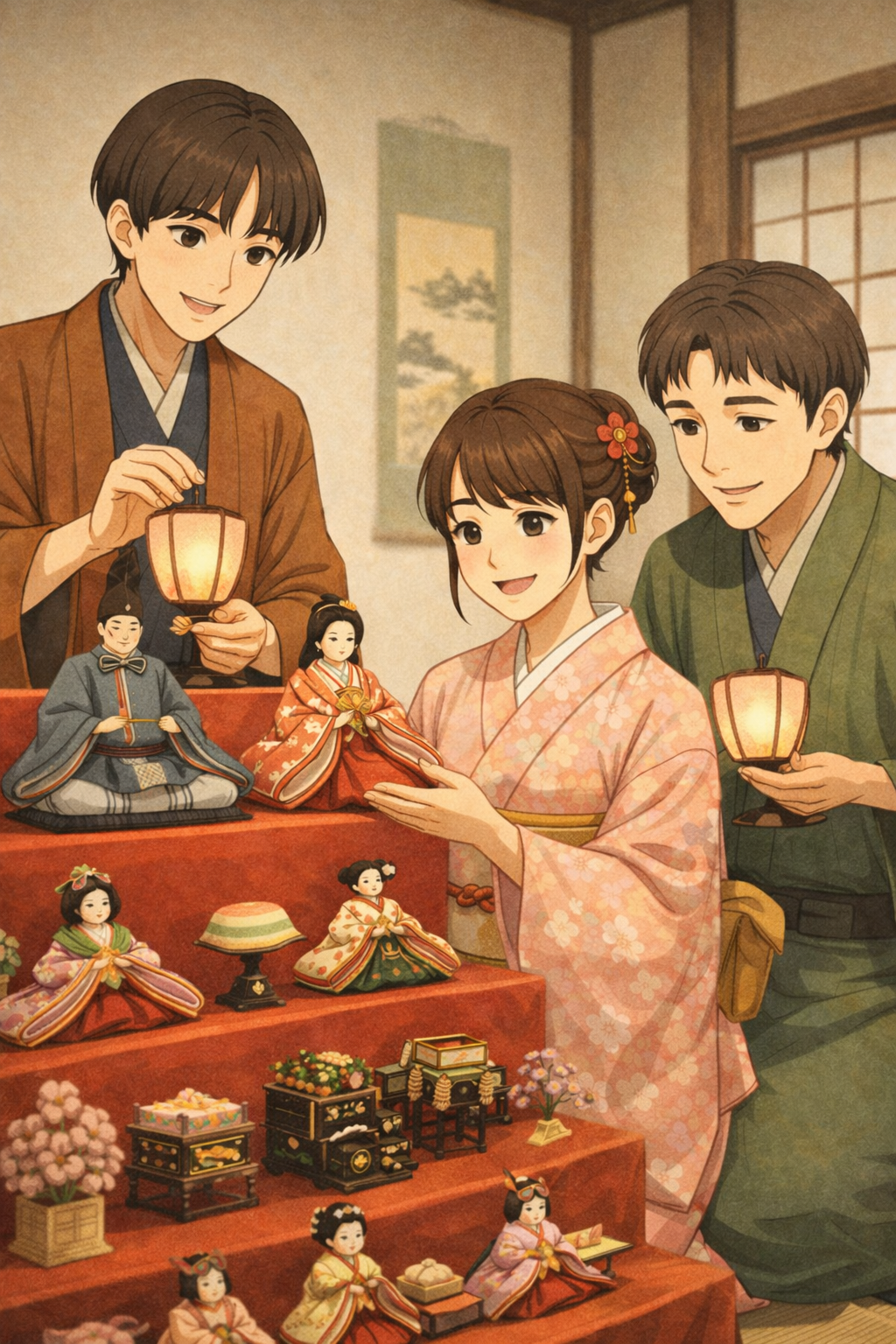
Hinamatsuri: Japan’s Beautiful Doll Festival Celebrating Girls and Spring
Introduction – A Beautiful Tradition You Might See While Traveling in Japan If you visit Japan in early March, you may notice something beautiful displayed in homes, hotels, department stores, or even traditional inns. Elegant dolls dressed in colorful kimono are carefully arranged on red platforms, creating a scene that feels almost like stepping back…
-
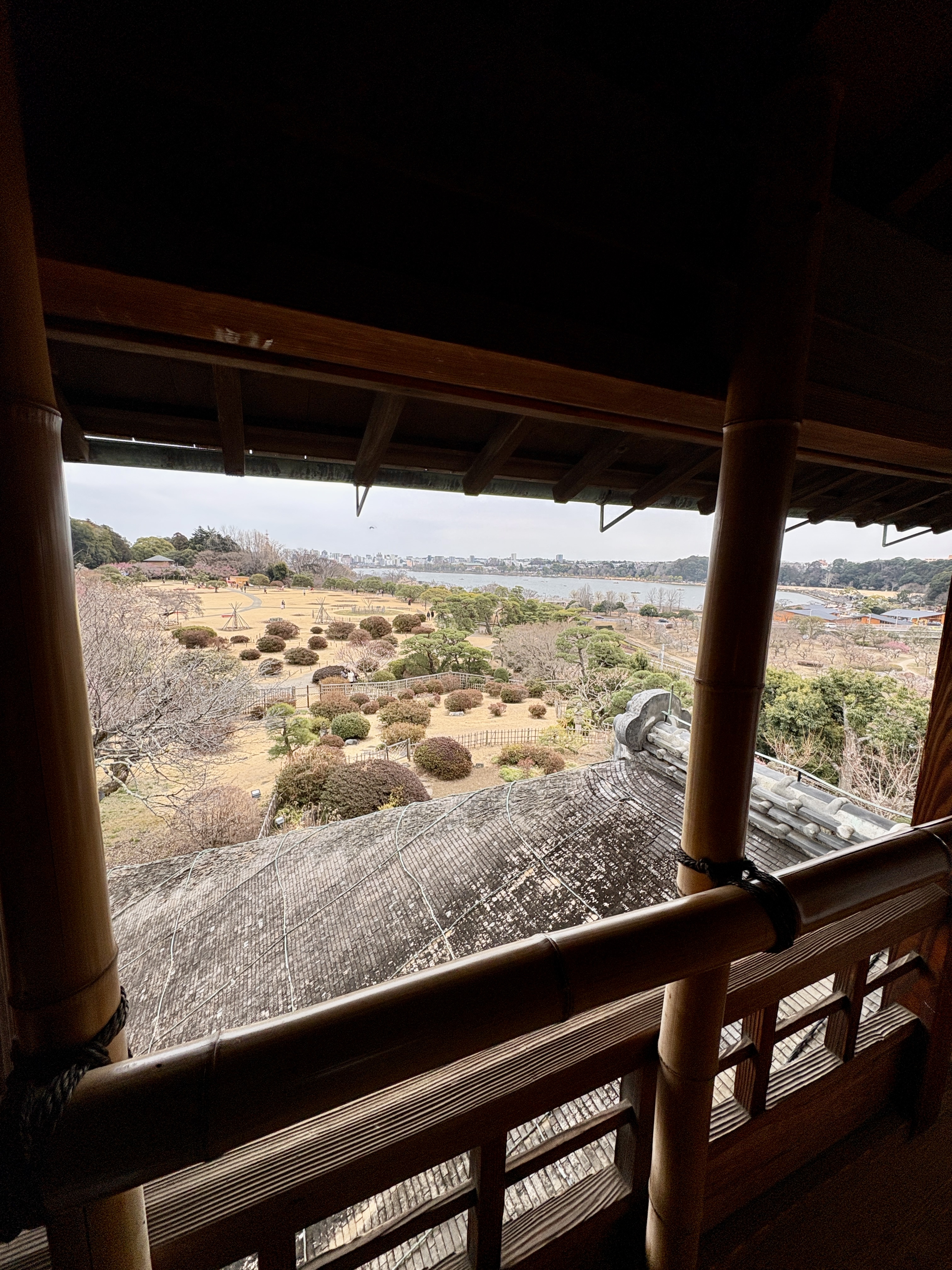
Kobuntei at Kairakuen: Where Plum Blossoms and Scholarship Bloom Together
When you first arrive at Kairakuen in February, your attention naturally drifts upward — toward the pale pink and white plum blossoms floating against a winter sky. But if you stop there, you miss the quiet center of the garden. Hidden within the plum groves stands Kobuntei, a historic villa built in 1842 by Tokugawa…
-

Tokiwa Shrine in Mito: A Quiet Spiritual Stop Within Kairakuen
When people visit Kairakuen in February, they usually come for the plum blossoms. Soft pink. White petals. A quiet sign that spring has begun. But just beside the famous plum groves, there is another place that many first-time visitors almost overlook — a place that adds depth, history, and spiritual calm to the experience. That…
-
What Is Ehomaki? A Simple Guide to Japan’s February Sushi Tradition
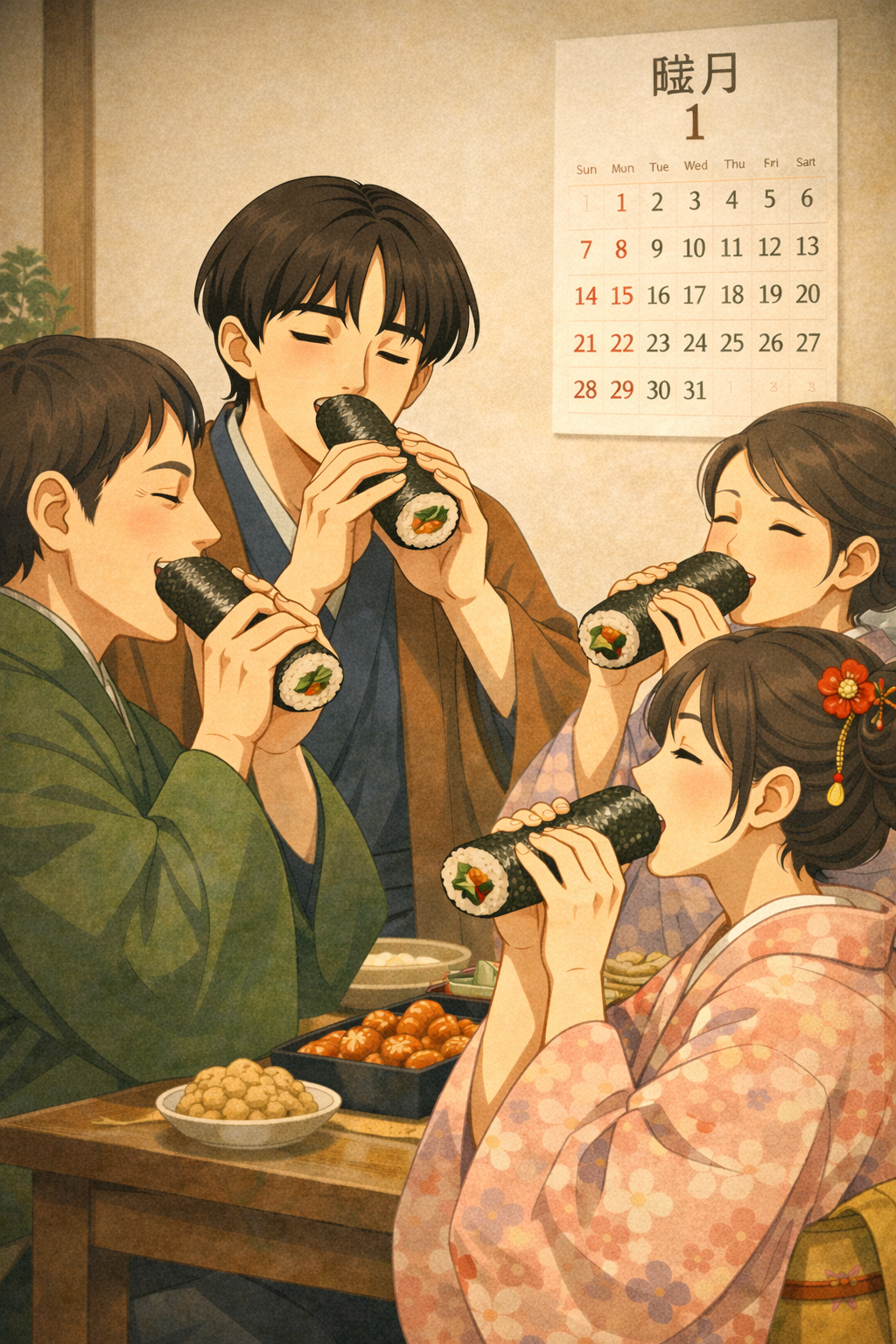
Why Ehomaki Feels Confusing at First on 3rd February? If you have heard about Ehomaki before, you probably have a vague image in your mind: a thick sushi roll, eaten in February, while facing a specific direction.But when you actually try to understand it, things start to feel a little confusing, don’t they? People mention…
-

Sapporo Central Wholesale Market: A Practical Guide to Visiting a Real Local Market with Confidence
Why Sapporo Central Wholesale Market Feels Intimidating at First If you are planning a trip to Sapporo, you may have come across the phrase “wholesale market” and felt a quiet sense of hesitation. The word itself sounds serious, professional, and deeply local, which can make you wonder whether this is a place meant only for…
-
Seijin Shiki Explained: Japan’s Coming of Age Ceremony From Ancient Rituals to Modern Celebrations
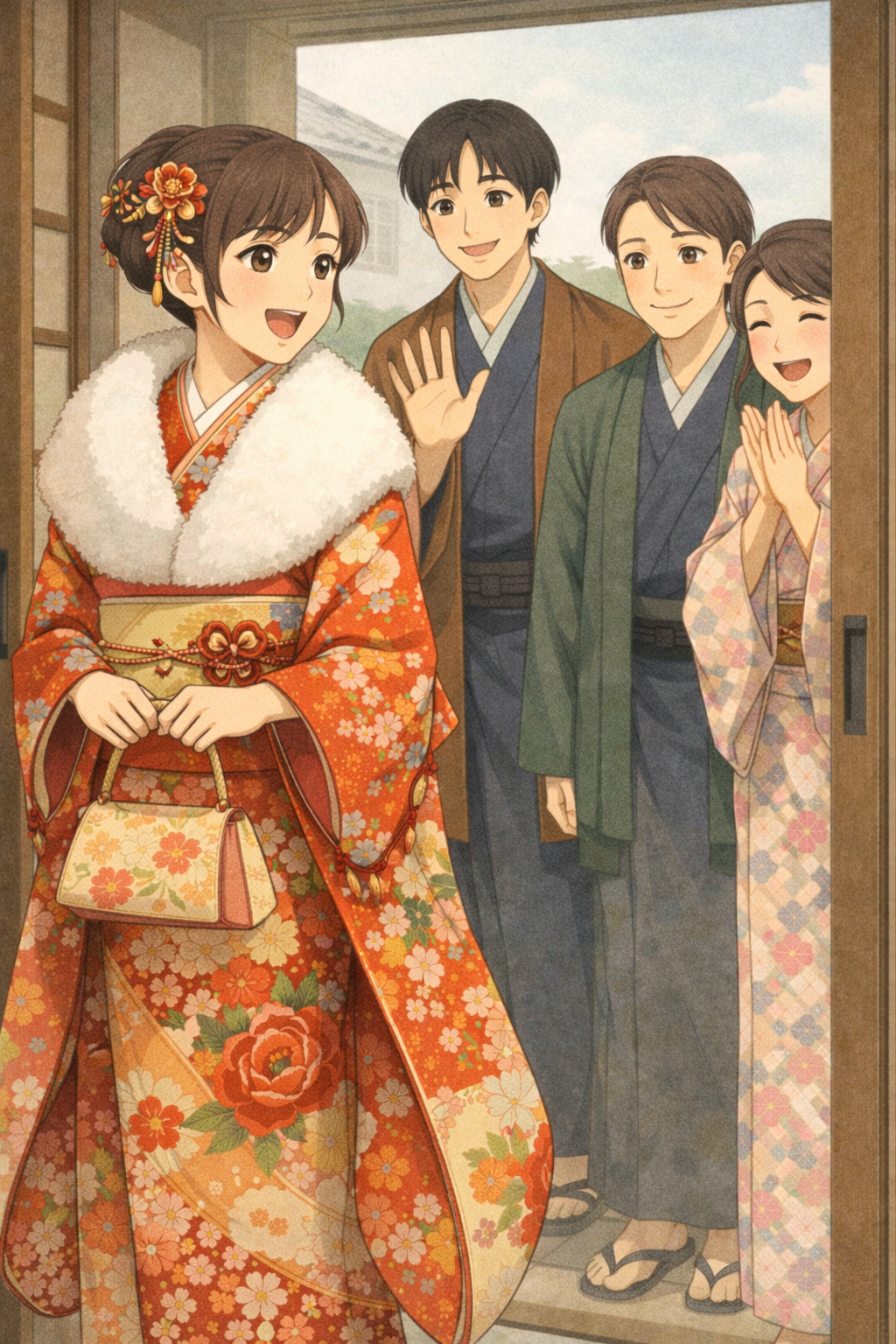
Every January, across Japan, young people dressed in elegant kimonos and sharp suits gather to celebrate a major milestone in their lives. This event is called Seijin Shiki, Japan’s Coming of Age Ceremony.At first glance, it may look like a beautiful cultural festival—but behind it lies more than a thousand years of history, family bonds,…
-

Why Do Japanese People Eat Mochi at New Year?
The History, Meaning, and Culture Behind Mochi When people see mochi pounding in Japan, it often looks lively, fun, and energetic. Wooden mallets swing down in rhythm, steam rises from freshly pounded rice, and everyone cheers together. But mochi is more than just a chewy rice cake. For Japanese people, especially during the New Year,…