
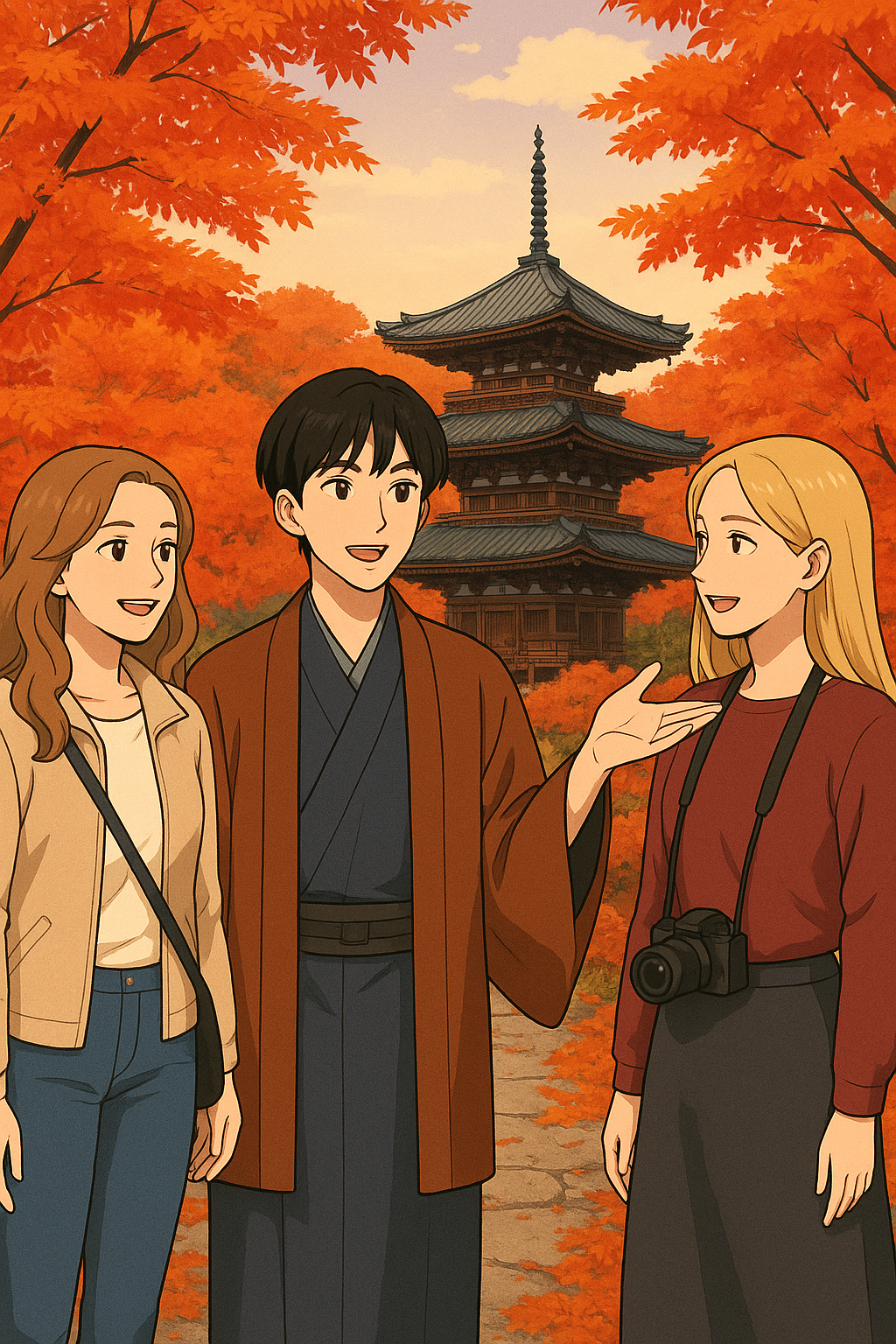
Introduction: Why Autumn in Japan is So Magical
When travelers think of Japan, the image that often comes to mind is cherry blossoms in spring. Yet, those who have experienced autumn here know that fall is equally breathtaking—if not more. Crisp blue skies, comfortable temperatures, and an explosion of colors across mountains, temples, and city parks make autumn one of the best times to visit Japan. From September to early December, depending on the region, you can witness the dramatic transformation of nature as leaves turn vibrant shades of red, orange, and gold.
Beyond the stunning scenery, autumn in Japan is also about food, festivals, and seasonal experiences. Imagine enjoying a steaming bowl of mushroom rice after a long hike, or soaking in a hot spring while surrounded by fiery maple trees. This combination of natural beauty, cultural richness, and culinary delights makes fall a season that should not be missed.
In this article, we will explore the best activities to enjoy during autumn in Japan, followed by a detailed 2025 Fall Foliage Forecast to help you plan your trip. Whether you’re a first-time visitor or a seasoned traveler, these insights will help you make the most of your journey.
***Are you looking for hotel in Japan? Agoda and Ikkyu will help you!***

1. Best Autumn Activities in Japan
1. Hiking & Nature Walks
Japan is blessed with diverse landscapes, from rugged mountains to serene valleys, making it an ideal destination for hiking in autumn. As the leaves change color, trails become natural art galleries, each turn offering a new perspective. Popular hikes include Mount Takao, just an hour from central Tokyo, which combines accessibility with panoramic views. More adventurous travelers might consider trekking through Kamikōchi in Nagano, where the dramatic peaks of the Japanese Alps are framed by golden larch trees and scarlet maples.
What makes autumn hiking so special in Japan is the way nature and culture blend. Trails often lead to shrines, temples, or hot spring villages, meaning your journey ends not only with beautiful views but also with a cultural or relaxing reward. Remember to wear layers—mornings and evenings can be chilly even when the sun is warm during the day.

2. Visiting Temples & Shrines
If there is one image that captures the spirit of autumn in Japan, it is the sight of scarlet maple leaves cascading around centuries-old temples. Kyoto, the ancient capital, is the most famous place for this experience. Landmarks such as Kiyomizudera, Eikando, and Tofukuji transform into dreamlike scenes each November. In the evening, many temples hold special “illumination events” where lanterns and lights highlight the autumn foliage, creating an almost otherworldly atmosphere.
Outside Kyoto, Nikko is another excellent destination. Its shrines and temples, decorated with intricate carvings and set against a mountainous backdrop, feel especially enchanting when framed by golden ginkgo trees. Even smaller, lesser-known shrines in the countryside can be magical during this season, often with fewer crowds and a stronger sense of peace.
When visiting, don’t just look—listen. The crunch of fallen leaves underfoot and the sound of temple bells create a multisensory experience that stays with you long after you’ve returned home.

3. Relaxing in Hot Springs (Onsen)
Few experiences are as uniquely Japanese as soaking in an outdoor hot spring bath, especially when surrounded by colorful autumn leaves. The steam rising into crisp autumn air, the scent of mineral-rich water, and the view of fiery maple trees combine into pure relaxation.
Famous hot spring towns such as Hakone, Kusatsu, and Yufuin are particularly popular in autumn. Many ryokan (traditional inns) feature open-air baths facing wooded hillsides, allowing guests to enjoy the season without even leaving their accommodation. In northern regions like Hokkaido, hot springs set in volcanic landscapes add an extra dramatic touch, with crimson leaves reflecting on tranquil ponds or rivers.
It’s not just about the scenery—the rhythm of soaking, resting, and sipping seasonal tea or sake afterward embodies the Japanese philosophy of harmony with nature. If you’re visiting Japan in fall, adding at least one onsen stay to your itinerary is highly recommended.
4. Enjoying Seasonal Food
Autumn is often called shokuyoku no aki in Japanese, which translates to “the season of hearty appetites.” Farmers harvest rice, chestnuts, mushrooms, and sweet potatoes during this time, and local restaurants and food stalls celebrate with seasonal menus.
Imagine walking through a market and smelling roasted sweet potatoes wrapped in crisp paper, or tasting a warm bowl of miso soup filled with matsutake mushrooms, one of Japan’s most prized autumn delicacies. In Kyoto, wagashi (traditional sweets) often take the shape of maple leaves, while in Hokkaido, autumn means the arrival of salmon roe and sea urchin at their freshest.
Street festivals and local events make food an essential part of the autumn experience. From sweet potato fairs in Saitama to chestnut festivals in Nagano, you’ll find plenty of opportunities to eat your way through the season.

5. Participating in Autumn Festivals
Beyond nature and food, autumn is also a season of celebration. Many shrines host harvest festivals, where locals thank the gods for a successful year. These events often feature parades, portable shrines (mikoshi), traditional dances, and music. For visitors, it’s a chance to witness Japanese culture in its most lively form.
One famous example is the Jidai Matsuri in Kyoto, held in October, which reenacts the city’s history with participants dressed in costumes from different eras. In November, you might also encounter chrysanthemum exhibitions, as the flower is considered a symbol of autumn.
These festivals are less crowded than the famous cherry blossom parties of spring, offering a more relaxed but equally memorable cultural experience.
2. 2025 Autumn Leaves Forecast 🍂
Planning the timing of your trip is crucial. Japan stretches over 3,000 kilometers from north to south, so the leaves begin to change in Hokkaido as early as mid-September and reach southern regions like Kyushu by late November. Here’s the forecast for 2025:
📍 Hokkaido
- Best spots: Lake Ōnuma, Eniwa Gorge, Daisetsuzan National Park
- Best time: Mid September – End October
📍 Tohoku (Aomori, Akita, Yamagata)
- Best spots: Ōirase Stream, Mount Hakkōda, Zao Onsen
- Best time: Mid October – Early November
📍 Kanto (Tokyo, Nikko, Hakone)
- Best spots: Nikko Toshogu Shrine, Mount Takao, Hakone Open-Air Museum
- Best time: Mid November – Early December
📍 Chubu (Nagano, Kanazawa, Takayama)
- Best spots: Kamikōchi, Kenrokuen Garden, Shirakawa-go
- Best time: Late October – Mid November
📍 Kansai (Kyoto, Nara, Osaka)
- Best spots: Arashiyama Bamboo Grove with riverside maples, Nara Park, Osaka Castle Park
- Best time: Late November – Early December
📍 Kyushu
- Best spots: Mount Aso, Yufuin Onsen, Kuju Mountains
- Best time: Mid November – Early December
Tip: Weather can shift peak colors by a week or two, so always check updated forecasts before traveling.

3. Tips for Autumn Travel in Japan
- Book early: Hotels and ryokan fill up quickly during peak foliage weeks.
- Dress in layers: Days can be warm, but mornings and evenings are chilly.
- Go early in the day: Popular spots like Kyoto’s temples or Nikko get crowded by late morning.
- Bring cash: Many food stalls and local events still operate on cash only.
- Capture the moment: Autumn light is soft and golden, perfect for photography.
4. Conclusion: Experience Japan at Its Best
Autumn in Japan is not just a season—it is a celebration of beauty, culture, and life itself. Whether you are wandering through temple grounds carpeted in scarlet leaves, relaxing in a steaming onsen, hiking through alpine valleys, or tasting roasted chestnuts on a crisp evening, every experience feels richer under the colors of fall.
With the 2025 forecast in hand, you can plan your journey to catch the foliage at its peak, but remember: sometimes the most magical moments happen in unexpected places, like a quiet shrine garden or a small-town festival.
If spring is the season of beginnings in Japan, then autumn is the season of reflection, gratitude, and savoring life’s simple pleasures. Don’t miss the chance to experience it for yourself this year.


Leave a Reply