
Introduction: A Rare Moment of Peace in the Heart of Tokyo
Tokyo is often described as a city that never stops—fast, energetic, and overflowing with lights, trains, and people. But hidden right inside its modern business district lies a place that feels almost unreal: Hamarikyu Gardens, a vast Edo-period garden surrounded by towering skyscrapers.
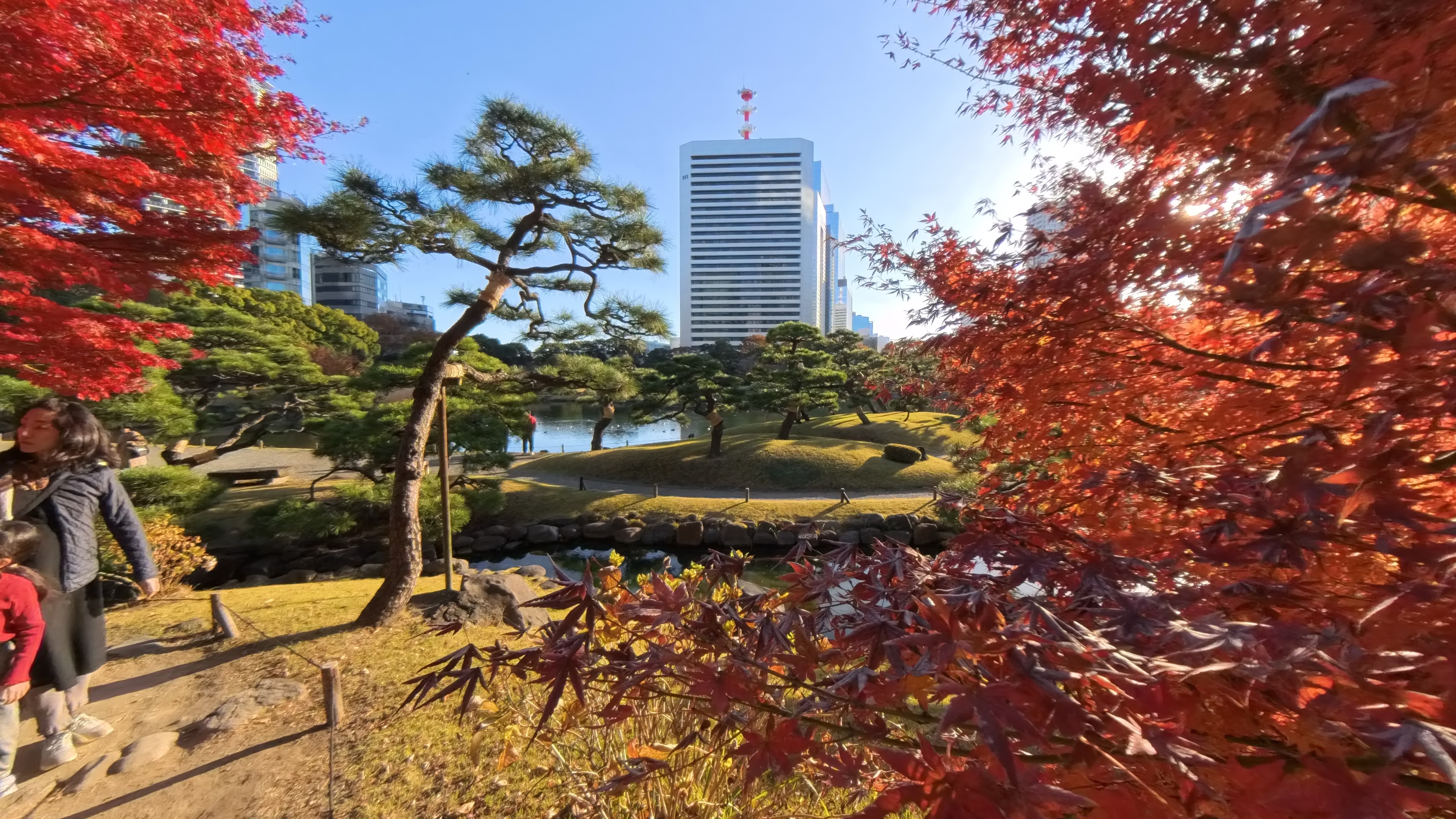
For travelers coming to Japan for the first time, this contrast can feel like magic. One moment, you’re navigating busy streets near Shimbashi or Hamamatsuchō; the next, you’re standing beside a tranquil pond, listening to birds, gentle waves, and rustling leaves. Especially in autumn, when golden ginkgo and deep-red maple trees color the garden, Hamarikyu becomes one of the most peaceful places in central Tokyo.
This guide will help you understand the history of the garden, what to see, how to enjoy it responsibly, and the best times to visit. If you’re looking for a quiet escape during your Tokyo trip—or a destination that reveals the deeper beauty of Japan’s seasons—Hamarikyu Gardens deserves a place on your itinerary.
1. A Garden with 300 Years of History

Hamarikyu Gardens is more than just a park; it is a living piece of Tokyo’s history. Originally built in the 17th century during the Edo period, the land served as a feudal retreat for the shogun. Its ponds, teahouses, and walking paths were designed to showcase seasonal beauty and offer a refuge from political responsibilities.
1.1 Edo-Period Design and Purpose
The garden was crafted with a unique style called daimyo teien—a feudal lord’s landscape garden. Unlike the smaller temple gardens found in Kyoto, daimyo gardens emphasized spaciousness, carefully shaped water features, and elegant tea houses where visitors could relax and enjoy the view.
One of the most remarkable features of Hamarikyu is its shioiri-no-ike, or tidal pond. Connected directly to Tokyo Bay, the water level rises and falls naturally with the tide. This is exceptionally rare in Japanese gardens and reflects the designers’ desire to blend natural forces with refined aesthetics.
1.2 From Shogun Retreat to Imperial Garden
After the collapse of the shogunate, the garden became part of the Imperial family’s property and underwent several changes. During World War II, the area was heavily damaged; however, efforts to restore the original structure began soon after. In 1946, the garden was opened to the public as “Hama Detached Palace Garden,” before later becoming today’s Hamarikyu Gardens.
Walking through the grounds today, you can still feel the harmony between Edo-period design and the surrounding cityscape—a contrast that captures Tokyo’s ability to balance tradition and modernity.
2. Why Hamarikyu Feels So Different from Other Tokyo Parks
Tokyo has many parks—Shinjuku Gyoen, Yoyogi Park, Ueno Park, and more. Yet Hamarikyu stands out for several reasons:

2.1 The Unique Contrast of Nature and Skyscrapers
Few gardens in Japan offer such a dramatic backdrop: glowing autumn leaves set against glass towers and office buildings. Photography enthusiasts love this contrast, especially in the early morning when the city’s harsh shadows soften into warm light.
2.2 A Level of Quiet Rare in Central Tokyo
Even though the garden is close to major stations, it remains surprisingly peaceful. Wide paths, spacious lawns, and large ponds create natural distance between visitors. You can often walk for several minutes with only the sound of wind or water accompanying you.
For travelers overwhelmed by Shibuya Crossing or Shinjuku Station, Hamarikyu provides a refreshing moment of calm.
2.3 Seasonal Highlights Without the Crowds
Autumn is especially beautiful here, but compared to famous spots like Rikugien or Shinjuku Gyoen, Hamarikyu tends to have fewer crowds. This makes it perfect for travelers seeking quiet, photography-friendly spaces or those who prefer to avoid overtourism while still enjoying Japan’s seasonal beauty.
3. What to See: Highlights of Hamarikyu Gardens
3.1 The Tidal Pond (Shioiri-no-Ike)
This is the heart of the garden—a large, seawater pond whose level changes with the tide. Wooden bridges stretch across the water, creating picturesque reflections of autumn colors and the skyline. Watching the tide shift adds a dynamic element that makes every visit slightly different.
3.2 Nakajima Teahouse (中島の御茶屋)
Located in the middle of the pond, this traditional teahouse offers visitors a chance to enjoy matcha and Japanese sweets while admiring the surrounding scenery. The view from its large windows resembles a living painting—calm water, seasonal colors, and occasionally, ducks drifting quietly by.
For foreign travelers wanting to experience Japanese tea culture in a peaceful environment, this is one of the best places in Tokyo.
3.3 Flower Fields and Seasonal Paths
In spring, the rape blossom field becomes a sea of bright yellow. In summer, shades of green dominate the landscape. In autumn, golden ginkgo trees line the paths, and red maple leaves create dramatic contrasts with the water. Winter offers clean lines, crisp shadows, and unobstructed views.
3.4 The 300-Year-Old Pine Tree (三百年の松)
One of the most iconic features of the garden, this massive black pine tree was planted around 1709. Its branches spread wide and low, demonstrating traditional Japanese pruning techniques. The tree symbolizes endurance and the beauty of aged nature in Japanese culture.
3.5 The Duck Hunting Grounds (Kamoba)
Historically used for falconry and duck hunting, these areas offer insight into how feudal lords entertained guests. While hunting no longer takes place, the structures and layout remain intact and serve as an interesting historical point.

4. Best Time to Visit Hamarikyu Gardens
4.1 Autumn (Late October–Early December)
This is the most beautiful season for first-time visitors. The combination of ginkgo, maple trees, and soft evening light creates a uniquely warm atmosphere. Mid-November typically offers peak color.
4.2 Morning Visits
The garden opens at 9:00 AM, and arriving early provides several benefits:
- Fewer people
- Softer light for photography
- The calmest, most peaceful atmosphere
For sunrise lovers, visiting shortly after opening is especially magical.
4.3 Weekdays Over Weekends
If you prefer quiet scenery, weekdays tend to be far less crowded. Even during peak autumn, it’s easier to find empty paths and still water for reflection photography.
5. Travel Tips for Making the Most of Your Visit
5.1 Combine Hamarikyu with Nearby Attractions
The garden pairs perfectly with:
- Tsukiji Outer Market (10–15 min walk)
- Shiodome (direct access)
- Hamamatsuchō (easy access for travelers using monorail to Haneda)
- Odaiba (via water bus from inside the garden)
Taking the Tokyo Bay water bus is a unique experience—highly recommended for visitors who love scenic transportation.
5.2 Respect the Garden’s Quiet Atmosphere
Hamarikyu is meant to be peaceful. To enjoy it responsibly:
- Speak softly
- Don’t disturb wildlife
- Stay on designated paths
- Avoid blocking narrow bridges for long photo sessions
A little mindfulness goes a long way in protecting Japan’s historic gardens.
5.3 Stay Hydrated and Wear Comfortable Shoes
The garden is large, and many visitors end up walking more than expected. Comfortable walking shoes are essential—especially if you plan to visit Tsukiji or Shiodome afterward.
6. Photography Tips for Travelers

6.1 Capture the Contrast
One of the best features is the “nature vs skyscrapers” contrast. To highlight it:
- Shoot low angles toward the skyline
- Frame autumn leaves in the foreground with buildings in the background
- Use reflections from the pond for dramatic images
6.2 Best Spots for Autumn Photos
- Bridge near the teahouse
- Ginkgo-lined paths
- North-side maple grove
- Reflection points along the pond
6.3 Visit Early or Late
Golden-hour photography here is exceptional. Harsh midday light can flatten colors, so try to time your visit around morning or late afternoon.
7. How to Get There
Nearest Stations:
- Shiodome Station (1–3 min walk)
- Shimbashi Station (7–10 min walk)
- Hamamatsuchō Station (1 min walk)
The garden is easy to combine with business-district sightseeing or a lunch trip to Tsukiji.
Opening Hours & Admission
- Hours: 9:00 AM – 5:00 PM (last entry 4:30 PM)
- Admission: Usually around 300 yen (subject to change)
- Closed: Year-end holidays
8. Why Hamarikyu Matters for Travelers Today
In a world where overtourism affects many of Japan’s most famous attractions, Hamarikyu offers a meaningful alternative. It’s spacious, historically rich, and naturally beautiful without being overcrowded.
For travelers who want to experience genuine Japanese calm, observe seasonal colors, and understand the connection between Tokyo’s past and present, Hamarikyu is a perfect destination.
It embodies everything TossysGuideJP aims to promote:
- Hidden gems
- Smoother travel experiences
- Appreciation of Japanese nature and culture
- Respectful exploration
Conclusion: Add Hamarikyu Gardens to Your Tokyo Itinerary
Hamarikyu Gardens is not just another park—it’s a living link to Tokyo’s history, a peaceful escape from the busy city, and one of the most beautiful places to enjoy autumn in Japan. Whether you’re traveling alone, exploring with friends, or visiting Japan for the first time, this garden offers a moment of tranquility that stays with you long after you leave.
If you want to feel the deeper side of Tokyo—calm, historical, beautifully balanced—Hamarikyu is the place. Save it for your trip, visit early, walk slowly, and let the garden reveal its charm at its own pace.

Leave a Reply