
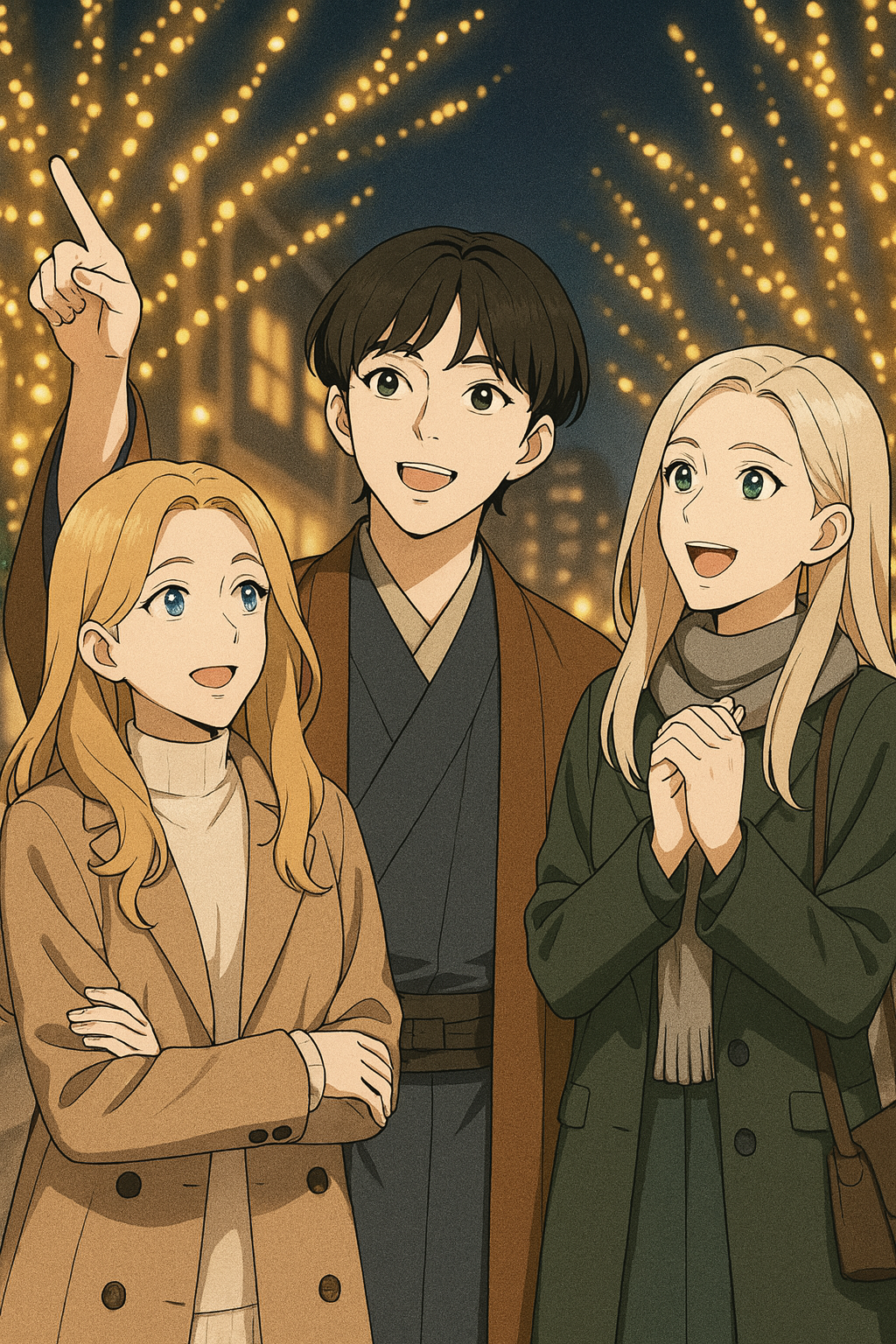
December is one of the most atmospheric months to be in Japan. While Christmas is not a national holiday in the same religious sense as in Western countries, the month has become an undeniable festival of lights, cozy markets, and seasonal charm. Cities and towns across Japan stage spectacular illuminations, and European-style Christmas markets have taken root in urban plazas and historic venues. This guide explains what to expect, where to go, and how to make the most of Japan’s December—focusing on illuminations and Christmas markets, with practical tips for travelers and photographers.
Why December in Japan Feels Special

Japan’s winter aesthetic is a unique blend: crisp air, early sunsets, and a love of seasonal presentation. Unlike summer festivals that are loud and crowded, December evenings invite relaxed exploration. Illuminations—often installed along streets, in parks, and inside shopping complexes—transform cityscapes into glittering wonderlands. Meanwhile, Christmas markets borrow the wooden stall charm of Europe and pair it with Japanese attention to detail: seasonal cuisine, warm drinks, hand-crafted gifts, and well-curated design. For many locals and visitors, December is the time to gather with friends, take romantic walks, and savor winter-only treats.
Illuminations: What They Are & Why They Matter
Illuminations are large-scale light displays that can range from elegantly simple strings of warm lights to immersive, synchronized LED shows. They are often seasonal installations activated from late November through December and sometimes into February. Some illuminations are focused on a single tree or plaza; major events cover entire streets or parks and use tens of thousands — or even millions — of LEDs. These displays are a major draw for evenings: people come for the visual spectacle, photo opportunities, and the gentle social atmosphere around the installations.

Types of Illuminations
- Street and Avenue Lighting: Tree-lined boulevards wrapped in fairy lights (perfect for strolls and couple photos).
- Tunnel/Arc Illuminations: Walk-through tunnels of LEDs that create immersive color experiences (blue- or gold-themed tunnels are popular).
- Park & Garden Shows: Large-scale arrangements in public gardens and parks often synced to music.
- Mall & Station Displays: Indoor installations ideal for families and those who want an illuminated experience regardless of weather.
- Interactive or Light-Projection Shows: High-tech projections mapped onto buildings or water features for cinematic spectacle.
Where to See Spectacular Illuminations (cities & examples)
Japan has dozens of notable illuminations. Here are representative types and locations to consider (pick according to your travel base):
- Tokyo: From Marunouchi’s elegant tree-lined streets to the famous “Blue Cave” (Ao no Dokutsu) style installations in Shibuya/Omotesando and Roppongi’s elaborate displays, Tokyo offers both upscale and experimental light art.
- Yokohama: The Red Brick Warehouse area and nearby bayside promenades pair historic architecture with warm market and illumination vibes.
- Osaka: Nakanoshima and Midosuji Avenue light up with long stretches of festive lights and seasonal programming.
- Kyoto: Although quieter, Kyoto’s temple- and garden-based illuminations fuse traditional aesthetics with seasonal lighting—perfect for contemplative nights.
- Sapporo / Hokkaido: Winter snowscapes + LED installations create a very northern-winter feeling; ideal for combining illumination viewing with winter sports.
- Smaller Towns: Regional illuminations (e.g., in local shopping streets or observation decks) can be less crowded and charmingly local.
Christmas Markets in Japan: What to Expect

Christmas markets in Japan mimic European markets in structure and ambiance: rows of small wooden stalls sell food, drinks, crafts, and seasonal goods. Many markets lean into local flavors, integrating Japanese ingredients and makers into the market fabric.
Typical Offerings
- Hot Drinks: Mulled wine (hot wine), hot chocolate, seasonal teas, and local warm beverages.
- Savory Winter Foods: Sausages, stews, roasted chestnuts, grilled seafood (localized twists), and crepes or waffles.
- Sweets and Treats: Christmas cookies, gingerbread variations, and unique Japanese confections with holiday packaging.
- Handmade Goods: Ornaments, ceramics, textiles, and small design goods—many by local artisans.
- Entertainment: Live music, carolers, and family-friendly performances (often on weekends).
Where to Find Memorable Christmas Markets
- Tokyo (various locations): Marunouchi, Roppongi Hills, and Yokohama’s Red Brick Warehouse host large markets. These are usually designed to feel cosmopolitan and accessible.
- Yokohama Red Brick Warehouse: A favorite for its atmospheric brick architecture, warm lighting, and a genuine market feel.
- Sapporo White Illumination & Markets: Combine winter festivals with market stalls — excellent if you’re traveling northern Japan.
- Regional & Hotel Markets: Many upscale hotels and historical sites host smaller but beautifully curated markets (good for gift shopping with quality control).
Practical Tips: Timing, Crowds & Planning
- Best Time to Visit: Weeknights are less crowded; weekends and holiday periods (mid-December to New Year) attract large local crowds. If you prefer calm photos, aim for weekday evenings shortly after sunset.
- Timing for Photos: “Blue hour” (roughly 20–40 minutes after sunset) is ideal—there is still ambient sky color while lights are vivid. Arrive early to secure a good spot.
- Lighting Conditions: Illuminations are bright but often rely on contrast for dramatic effect. Use a camera or phone with good low-light capabilities. Handheld shots can work with image stabilization; for long exposures bring a compact tripod if you want crisp, streak-free images.
- Reservations & Entry Fees: Most illuminations are free, but special exhibitions and synchronized shows can require tickets—check official event pages or venue announcements if you need guaranteed entry.
- Crowd Navigation: Follow local crowd-flow signs. Many popular illumination spots set up one-way walking paths to maintain safety and prevent congestion.
What to Wear & Prepare
- Layer Warmly: December evenings are cold—thermal base layers, a warm coat, scarves, and gloves are key. If you plan to stand for long photo sessions, bring insulated footwear.
- Portable Warmers: Disposable hand warmers (pocket warmers) are common and inexpensive in convenience stores—very handy.
- Weather Check: Rain reduces outdoor visibility and can cancel some open-air attractions. Have a backup plan (indoor malls, station displays, or galleries).
Food, Drinks & Cultural Notes
- Hot Wine / Mulled Wine: Widely available at Christmas markets in urban areas. In Japan, vendors sometimes add local twists—citrus from domestic farms or unique spice blends.
- Japanese Seasonal Treats: Expect to find seasonal twists such as sweet potato desserts, matcha-infused sweets, and Japanese-style pastries.
- Local Etiquette: People tend to queue politely for popular stalls; keep conversations at a moderate volume and avoid littering—most markets have designated trash and recycling stations.
Suggested Evening Itinerary (Sample for a city like Yokohama or Tokyo)
- Sunset Snack: Start at a nearby café for an early light dinner or snack while the sky turns soft.
- Main Market Visit: Arrive at the market to sip hot wine, browse stalls, and pick up small gifts.
- Illumination Walk: Move to the nearby plaza or avenue to walk through the main illumination—time this for the blue hour for best photos.
- Photo Break: Find an elevated or slightly removed spot for long-exposure or portrait shots.
- Late-Night Dessert: Finish at a cozy indoor spot (station cafe or hotel lobby bar) for dessert and to warm up.
Budgeting & Money Tips
- Typical Costs: Expect to pay for drinks and food per stall (roughly ¥500–¥1,500 per item depending on the city and stall). Souvenirs vary widely—handmade goods might be ¥1,000–¥5,000+.
- Cash vs. Card: Many market stalls accept cash only, especially small artisan booths. Carry some yen in small denominations for convenience.
- Transport: Nighttime travel is easy in cities but check last train times if you’re returning late—metro and JR lines have final services that vary by station.
Accessibility & Family Considerations
- Stroller & Wheelchair Access: Major illuminations and markets are typically accessible, but tunnels and narrow market paths can be tight during peak times. Look for accessibility info on event websites if mobility is a concern.
- Kid-Friendly Options: Markets often offer family areas and kid-friendly treats. Bring a light stroller or carrier for long evening walks.
Final Notes on Atmosphere & What You’ll Take Home

Japan’s December blends imported holiday aesthetics with a uniquely Japanese sensibility: meticulous presentation, seasonal food culture, and an emphasis on shared, low-key enjoyment. Whether you’re wandering a blue-lit tunnel, sipping hot wine at a red-brick market, or hunting for handcrafted ornaments, you’ll feel a warm, social energy distinct from the rest of the year. Bring comfortable shoes, a sense of curiosity, and an appetite for seasonal treats—Japan’s December is one of those travel experiences that rewards slow, evening exploration.
Quick Checklist Before You Go
- Warm layers, gloves, hat, and comfortable footwear.
- Small tripod or smartphone stabilizer for low-light shots (optional).
- Cash in small bills for stalls.
- Check event dates and sunset times.
- Arrive early on weekends to avoid crowds.
Leave a Reply