
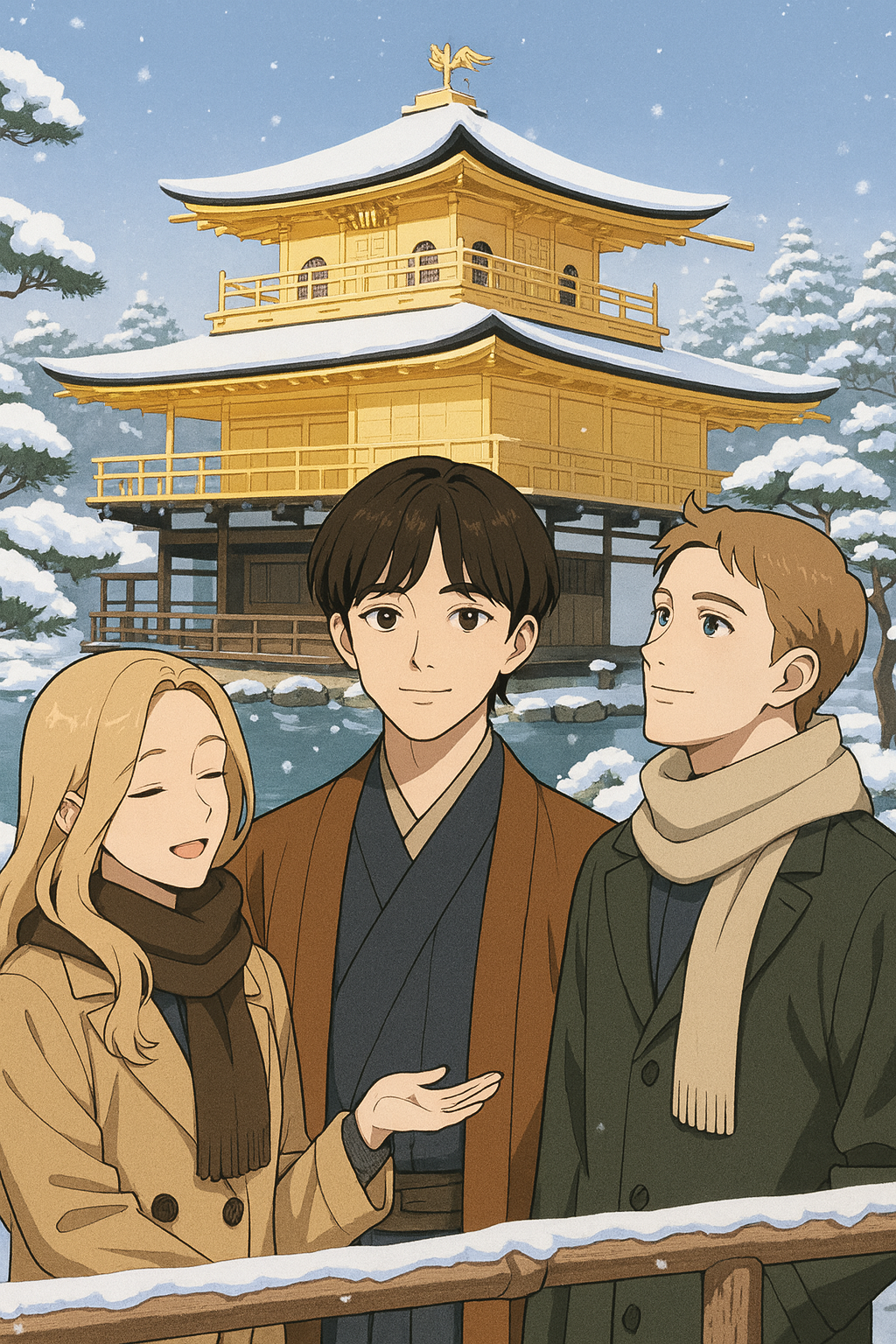
Introduction: Why Winter in Japan Is Unlike Anywhere Else
When most travelers dream about visiting Japan, images of cherry blossoms, summer festivals, or autumn foliage often come to mind. But Japan in winter is a completely different world—quiet, pure, and full of breathtaking natural wonders that exist only for a few weeks each year. From snow-covered temples and historical villages to surreal ice formations and world-class ski resorts, Japanese winter offers a rare kind of magic that many international travelers never realize exists.
Winter in Japan runs roughly from December to early March, though the intensity of snowfall varies widely between regions. While Tokyo and Osaka remain relatively mild with occasional dustings of snow, the northern and coastal regions transform into dramatic silver landscapes (銀世界)—an iconic Japanese term that perfectly expresses the feeling of standing in a world where everything is painted in white.
If you are considering a winter trip to Japan, this guide will take you on a journey through the best snow destinations, unique cultural experiences, and seasonal activities you won’t find anywhere else. Whether you’re an adventure seeker, a cultural explorer, or simply someone looking for a breathtaking winter view, Japan has something special waiting for you.
1. Where to See Japan’s True “Silver World”: Regions That Transform in Winter

Japan’s geography creates enormous differences in climate. While Tokyo may be sunny and dry throughout the winter, regions facing the Sea of Japan or stretching into the northern areas receive some of the heaviest snowfall in the world.
If your dream is to photograph snow-covered temples, walk through winter forests, or explore countryside villages blanketed in white, you’ll want to focus on the following three regions:
1.1 Hokkaido: Japan’s Winter Kingdom
Hokkaido is the coldest region of Japan and consistently experiences long, heavy winters. From late November through March, the entire island transforms into a snow paradise. Cities like Sapporo, Asahikawa, Abashiri, and Otaru offer spectacular winter landscapes, while the countryside becomes a serene world of white fields, frosty forests, and icy coastlines.
1.2 Tohoku: Deep Snow, Quiet Villages, and Dramatic Winter Scenery
Located in northern Honshu, the Tohoku region receives some of the most dramatic snowfall in the country. Its mountains, rural towns, and ancient temples create a mystical aesthetic when covered in snow. Tohoku is perfect for travelers seeking peaceful winter moments far away from the crowded major cities.
1.3 Hokuriku: Heavy Snowfall on Japan’s Sea Coast
The Hokuriku region—including Kanazawa, Toyama, and Fukui—is deeply influenced by winter winds from Siberia. When these winds hit the Sea of Japan, they gather moisture, rise over Japan’s mountains, and release intense snowfall. The result is a winter landscape full of gardens, historical districts, and coastal scenery transformed by deep snow.
A Note of Caution: These Are Heavy Snow Regions
Because these areas are famous for 豪雪地帯 (heavy-snow zones), travelers should be aware:
- Trains may experience delays.
- Roads can close suddenly.
- Weather conditions can change rapidly.
- Warm clothing and waterproof boots are essential.
If you are prepared, though, you will witness some of the most extraordinary winter scenery found anywhere on earth.
2. Snow-Covered Temples and Villages: Timeless Japan in Winter
One of the most surreal experiences during a winter trip to Japan is visiting temples, shrines, gardens, or traditional villages blanketed in snow. The contrast between ancient architecture and freshly fallen powder creates a sense of calm, purity, and serenity difficult to describe in words.

2.1 Snowy Temples: Japan’s Spiritual Side Enhanced by Winter
Temples in heavy-snow regions become almost dreamlike during winter. Wooden structures appear more dramatic, stone lanterns wear small “snow hats”, and footsteps echo softly across quiet paths. Some of the best places to experience this include:
- Yamadera (Yamagata): A mountainside temple with over 1,000 steps, offering breathtaking views when covered entirely in snow.
- Chūson-ji (Iwate): A UNESCO temple with long forested pathways that glow beautifully after snowfall.
- Daihō-ji and the Three-Storied Pagoda (Yamagata): Surrounded by deep forest and thick layers of snow.
Visiting these sacred places during winter often means fewer people—ideal for travelers who want to avoid overtourism.
2.2 Winter Villages: A Glimpse Into Old Japan
Japan’s traditional homes, with steep thatched roofs designed to withstand heavy snowfall, create iconic winter imagery. The most famous examples include:
Shirakawa-go (Gifu):
A UNESCO World Heritage village with gassho-zukuri houses shaped like hands folded in prayer. In winter, the heavy snow makes the entire village look like a real-life fairytale. Nighttime illuminations in January and February are especially unforgettable.
Gokayama (Toyama):
Less crowded than Shirakawa-go but equally beautiful. If you want the same aesthetic with fewer tourists, this is the ideal choice.
Ouchi-juku (Fukushima):
A preserved Edo-period post town whose thatched-roof buildings and snowy streets feel like stepping back 300 years.
2.3 Snowy Gardens: Japanese Landscaping Under Winter Silence
Some gardens become even more beautiful after snowfall:
- Kenrokuen (Kanazawa): Famous for its yukizuri—ropes tied to trees in elegant shapes to protect branches from heavy snow.
- Korakuen (Okayama) and Kairakuen (Mito): Occasionally snowy and breathtaking in winter.
- Sapporo Odori Park: Illuminated during the Sapporo Snow Festival.
Standing among these silent winter landscapes is one of the most peaceful experiences Japan can offer.
3. The Enchanted Forest of Ice: The Juhyo “Snow Monsters”

One of Japan’s most surreal winter spectacles is the juhyo—massive ice formations created when snow and freezing winds attach to trees at high altitudes. They are commonly known as “snow monsters”, and you won’t see anything like this anywhere else in the world.
3.1 Where to See Juhyo
The most famous location is:
Zao Onsen (Yamagata)
From late January to early March, the mountaintops at Zao transform into a forest of ice-covered shapes that look like frozen spirits. Visitors can ride the ropeway to the summit, where hundreds of snow monsters stand against the dramatic winter sky.
At night, the juhyo are illuminated with glowing colors, creating an otherworldly atmosphere perfect for photography.
3.2 Other Juhyo Locations
- Hakkoda Mountains (Aomori)
- Mt. Moriyoshi (Akita)
3.3 Tips for Visiting
Because the temperatures can drop below –15°C, travelers should dress accordingly:
- Waterproof boots
- Heat-tech layers
- Gloves and face covering
- Warm drinks
Despite the extreme conditions, viewing the juhyo is one of the most unique winter experiences in Japan.
4. Drift Ice (Ryūhyō): The Arctic Comes to Japan

For a rare natural phenomenon found only in far northern Japan, head to the Okhotsk Sea in Hokkaido. Here, from February to March, floating Arctic ice drifts southward—an event that occurs nowhere else in Japan.
4.1 Where to Experience Drift Ice
- Abashiri: The most accessible city with drift-ice cruises.
- Monbetsu: Known for its icebreaking ship “Garinko-go.”
- Shiretoko Peninsula: A UNESCO World Heritage site offering the most dramatic scenery.
4.2 Drift Ice Activities
- Icebreaker cruise: Ride through the white, frozen sea as chunks of ice crack around the ship.
- Drift ice walking: Wearing a dry suit, travelers can literally walk on the sea ice.
- Wildlife watching: Seals and Steller’s sea eagles are commonly seen.
This region is extremely cold, but the once-in-a-lifetime views are unmatched.
5. Skiing and Snowboarding: Japan’s World-Class Powder

Japan is globally famous for “Japow”—light, fluffy powder snow produced by cold Siberian winds picking up moisture over the Sea of Japan.
5.1 Where to Ski in Japan
Hokkaido
- Niseko (most popular globally)
- Furano
- Rusutsu
Tohoku
- Appi Kogen
- Zao Onsen (ski + snow monsters!)
Nagano (Japanese Alps)
- Hakuba Valley
- Nozawa Onsen
- Shiga Kogen
5.2 Why Japan Is a Ski Paradise
- Extremely consistent snowfall
- Excellent snow quality
- Hot springs (onsen) after a long day
- Safe and beginner-friendly resorts
- Great food and hospitality
Even travelers who don’t ski can enjoy snowshoeing, sledding, or simply relaxing in a hot spring town surrounded by snow.
6. Wakasagi Fishing: A Traditional Winter Activity on Frozen Lakes

Wakasagi (Japanese smelt) fishing is a beloved winter pastime in northern Japan. Travelers sit inside small tents on frozen lakes while drilling holes into the ice and fishing for small, delicious fish.
6.1 Best Spots for Wakasagi Fishing
- Lake Akan (Hokkaido)
- Onuma Quasi-National Park (near Hakodate)
- Lake Hibara (Fukushima)
6.2 Why Travelers Love It
It’s a peaceful, cozy winter activity—perfect for families and couples. Many tours include:
- Tent rental
- Warm drinks
- Grilling the fish you catch
It’s cultural, local, and a fun break from skiing or temple visits.
7. Kamakura Festivals: Winter Culture at Its Most Charming

A kamakura is a traditional Japanese snow hut shaped like a small igloo. Inside, visitors light candles, share warm drinks, and celebrate winter traditions.
7.1 Where to See Kamakura
- Yokote (Akita): The most famous kamakura festival in Japan, held in February.
- Nagano and Niigata regions: Smaller and less touristy.
7.2 Cultural Meaning
Kamakura represent hospitality, warmth, and community. During festivals, children invite visitors inside to enjoy amazake (sweet rice drink) and local snacks.
7.3 Why Travelers Should Experience It
It’s an intimate and heartwarming side of Japanese winter—not just scenery, but culture and connection.
8. Summary: Why You Should Travel to Japan in Winter

Winter in Japan offers some of the most unique experiences in the world:
- Snow-covered temples and mystical villages
- World-famous powder snow for skiing
- Ice forests known as “snow monsters”
- Arctic drift ice on the northern coast
- Peaceful fishing on frozen lakes
- Warm winter festivals in snowy towns
But beyond the activities, winter in Japan brings a quieter, more reflective atmosphere. Crowds are smaller, scenery is dramatic, and each moment feels special—perfect for travelers seeking deeper, more meaningful experiences.
If you’re looking to explore Japan beyond the usual cherry blossoms and summer festivals, winter is the season when the country reveals a different kind of beauty—raw, natural, and unforgettable.
Leave a Reply