
Why Japanese People Celebrate New Year at Shrines, Visit Temples, and Enjoy Christma
Contents
- 1. Why Many Japanese Describe Themselves as “Non-Religious”
- 2. Shinto: Japan’s Indigenous Spiritual Tradition
- 3. Buddhism: Deeply Integrated Into Daily Life
- 4. So Do Japanese People Believe in Both?
- 5. Christmas in Japan: A Cultural Celebration, Not a Religious One
- 6. Family Differences Matter: Each Household Has Its Own Tradition
- 7. Why This Blended Approach Is Fascinating
- 8. Practical Tips for Travelers: How to Respectfully Participate
- Conclusion: Religion in Japan Is Fluid, Cultural, and Beautifully Unique
Introduction: Why Religion in Japan Confuses Many Visitors
One of the most common cultural questions Japanese students receive when studying abroad is,
“What religion are you?”
For many international visitors, this is an ordinary, straightforward question. But for Japanese people, the answer is rarely simple. Many will say:
- “I’m not religious.”
- “Maybe Shinto?”
- “My family is Buddhist, I think…?”
- “I don’t really practice anything.”
Yet, the same Japanese person who claims to have no religion may:
- Visit a Shinto shrine for New Year’s prayers (Hatsumode)
- Attend a Buddhist funeral
- Get married in a Christian-style chapel
- Celebrate Christmas with illuminations, cake, and KFC
- Participate in local festivals deeply rooted in Shinto traditions
For foreign visitors, this can feel contradictory—or endlessly fascinating.
This guide will help you understand the unique Japanese approach to religion, why many people identify as “non-religious,” and how Japan’s cultural practices blend Shinto, Buddhism, and Western influences in a fluid, harmonious way. This knowledge will deepen your cultural experience as you explore shrines, temples, festivals, and seasonal events across Japan.
1. Why Many Japanese Describe Themselves as “Non-Religious”

1.1 “Religion” Means Something Different in Japan
In many countries, religion is tied to:
- Personal beliefs
- Exclusive membership (one religion only)
- Regular worship
- Community belonging
- Clear doctrines or teachings
But in Japan, the concept of “religion” (shūkyō) carries a different nuance. Over the past century, the term has often been associated with:
- Organized institutions
- Strict doctrines
- Strong personal conviction
- Political or social controversy
As a result, many Japanese feel that they don’t “belong” to a religion—even though they routinely participate in rituals that are historically religious.
1.2 Cultural Practice vs. Religious Belief
In Japan, shrine visits, temple ceremonies, and seasonal events are considered cultural customs, not declarations of faith. Participating in a ritual doesn’t mean you “believe in” or “follow” a particular religion. Instead, these customs are seen as:
- A way to express gratitude
- A wish for good luck
- A tradition passed down from family
- A celebration of the season
Because these practices feel natural and everyday, many people do not classify them as “religion” in the Western sense.
2. Shinto: Japan’s Indigenous Spiritual Tradition

Shinto is not a doctrine-based religion. Instead, it is a collection of ancient spiritual beliefs rooted in nature, ancestors, and everyday life. There is no founder, no sacred scripture, and no universal “membership.”
2.1 Key Elements of Shinto
- Kami (spirits or deities) are found in nature, objects, and historical figures.
- Rituals focus on purification, good fortune, and gratitude.
- Shrines are community spaces rather than exclusive religious institutions.
2.2 Shinto Practices You May See
- Hatsumode (New Year shrine visit) – the biggest Shinto event of the year
- Omamori charms – bought for luck, health, or success
- Matsuri festivals – lively events rooted in local shrine traditions
- Shichi-go-san – children’s growth celebration at shrines
Most Japanese participate in these events even if they consider themselves non-religious.
3. Buddhism: Deeply Integrated Into Daily Life
Buddhism arrived from the Asian continent around the 6th century and became a fundamental cultural influence.

3.1 What Makes Buddhism Familiar in Japanese Homes
Many families have:
- A Butsudan (Buddhist altar) for ancestors
- Buddhist funerals
- Memorial ceremonies (Hōji)
- Buddhist temples dedicated to family lineage
3.2 Buddhism’s Cultural Role
Unlike in some countries, Japanese Buddhism is closely tied to:
- Ancestor respect
- Funeral rites
- Seasonal memorials
- Life milestones
People may not actively “practice” Buddhism day-to-day, but they turn to Buddhist traditions for important family events.
4. So Do Japanese People Believe in Both?
Yes—And That’s Normal.**
Japan has a long history of religious coexistence, where Shinto and Buddhism naturally intertwine. This blending is known as Shinbutsu-shūgō.
4.1 Everyday Example
A single person might:
- Celebrate a newborn baby at a Shinto shrine ceremony
- Hold a wedding in a Christian-style chapel
- Have a funeral through Buddhist priests
- Celebrate Christmas with friends
- Visit a shrine again for New Year
There is no perceived contradiction. Customs are chosen based on tradition, family practice, or the event—not religious exclusivity.
4.2 The Cultural Logic Behind It
In Japan:
- Shrines = Life events (birth, growth, wishes, celebrations)
- Temples = Death and ancestor traditions
- Christian-style chapels = Popular wedding style
- Christmas = Fun seasonal festival
Attributes aren’t exclusive. Rituals belong to cultural life, not religious identity.
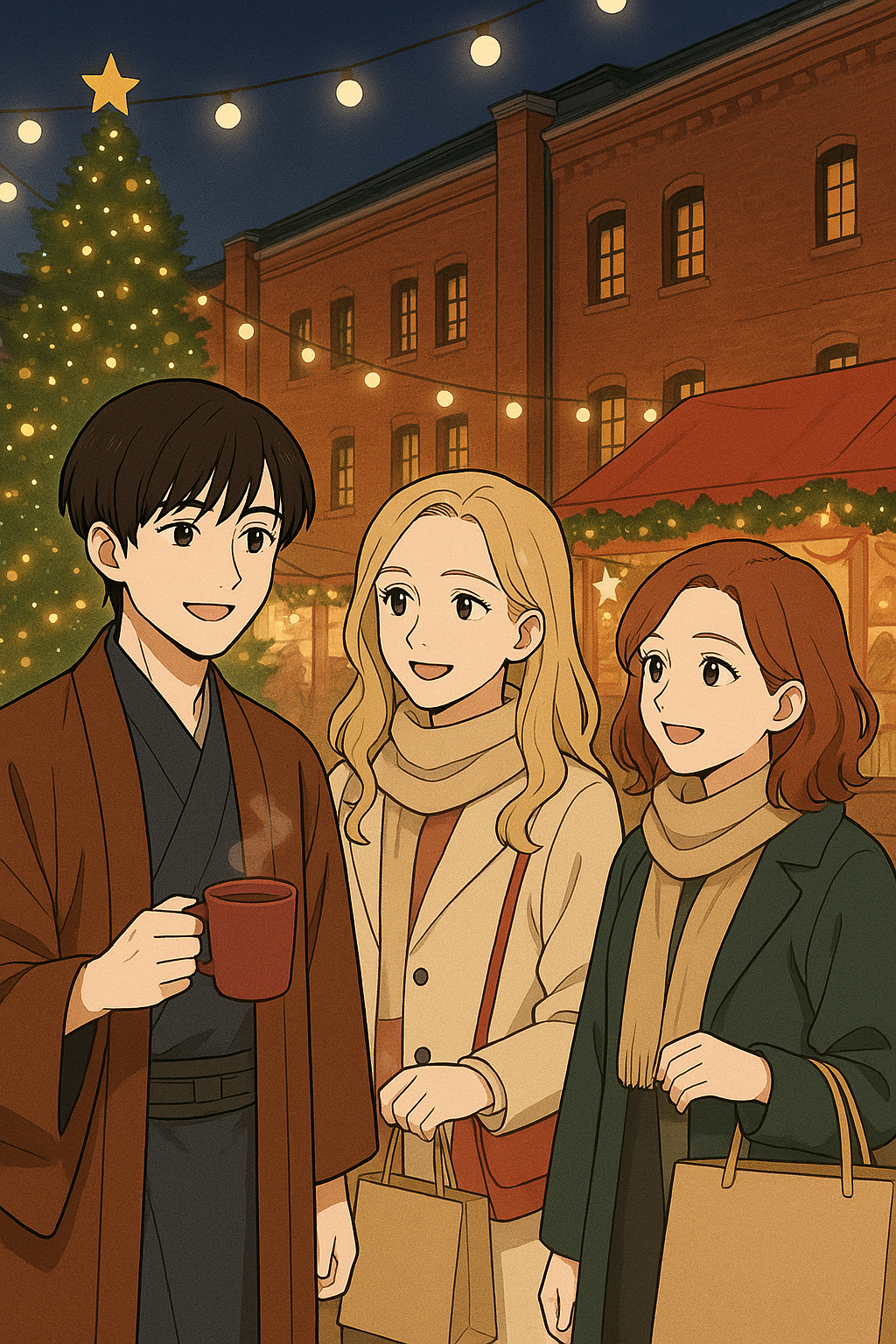
5. Christmas in Japan: A Cultural Celebration, Not a Religious One

Visitors are often surprised to see:
- Enormous Christmas light displays
- Christmas cakes
- Couples going on romantic dates
- KFC being a national tradition
Yet Christmas in Japan is largely secular—a celebration of:
- Winter joy
- Romance
- Consumer culture
- Western aesthetics
Most people who celebrate Christmas do not identify as Christian, and this is completely normal culturally.
6. Family Differences Matter: Each Household Has Its Own Tradition
One important nuance foreign visitors often overlook is:
There is no single “Japanese religion.”
Each household practices differently.
Examples:
- Some families follow a particular Buddhist sect.
- Others focus heavily on Shrine customs.
- Some do not practice either in daily life but still enjoy cultural festivals.
- Some families have strong religious traditions; others have none.
This diversity means that asking “What religion are Japanese people?” can’t be answered with one label.

7. Why This Blended Approach Is Fascinating
Japan treats rituals and traditions as:
- Cultural heritage
- Seasonal customs
- Ways to express gratitude
- Local community bonding
This flexible, inclusive attitude allows people to enjoy traditions without religious pressure or exclusivity.
For travelers, this provides an opportunity to observe:
- How different customs coexist
- The cultural meaning behind rituals
- Why shrines and temples feel peaceful and accessible to everyone
It’s one of the most unique aspects of Japanese culture and a major reason why visiting shrines, temples, and seasonal events feels so special.

8. Practical Tips for Travelers: How to Respectfully Participate
8.1 At Shinto Shrines
- Bow once before entering the torii gate
- Purify your hands using the water basin
- Offer a coin, bow twice, clap twice, bow once
8.2 At Buddhist Temples
- The atmosphere is quieter and more solemn
- It’s common to burn incense respectfully
- Photography may be restricted inside halls
8.3 During Festivals
- Enjoy food stalls and cultural performances
- Follow staff guidance during crowded events
- Many rituals are open to everyone—no membership needed
8.4 During New Year
Expect long lines at major shrines.
Local neighborhood shrines are calmer and equally meaningful.
Conclusion: Religion in Japan Is Fluid, Cultural, and Beautifully Unique
Japan’s relationship with religion cannot be defined by simple labels like “Shinto,” “Buddhist,” or “non-religious.” Instead, it is a harmonious blend of customs, rituals, and seasonal practices that enrich daily life.
Most Japanese people may say they are “not religious,” yet they engage deeply with traditions tied to Shinto, Buddhism, and even Western culture. This flexible and inclusive approach reflects a cultural appreciation for peace, gratitude, and community rather than religious exclusivity.
For visitors, understanding this mindset opens a new way to appreciate shrines, temples, festivals, and family traditions across Japan. It transforms each cultural experience into a deeper, more meaningful journey into the heart of Japanese life.
Leave a Reply