
Tag: 日本文化
-

Ryokan Etiquette: Yukata, Slippers, Dinner, Bathing
The first time many travelers step into a ryokan, something feels off — in the best way. There’s no keycard, no elevator music, no generic lobby smell. Instead, a staff member bows, someone slides open a door, and you’re asked to take off your shoes before you’ve even said hello. For a moment, it can…
-
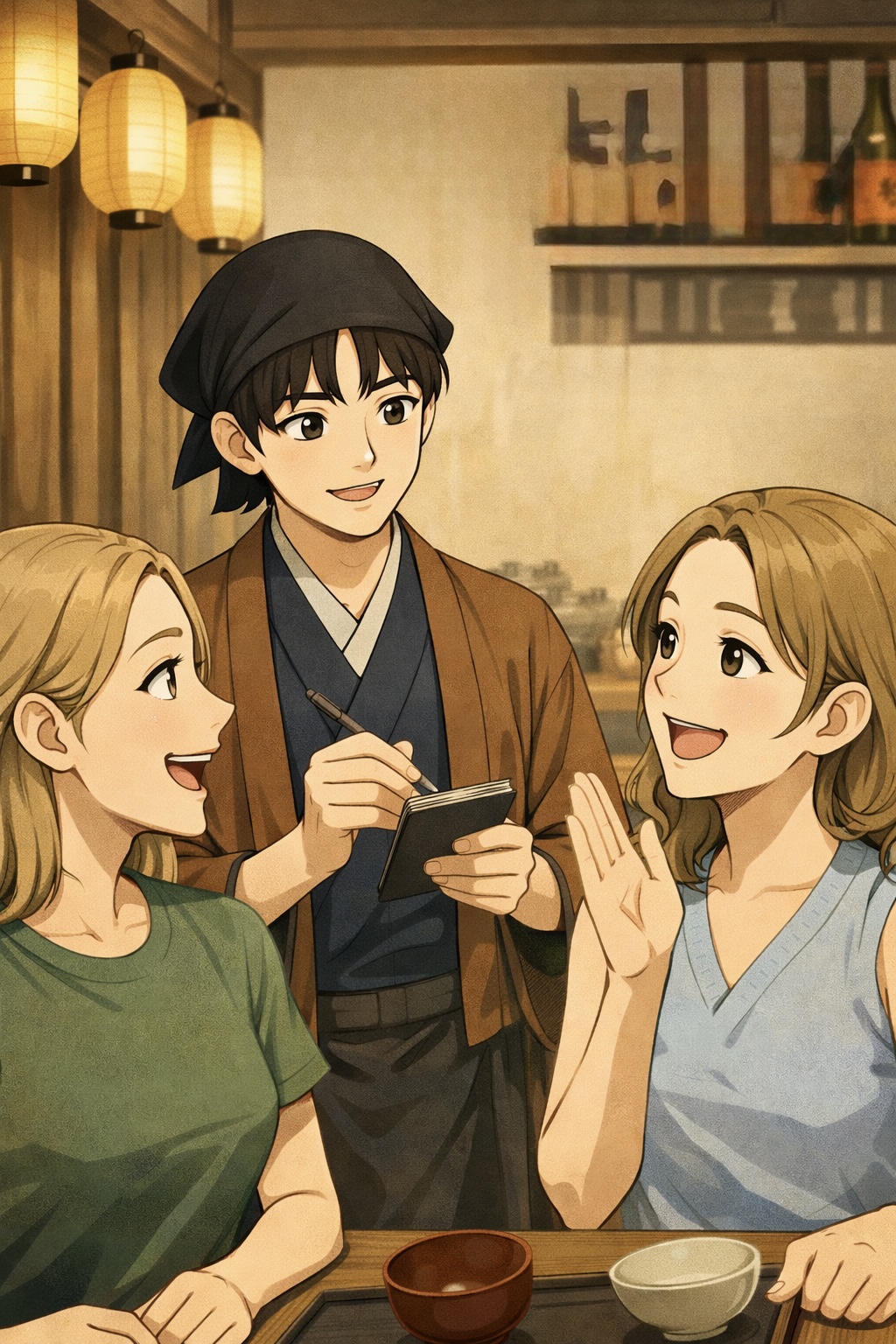
Essential Japanese Phrases for Izakaya: Speak Like a Local in Japan
If you’re planning to visit Japan, experiencing an izakaya is a must.An izakaya is a casual Japanese-style pub where people gather to enjoy drinks, small dishes, and good conversation. But here’s the thing—many menus are in Japanese, and not all staff speak fluent English. Don’t worry. With just a few simple Japanese phrases, you can…
-
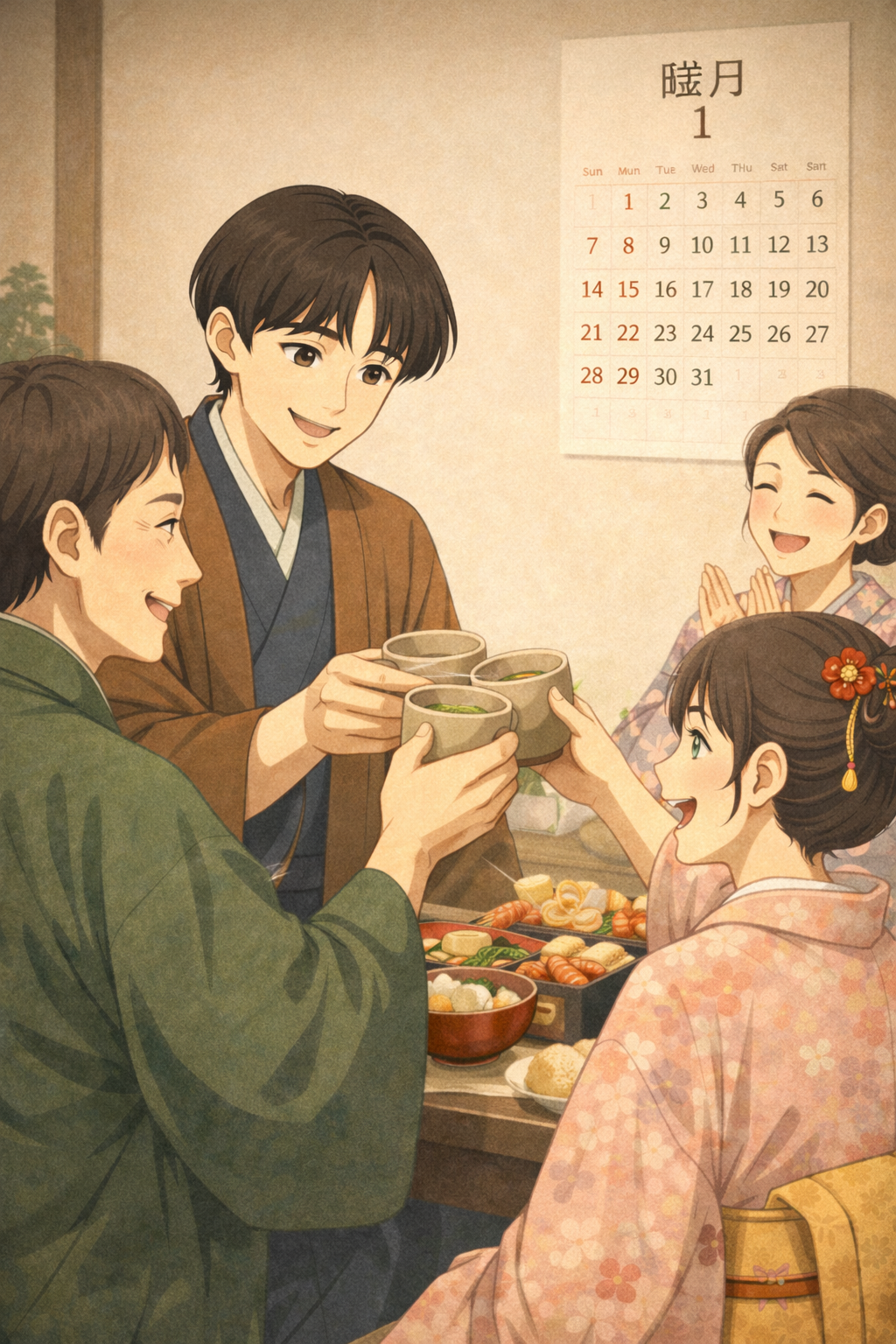
What Is “Mutsuki”? How January Is Understood and Lived in Japan
Why January in Japan Feels Different If you visit Japan in January, you may sense something unusual.The streets feel calmer than expected.People walk a little slower, speak more quietly, and often stay close to one another. You might think this feeling comes from winter weather.You may also wonder if January is simply not a good…
-
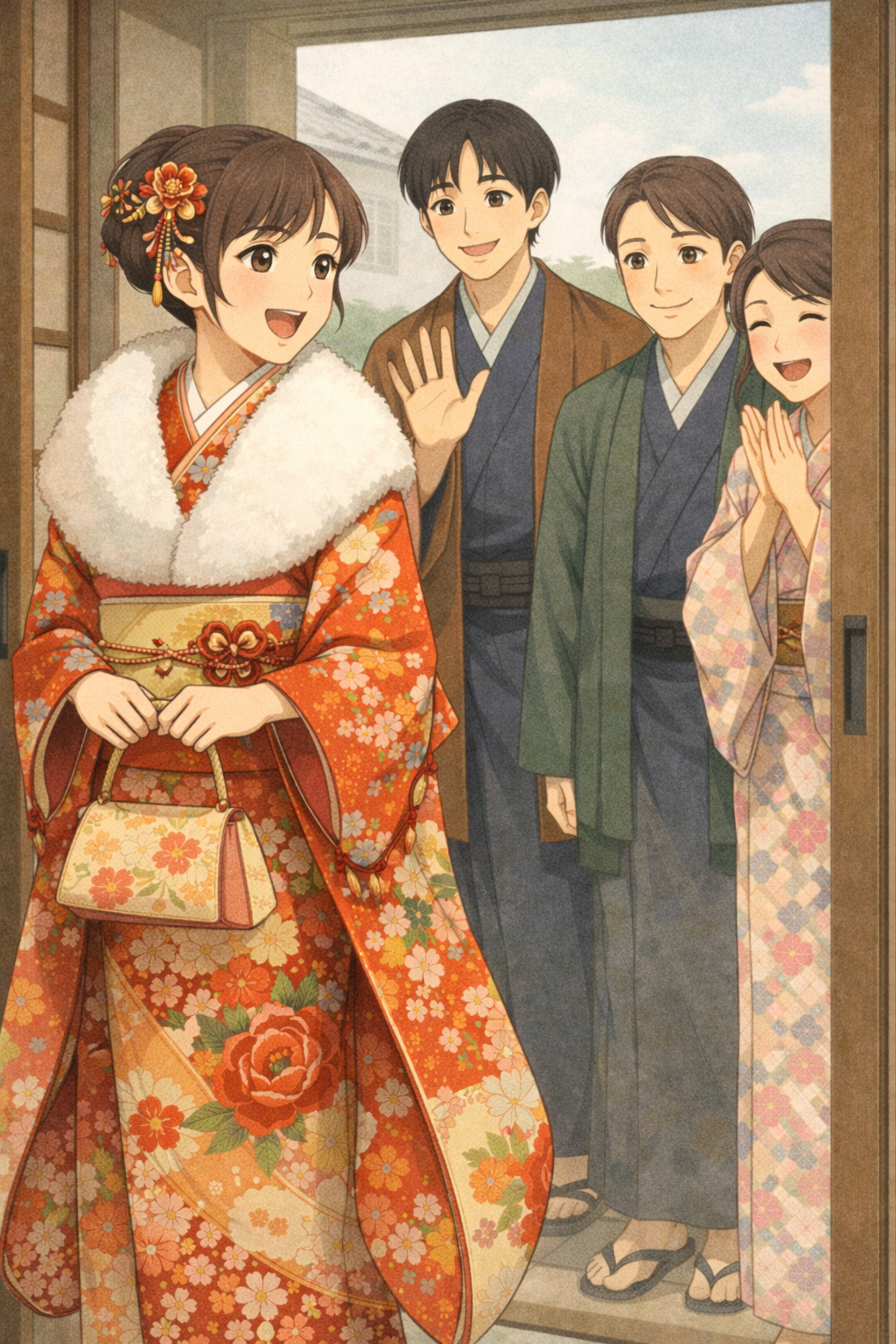
Seijin Shiki Explained: Japan’s Coming of Age Ceremony From Ancient Rituals to Modern Celebrations
Every January, across Japan, young people dressed in elegant kimonos and sharp suits gather to celebrate a major milestone in their lives. This event is called Seijin Shiki, Japan’s Coming of Age Ceremony.At first glance, it may look like a beautiful cultural festival—but behind it lies more than a thousand years of history, family bonds,…
-

Why Do Japanese People Eat Mochi at New Year?
The History, Meaning, and Culture Behind Mochi When people see mochi pounding in Japan, it often looks lively, fun, and energetic. Wooden mallets swing down in rhythm, steam rises from freshly pounded rice, and everyone cheers together. But mochi is more than just a chewy rice cake. For Japanese people, especially during the New Year,…
-

Ozoni: Why Japanese People Eat This Soup for the New Year
When the New Year arrives in Japan, families across the country gather around the table to share a special dish called Ozoni.For many Japanese people, eating ozoni is not just about enjoying a warm bowl of soup—it is a quiet but meaningful way to welcome a new beginning. From a Japanese perspective, ozoni represents celebration,…
-

Japanese New Year Decorations Explained: A Complete Guide to Kadomatsu, Shimenawa, Kagami Mochi, and More
If you visit Japan during late December or early January, you’ll notice something special the moment you step outside. Entrances of houses, shops, and even offices are decorated with bamboo, pine, straw ropes, and beautifully arranged ornaments. These are Japanese New Year decorations, and they are much more than seasonal decorations. Each item carries a…
-
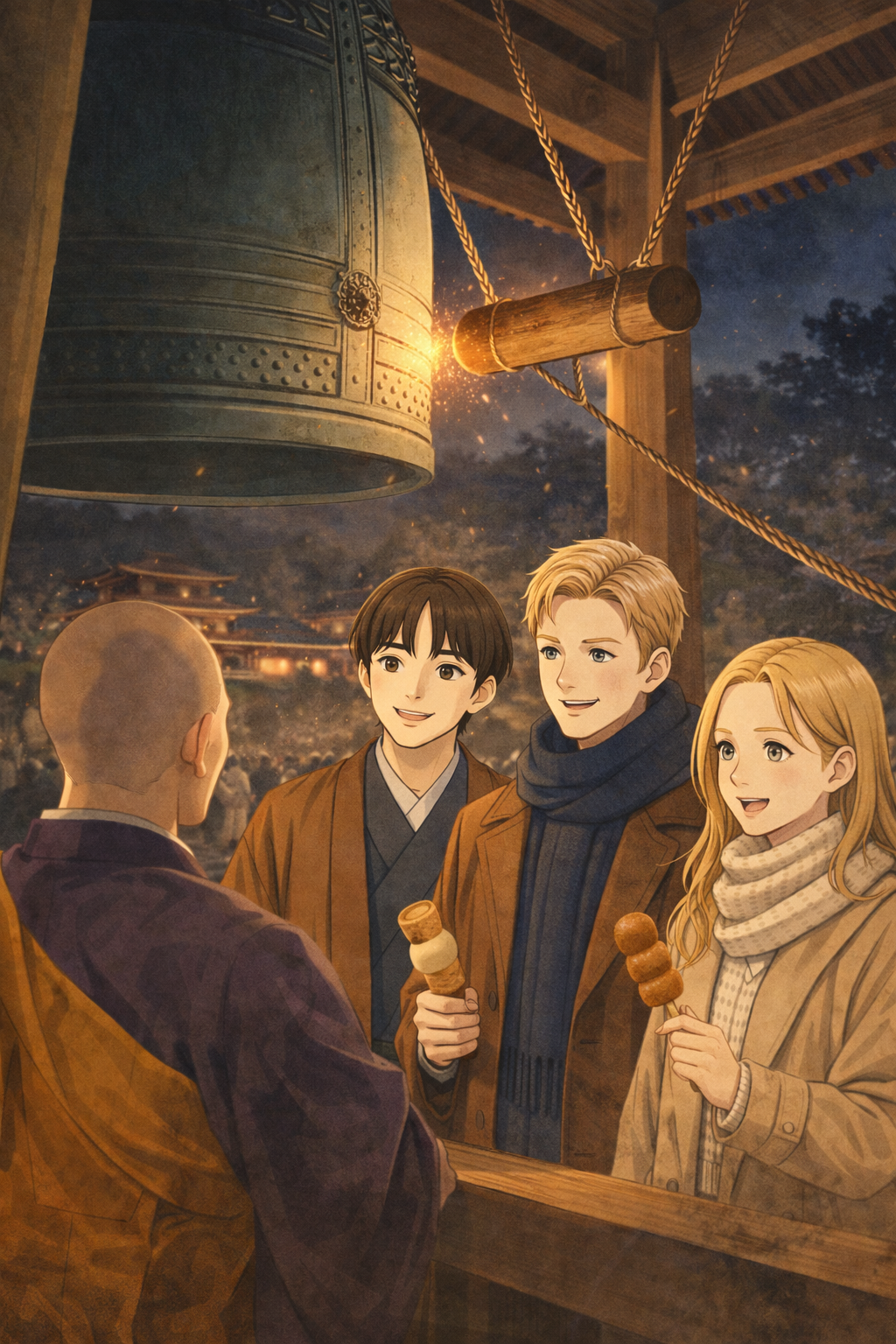
Hatsumode: How Japanese People Welcome the New Year at Shrines
Introduction: A Quiet but Powerful Start to the Year in Japan In Japan, the New Year is not just a countdown or a party. It is a moment to reset, reflect, and quietly prepare for the year ahead. One of the most important traditions during this time is Hatsumode (初詣) — the first shrine or…
-
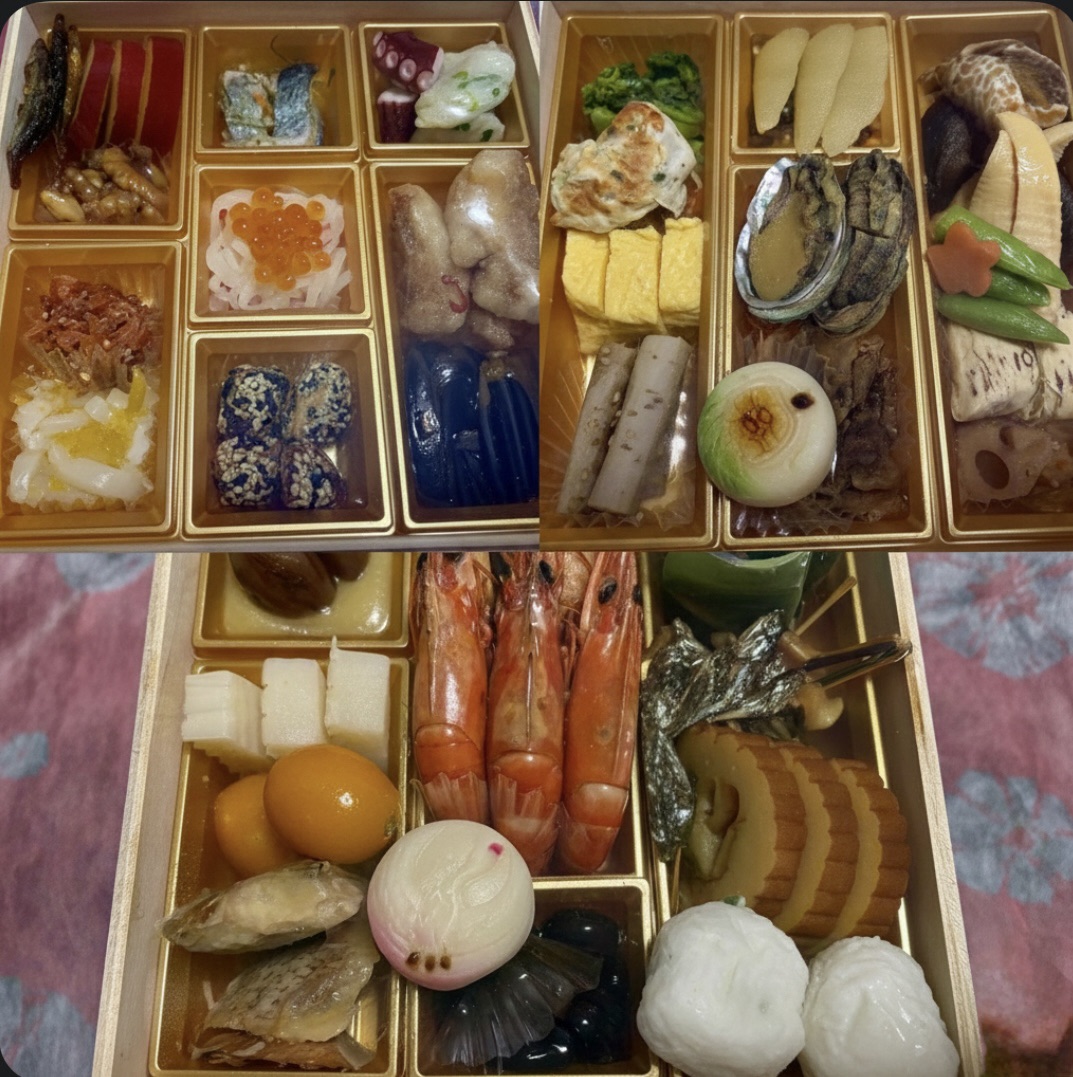
A Taste of New Year in Japan: Osechi and the Traditions Behind It
Introduction: A New Year Begins at the Table Happy New Year!!! Guys!!! In Japan, the New Year is not just marked by fireworks or countdowns—it begins quietly, at the family table. As the clock strikes midnight on January 1st, many Japanese families welcome the year with a beautifully arranged box of traditional dishes known as…
-

Why Do Japanese People Eat Soba on New Year’s Eve?
A Deep Dive into the History and Meaning of Toshikoshi Soba For many visitors to Japan, New Year’s Eve is a quiet and mysterious night. Shops close early, cities slow down, and families gather at home instead of celebrating loudly in the streets. And then, almost without exception, one tradition appears on the dinner table: Soba…