
Tag: Winterinjapan
-
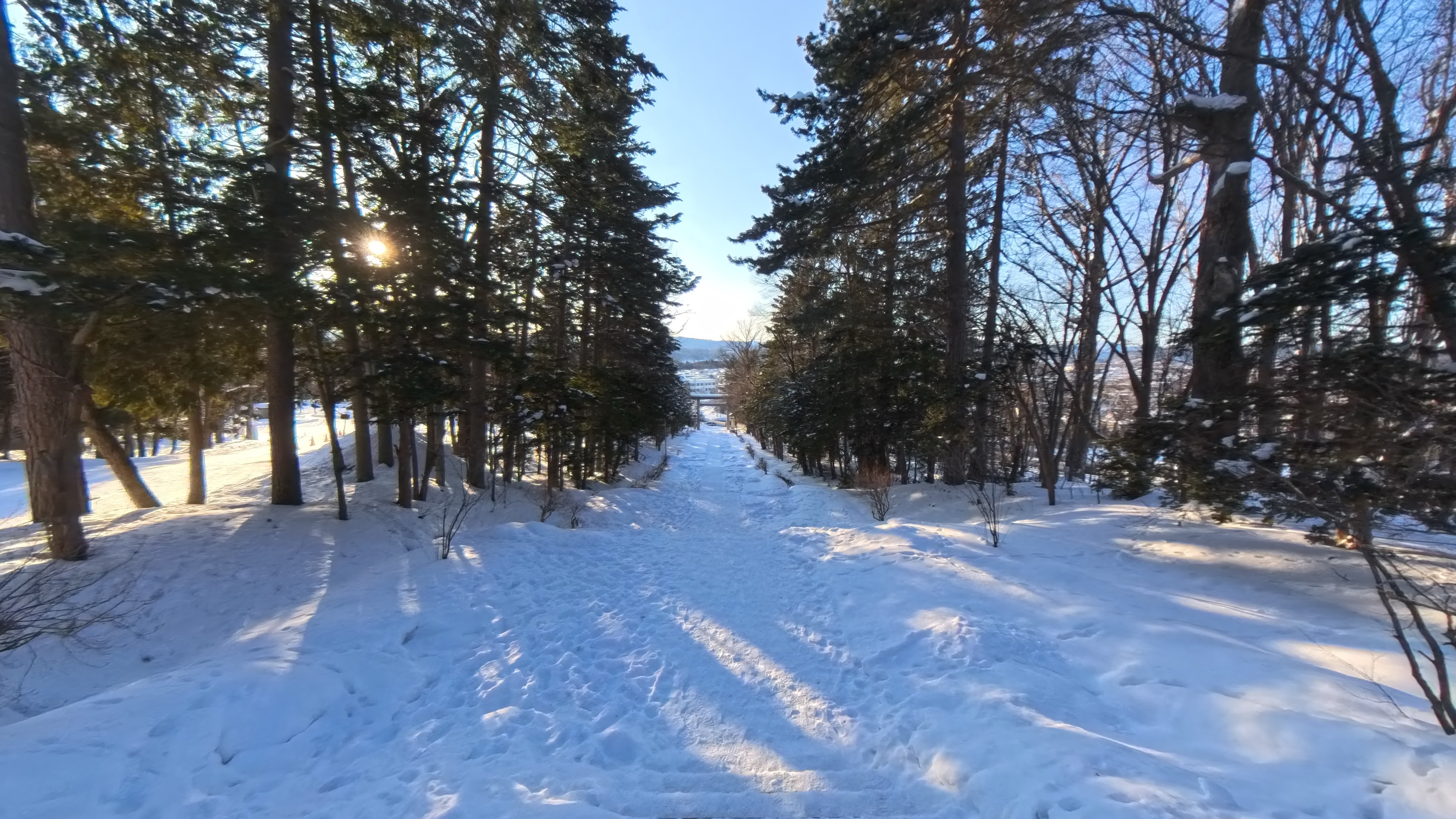
Kamikawa Shrine Travel Guide — History, Meaning, and How to Visit from Asahikawa
Introduction: Searching for a Shrine Beyond the Usual Tourist Path When you plan a trip to Japan, visiting a shrine often feels like an obvious part of the experience, and you probably imagine red gates, lively pathways, and seasonal beauty such as cherry blossoms or autumn leaves. That image is not wrong, but if you…
-

Visiting Shirogane Blue Pond and Shirahige Waterfalls in Winter — A Practical Guide from Asahikawa
If you have already explored Tokyo and started thinking about seeing a different side of Japan, you may find yourself curious about Hokkaido, yet unsure how to actually plan it. The island feels distant, the scale seems intimidating, and the idea of winter travel there can sound exciting but also slightly overwhelming. This guide promises…
-
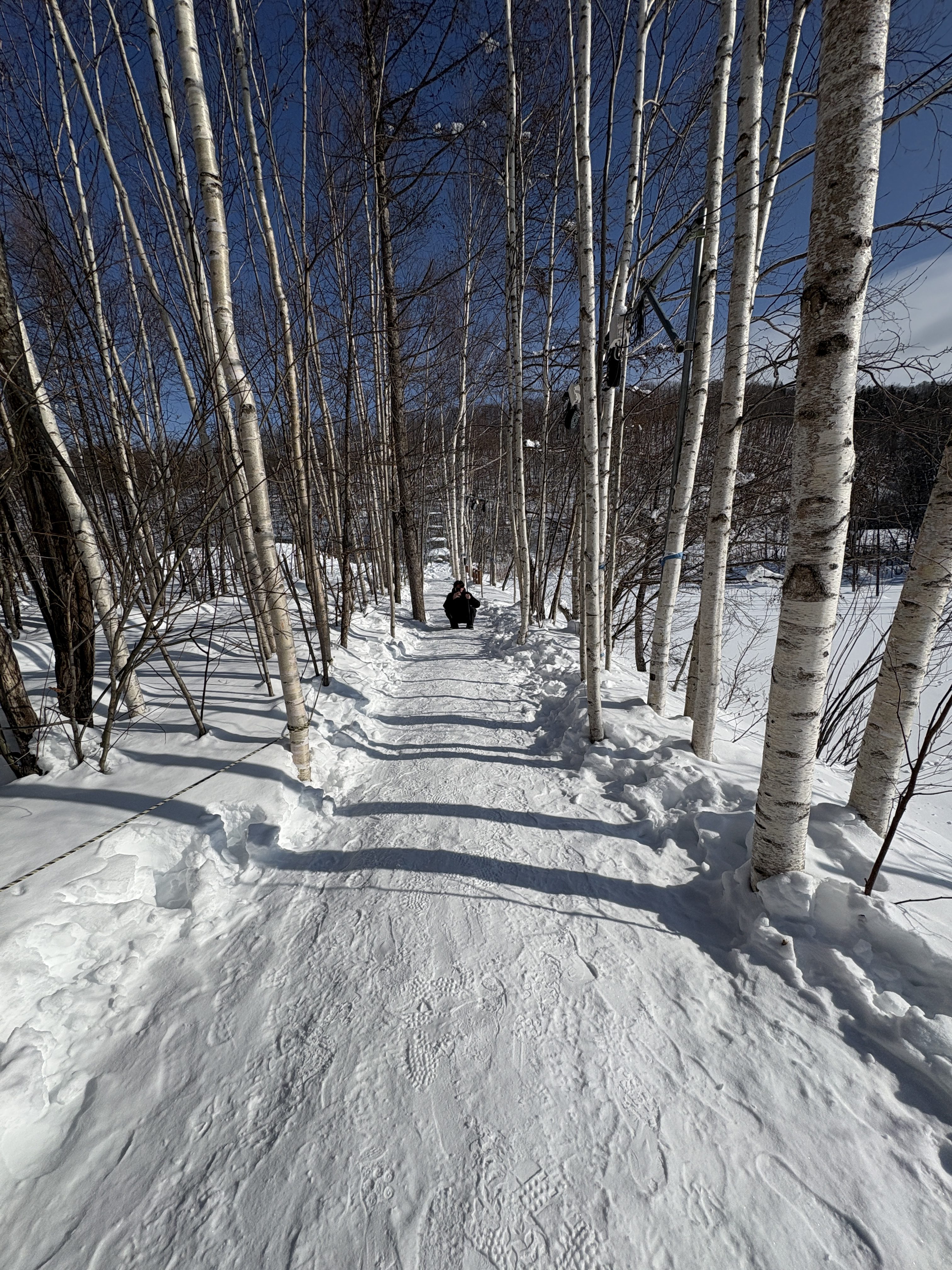
A Perfect Day Trip from Asahikawa: How to Enjoy Biei and the City in One Relaxed Day
1. “Can We Really Do Biei and Asahikawa in One Day?” When you hear the names Biei and Asahikawa, they sound big.They feel like places that need several days, careful planning, and a lot of energy. When you look at a map, the wide empty spaces between spots can quietly increase that feeling. You might…
-

How to Enjoy Sapporo City in Half a Day: A Simple Afternoon Walk
1. Why Sapporo Feels Confusing at First (But Doesn’t Have to Be) If this is your first time visiting Sapporo, you might feel slightly overwhelmed before you even arrive.The city sounds exciting, but at the same time, you keep hearing that it is “big,” “spread out,” and “hard to plan,” especially if you only have…
-
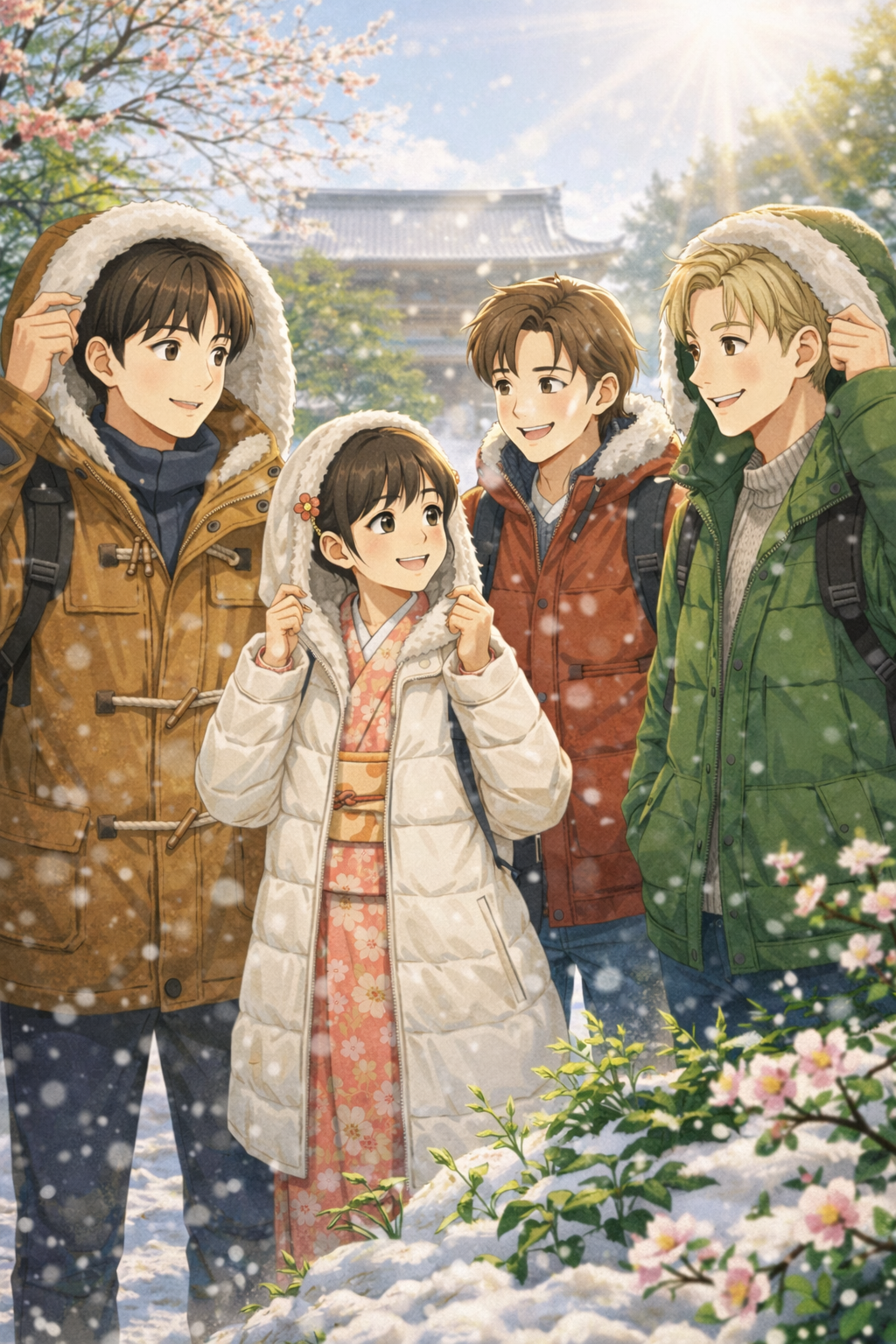
What Is “Kisaragi”? How February Is Understood and Lived in Japan
Why Kisaragi Feels Confusing at First If you have been studying Japanese culture for a while, February may feel strangely difficult to understand. People say that spring is approaching, yet the air is sharp, mornings are freezing, and you still reach for your coat without thinking. You might wonder why this period is sometimes described…
-
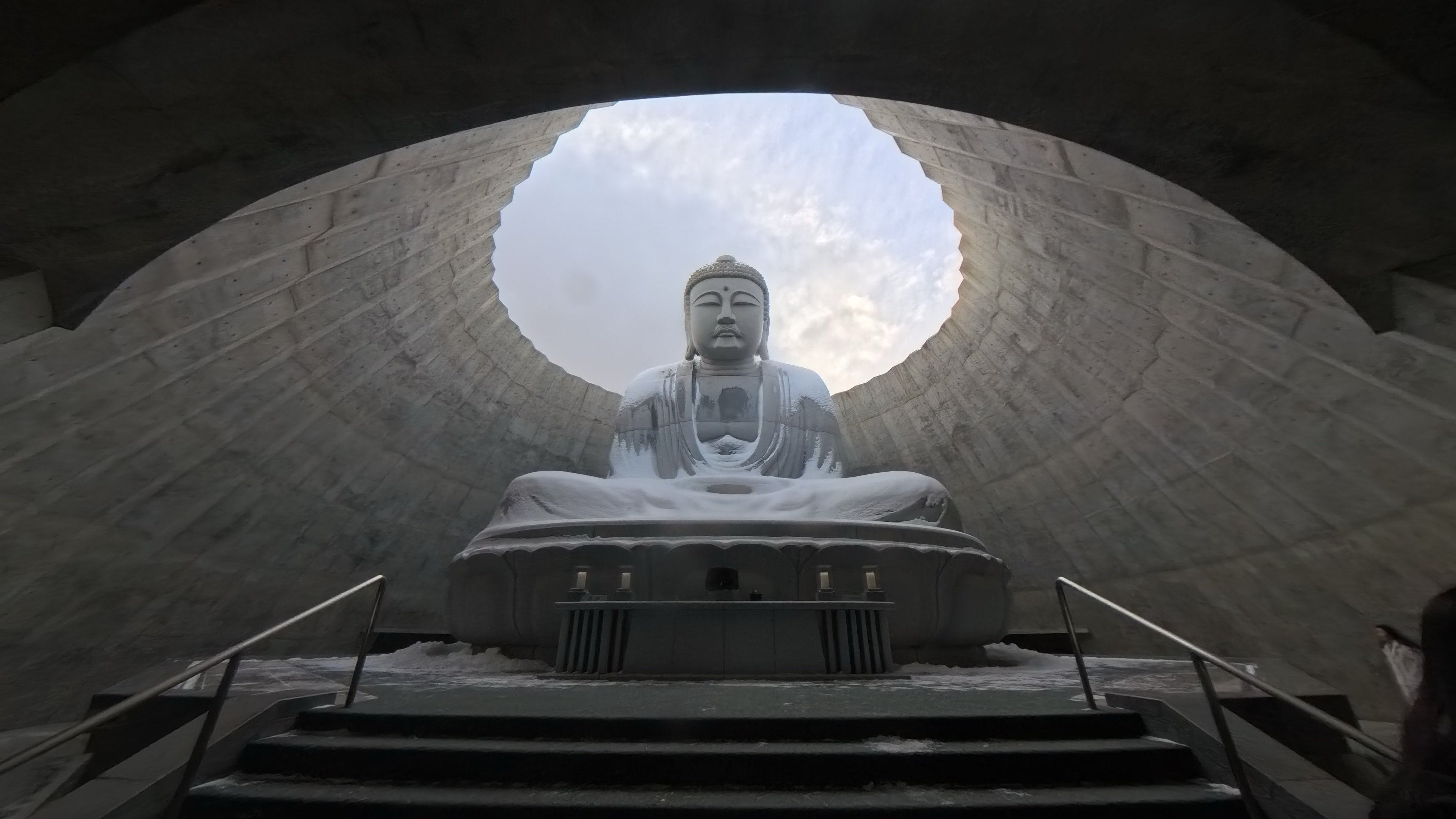
Takino Reien in Sapporo: How to Visit Japan’s Most Surreal Cemetery with Respect
Why Takino Reien Caught My Eye on Instagram You may have seen it while scrolling late at night.A massive Buddha’s head emerging quietly from a snow-covered hill, surrounded by silence and white space, with towering Moai statues standing nearby as if guarding the land. The image did not feel like a typical travel photo.It looked…
-

A Realistic One-Day Sapporo Itinerary: How to Enjoy Food, Snowy Art, and City Views Without Rushing
Why One Day in Sapporo Feels So Hard to Plan Sapporo often comes with a warning label. People say it is too spread out, too seasonal, or simply too big to enjoy in one day. If you have searched online, you have probably seen phrases like “you need at least three days” or “one day…
-
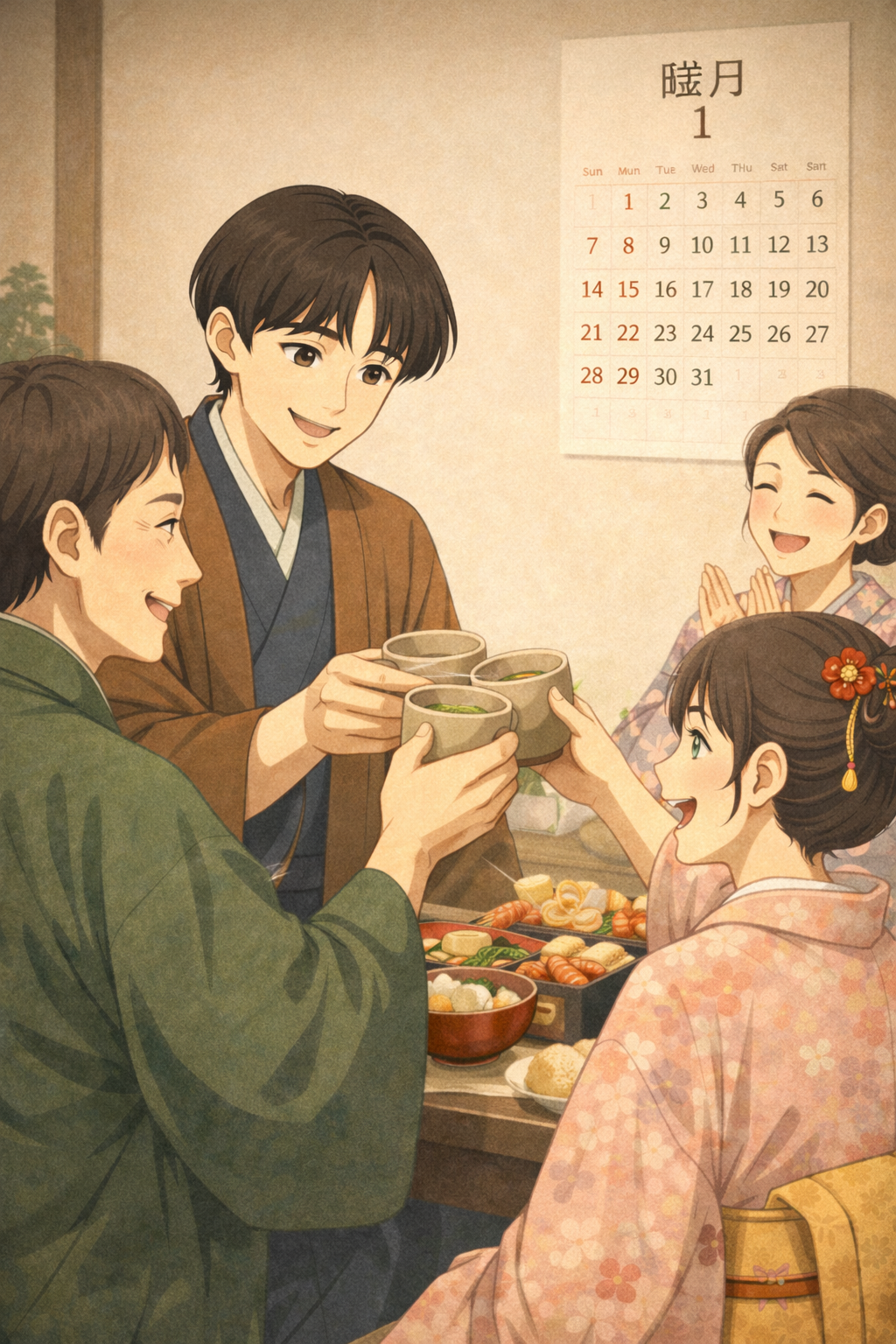
What Is “Mutsuki”? How January Is Understood and Lived in Japan
Why January in Japan Feels Different If you visit Japan in January, you may sense something unusual.The streets feel calmer than expected.People walk a little slower, speak more quietly, and often stay close to one another. You might think this feeling comes from winter weather.You may also wonder if January is simply not a good…
-

Why Do Japanese People Eat Mochi at New Year?
The History, Meaning, and Culture Behind Mochi When people see mochi pounding in Japan, it often looks lively, fun, and energetic. Wooden mallets swing down in rhythm, steam rises from freshly pounded rice, and everyone cheers together. But mochi is more than just a chewy rice cake. For Japanese people, especially during the New Year,…
-

Ozoni: Why Japanese People Eat This Soup for the New Year
When the New Year arrives in Japan, families across the country gather around the table to share a special dish called Ozoni.For many Japanese people, eating ozoni is not just about enjoying a warm bowl of soup—it is a quiet but meaningful way to welcome a new beginning. From a Japanese perspective, ozoni represents celebration,…