
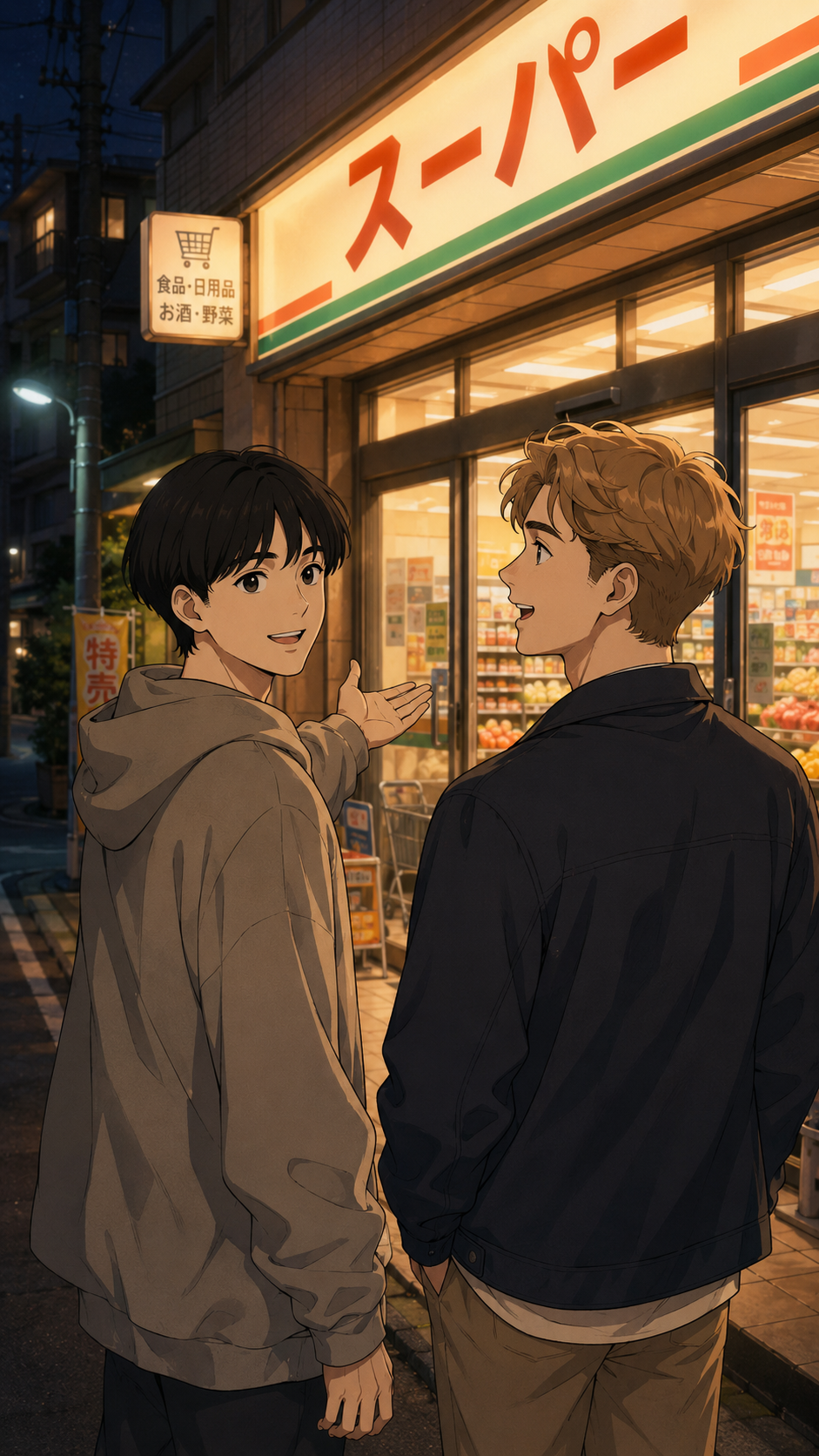
There’s a specific moment, right around dinnertime, when a quiet ritual begins in every Japanese supermarket. A staff member walks down the prepared-foods aisle with a handheld sticker gun, and one by one, the bento boxes, sashimi trays, and fried chicken containers get a small colored label. The prices drop. Regulars know exactly when to show up. Tourists, usually, have no idea this is happening at all.
That fifteen-minute window is one of the most honest windows into daily life in Japan you’ll find anywhere — and it costs nothing to watch, let alone participate in. This isn’t a hidden restaurant or a secret izakaya passed along by a local friend. It’s the supermarket down the street from wherever you’re staying, transformed after dark into something closer to a cultural experience than a shopping errand.
If you’ve already seen the shrines, ridden the bullet train, and eaten your way through a few conveyor-belt sushi counters, a neighborhood supermarket at night might be exactly the kind of detour that makes a return trip to Japan feel different from the first one.
Why Supermarkets Are One of the Most Underrated Travel Spots in Japan

Not Just Groceries
It’s easy to mentally file supermarkets under “errands” and skip them entirely on a trip. But a Japanese supermarket isn’t simply a place to restock water bottles — it’s a working cross-section of how a neighborhood actually eats, cooks, and lives. Walk the aisles and you’ll find regional specialties that never make it onto restaurant menus aimed at visitors, pickled vegetables specific to that prefecture, and seasonal fruit priced and displayed with a level of care that borders on ceremonial.
Everyday Japan
Convenience stores get most of the attention from first-time visitors because they’re everywhere and endlessly photogenic. But supermarkets show something convenience stores can’t: the actual rhythm of a household. You’ll see parents picking up dinner ingredients after work, elderly shoppers moving unhurried through the produce section, and the small negotiations everyone makes between what they want and what’s on sale that day. It’s ordinary. That’s exactly the point.
Better Value Than Convenience Stores in Many Cases
Convenience stores are built for speed and convenience — the name says it plainly. Supermarkets, especially their prepared-food sections, often beat them on both price and variety. A meal that might cost 600 yen at a convenience store can frequently be found for less at a supermarket, particularly if your timing lines up with the evening markdown cycle.
Why They Get Better at Night
Discount Stickers
Japanese supermarkets generally don’t hold prepared food overnight, which means everything made that day needs to sell that day. Rather than throwing away unsold bento, sushi, and hot food, stores apply discount stickers in stages as closing time approaches — often starting around 30% off and increasing as the evening goes on.
Fresh-Made Meals Become Accessible
This isn’t leftover food or day-old inventory. It’s the same freshly prepared sashimi, karaage, and rice bowls made that morning or afternoon, now priced to move before the store closes. For travelers watching their budget without wanting to sacrifice quality, this is one of the best-kept practical secrets in the country.
Better Chance to Try More for Less
Because the discounts stack up on multiple items at once, evening visits are a low-risk way to sample dishes you might otherwise skip at full price. Curious about a regional fish you don’t recognize, or a type of tempura you’ve never tried? At a discount, it’s a much easier yes.
What to Look For

Bento
Japan’s bento culture goes far beyond the standard boxed lunch. Evening bento sections often carry regional variations, seasonal ingredients, and combinations that shift throughout the year — a genuinely useful lens into what’s currently in season.
Sashimi
Supermarket sashimi is far more reliable than its reputation among first-time visitors suggests, thanks to Japan’s strict food-handling and cold-chain standards. At a discount, it’s an easy, low-commitment way to try cuts you might hesitate to order at a restaurant.
Fried Foods
Karaage (fried chicken), croquettes, and tempura are supermarket staples, usually made fresh in-house throughout the day. They hold up well even after cooling slightly, making them a dependable pick for a hotel room dinner or a train-platform snack.
Regional Items
Every prefecture has ingredients, snacks, and prepared dishes tied specifically to that region. A supermarket in Kagoshima looks meaningfully different from one in Hokkaido, and paying attention to what’s stocked locally is a quiet way to understand where you actually are.
Seasonal Specials
Japan’s retail culture tracks the calendar closely — sakura-themed sweets in spring, cooling noodle sets in summer, chestnut and sweet potato dishes in autumn. Supermarket shelves shift with the seasons in a way that’s easy to notice once you know to look for it.
How to Read Discount Stickers

Common Phrases
A few recurring terms are worth recognizing on sight. “半額” (hangaku) means half price. Percentage discounts like “30%引き” or “20%OFF” are common as well, and many stores use color-coded stickers, with the color indicating the discount tier rather than the product type.
Time-Based Markdown Logic
Discounts typically appear in waves rather than all at once. An early markdown might land a few hours before closing, with a deeper discount following closer to the end of the business day. Learning a particular store’s rhythm over a few visits can turn window-shopping into genuinely good timing.
Don’t Assume Every Store Follows the Same Rhythm
Markdown schedules vary by chain, by individual store, and even by day of the week. A supermarket in a business district may discount earlier to clear stock before a quiet evening, while one in a residential area may hold off until closer to closing time when local shoppers arrive after work. There’s no single national rule — part of the fun is learning the pattern of whichever neighborhood you’re staying in.
Supermarket Etiquette in Japan
Don’t Block Narrow Aisles
Japanese supermarket aisles are often noticeably tighter than what many international visitors are used to. Stepping to the side to check your phone or compare products, rather than pausing directly in the aisle’s path, keeps the flow moving for everyone.
Don’t Open Food Before Paying
This should go without saying, but it’s worth stating plainly: food is not sampled or opened before it’s purchased, even prepared items that look ready to eat immediately. Wait until you’re outside or in a designated eating area.
Basket and Self-Checkout Manners
Baskets are typically returned to a stacking area near the checkout, not left on the floor or a shelf. At self-checkout stations, moving efficiently once it’s your turn — bagging to the side rather than at the register itself — keeps the line comfortable for the people behind you.
Why This Is Also a Cultural Experience
What Locals Actually Eat
Restaurant menus curated for visitors, however excellent, are still a curated version of Japan. A supermarket shows you the unfiltered version: what a working parent grabs on a Tuesday, what a college student buys on a budget, what an older shopper still prepares from scratch every evening.
Seasonality
Japan’s relationship with the calendar runs deeper than cherry blossoms and autumn leaves — it shows up in something as ordinary as which fish is on sale that week. Watching this play out in real time, aisle by aisle, teaches something that no seasonal guidebook chapter quite captures on its own.
Price Awareness
Prices, and how people respond to them, say a great deal about a place. Watching a shopper wait patiently near the discount cart, sticker gun in hand, at the same time every evening reveals something honest about daily life that a curated tourist experience rarely shows.
Quiet Observation of Daily Life
There’s no performance here — no one is shopping for an audience. That quiet, unremarkable ordinariness is precisely what makes it worth paying attention to. It’s one of the few travel experiences that asks nothing of you except to notice.

Best Traveler Use Cases
Picnic Dinner
A few discounted items from the prepared-foods section, paired with a park bench or a riverside spot, make for one of the most relaxed and inexpensive dinners available anywhere in Japan.
Long Day Back at Hotel
After a full day of walking, a supermarket run on the way back can replace an expensive room-service order or a rushed convenience-store meal with something considerably better, for less.
Train Snacks
Onigiri, small fried items, and sealed snacks travel well and hold up for a few hours, making the supermarket a smart stop before a long train ride, especially compared to station kiosk prices.
Budget-Friendly Breakfast
Many supermarkets stock fresh bread, fruit, and yogurt at reasonable prices, offering a lighter and often cheaper alternative to a hotel breakfast buffet — and one more chance to see the store during its quieter morning rhythm.


Leave a Reply